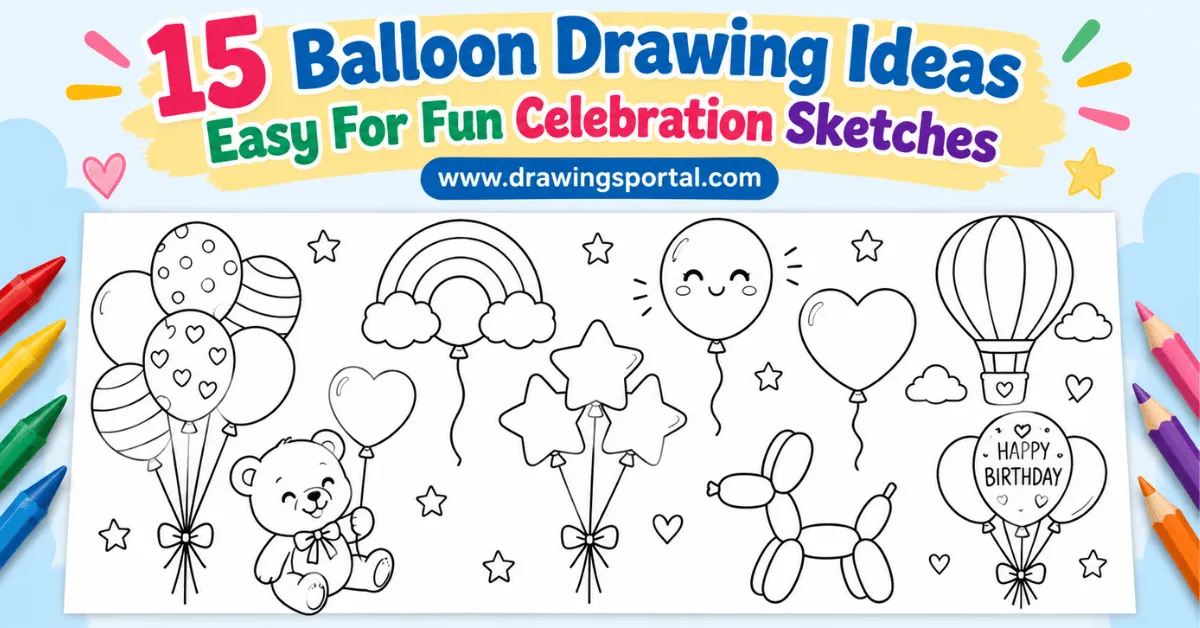
Balloon Drawing Ideas are a fun way to practice smooth curves, simple shapes, strings, highlights, and creative compositions without needing advanced art skills. These cheerful subjects work especially well for beginners because you can start with a basic oval and gradually add knots, ribbons, patterns, expressions, or light pencil shading.
From a single floating outline to birthday clusters, cute characters, realistic pencil studies, and imaginative scenes, the ideas below offer a mix of simple and more detailed projects. Kids can begin with clean line art, while older beginners can experiment with depth, reflections, overlapping forms, and decorative details.
15 Balloon Drawing Ideas to Try for Simple and Creative Art
Whether you enjoy quick outlines, cute characters, pencil shading, or playful party scenes, these ideas provide different ways to practice while keeping each project approachable. Start with basic rounded forms and flowing strings, then gradually explore patterns, facial expressions, highlights, overlapping objects, and more detailed compositions.
The collection moves from easy outlines and simple sketches to creative party artwork and pencil studies. Each concept can be adapted for a sketchbook, birthday card, classroom activity, journal page, handmade invitation, or relaxing drawing session.
1. Simple Floating Outline
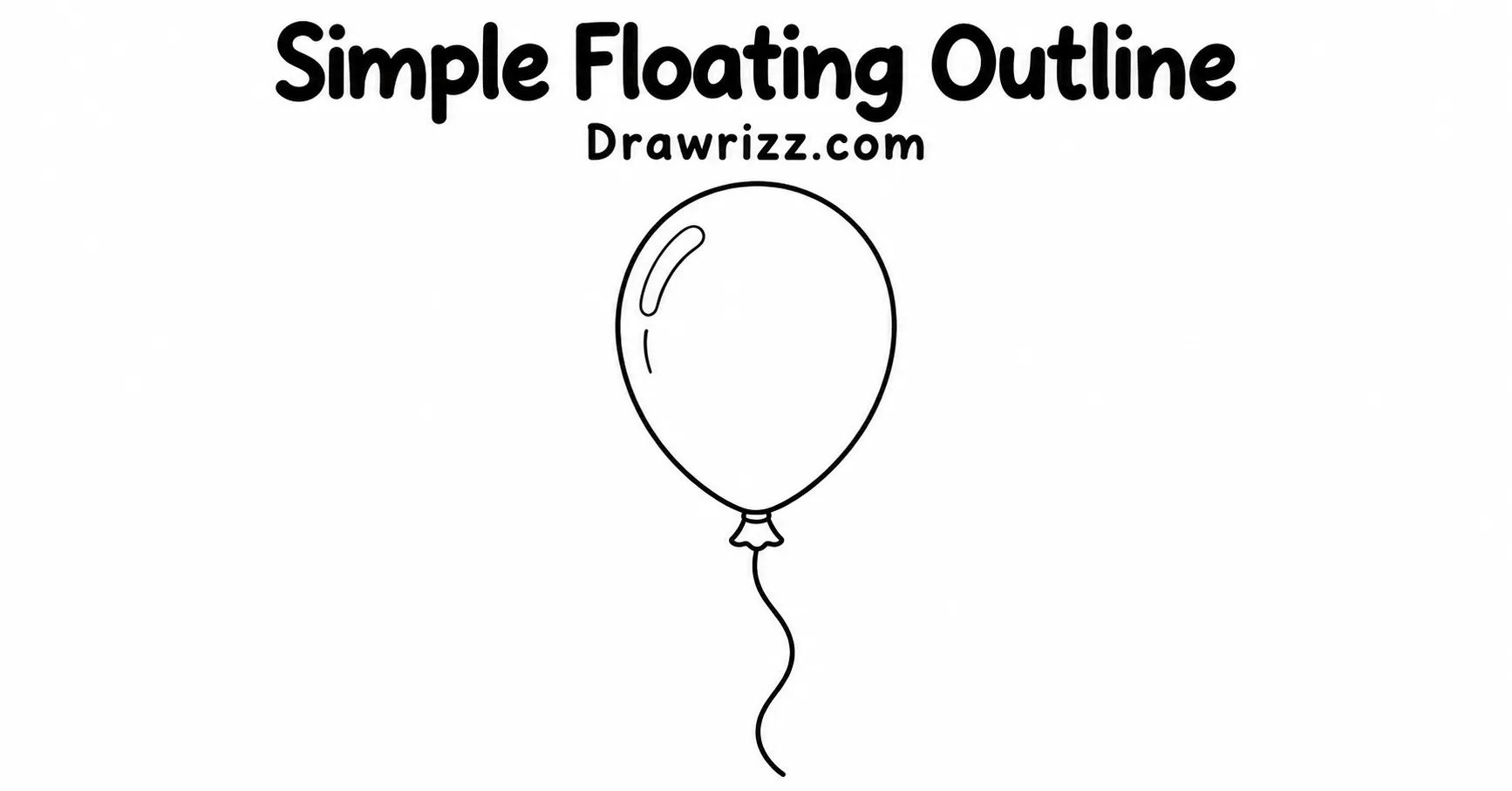
Start with one smooth oval that narrows gently near the bottom. Add a tiny tied knot and let a loose curved string flow underneath. Keep the interior mostly blank so the focus stays on achieving a clean, balanced shape.
This is one of the easiest options for young artists because there are very few details to manage. Once the basic form looks right, a tiny highlight can be added near one side for extra dimension.
2. Easy Three-Piece Bunch
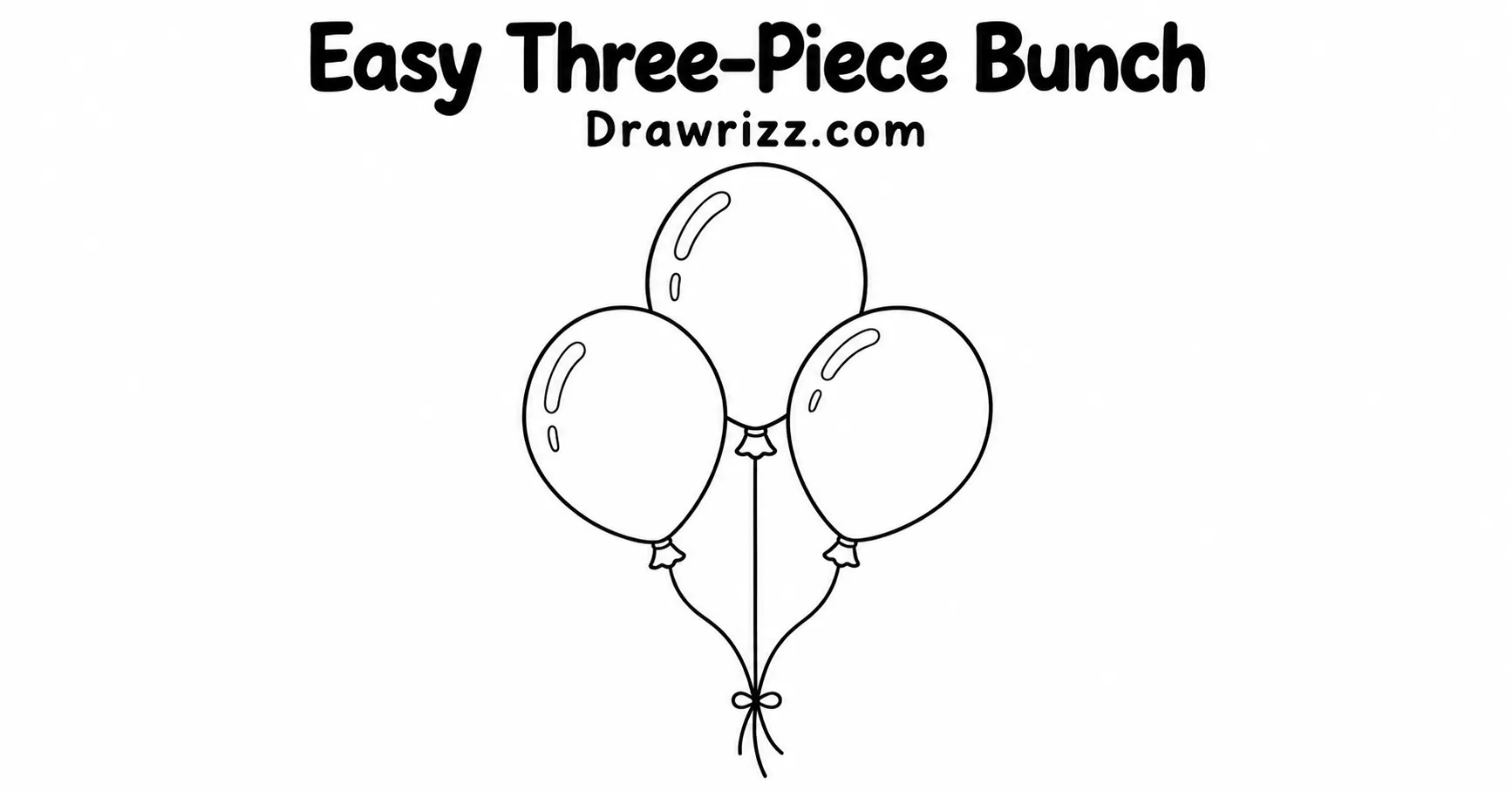
Draw three rounded forms at slightly different heights and allow two of them to overlap gently. Bring their strings together near the bottom to create a neat little bunch.
Varying the height and size of each piece prevents the composition from looking too stiff. It is also a simple introduction to overlapping objects and creating depth without complicated shading.
3. Cute Smiling Character
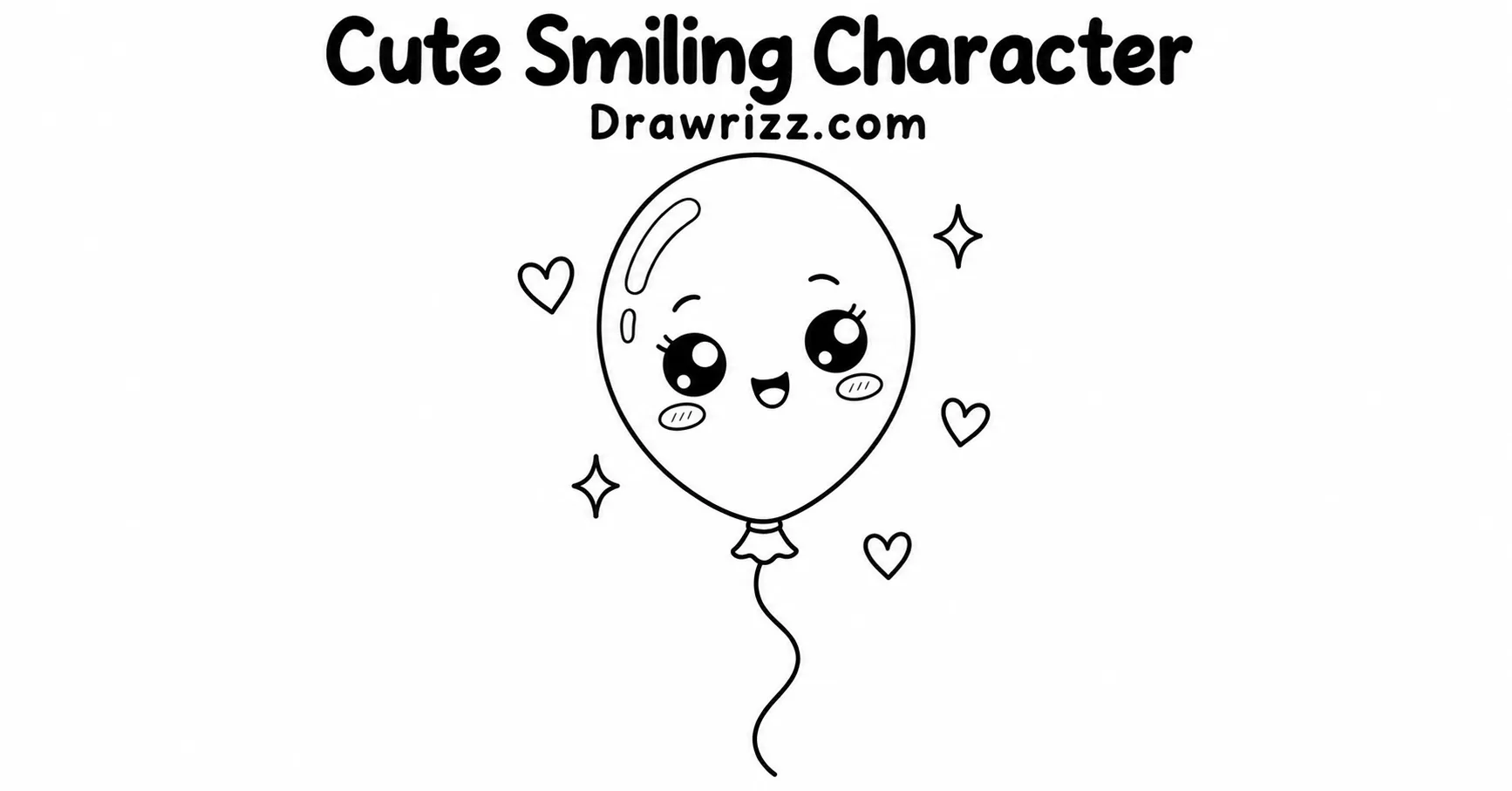
Turn a basic rounded form into an adorable character by adding two expressive eyes, a tiny curved smile, and small cheek marks. A few miniature hearts or sparkles around the subject can make the scene even sweeter.
Keep the facial features simple rather than highly detailed. This makes the project particularly suitable for children who enjoy kawaii-style artwork and cartoon characters.
4. Classic Oval Sketch
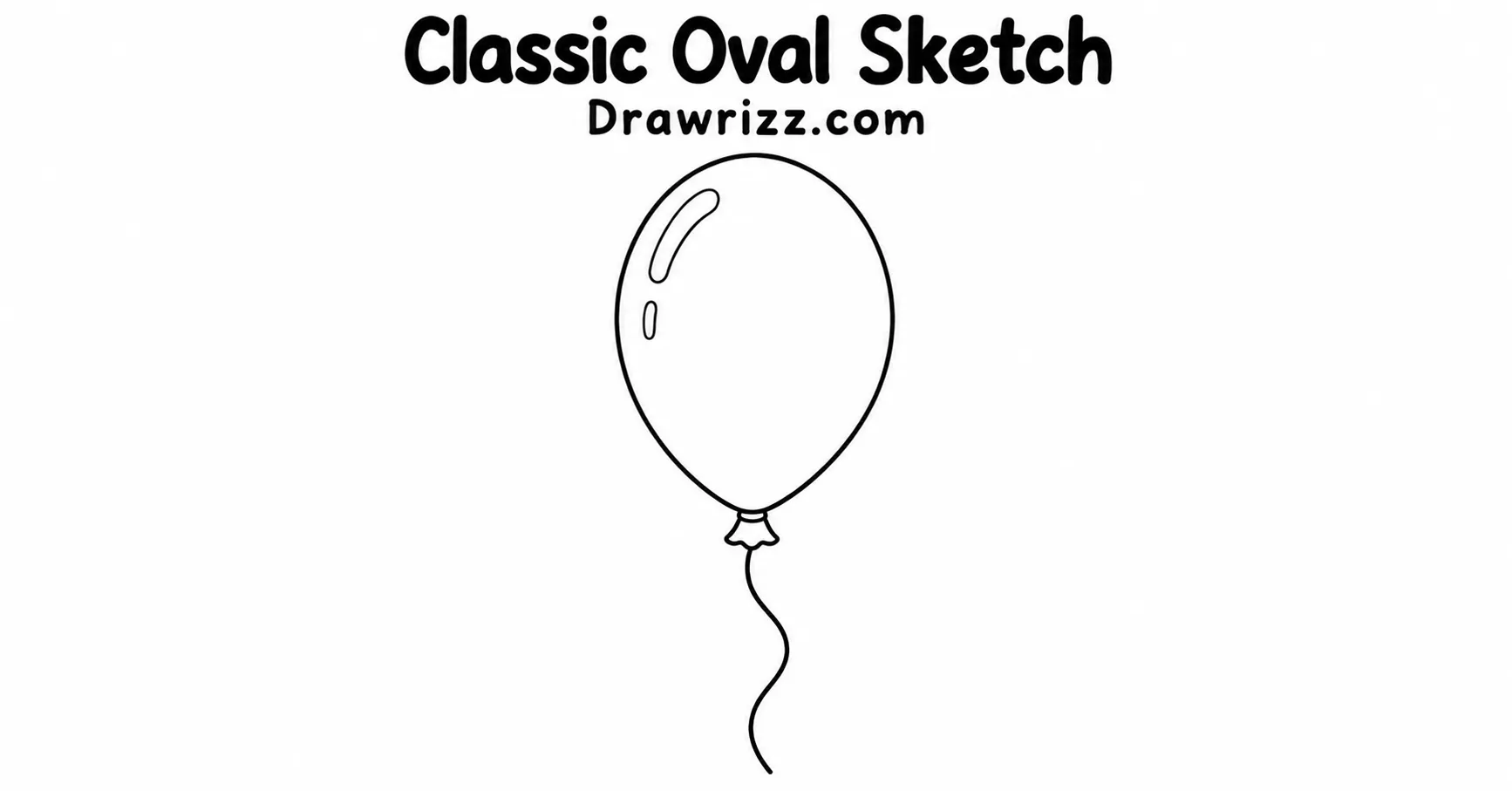
Practice a traditional shape using one carefully drawn oval with a slightly tapered bottom. Add a small knot, a thin string, and one curved highlight along the upper side.
The goal here is symmetry rather than decoration. Drawing the same basic form several times can help improve pencil control and make future party illustrations easier to create.
5. Heart-Shaped Party Sketch
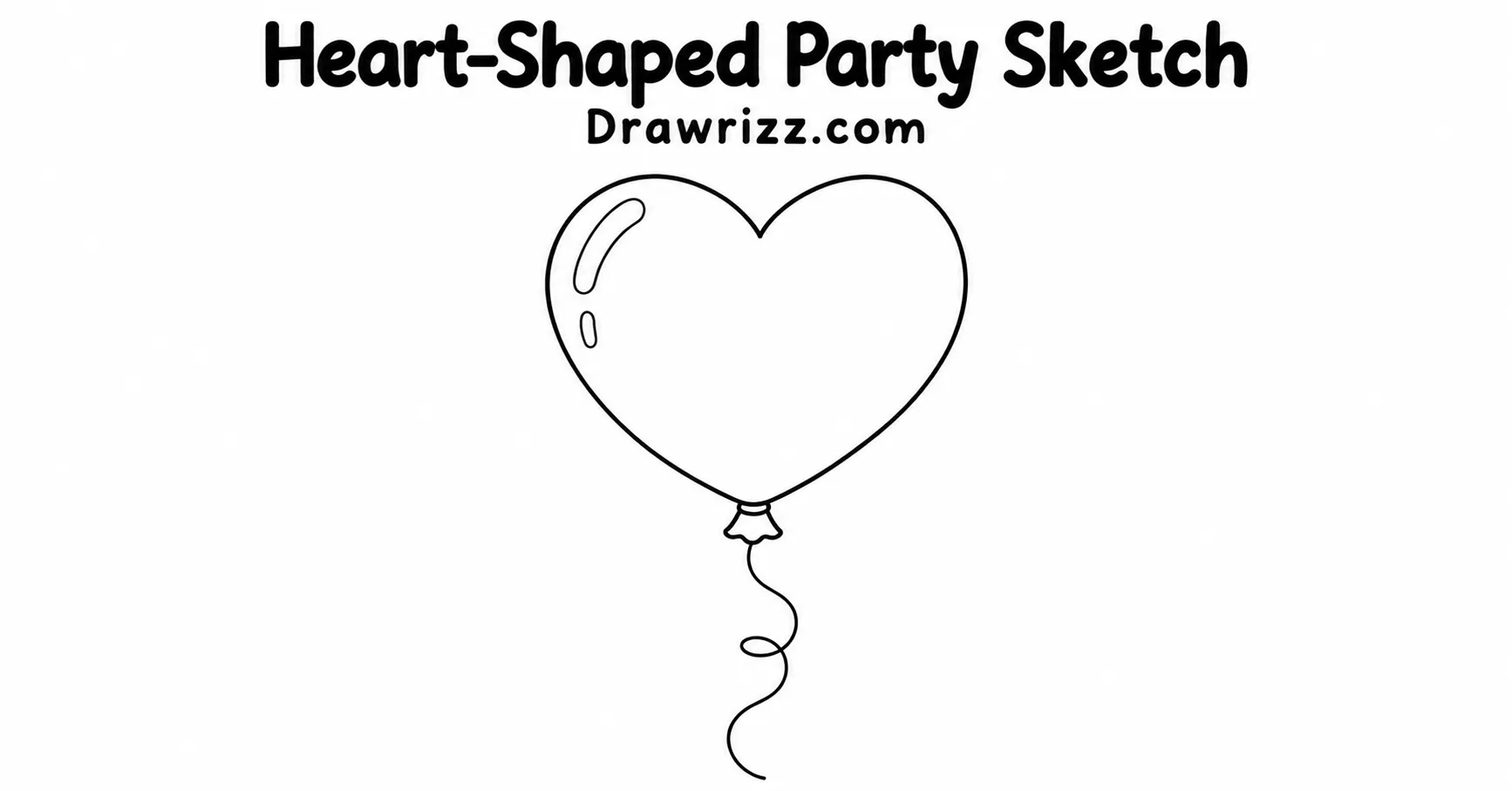
Replace the traditional oval with a large symmetrical heart. Narrow the lower point slightly before adding a tiny knot and a graceful curling ribbon underneath.
This version works nicely for Valentine cards, anniversary illustrations, friendship art, and cute journal pages. A small reflective mark can also make the heart appear slightly inflated rather than completely flat.
6. Star-Shaped Celebration Design
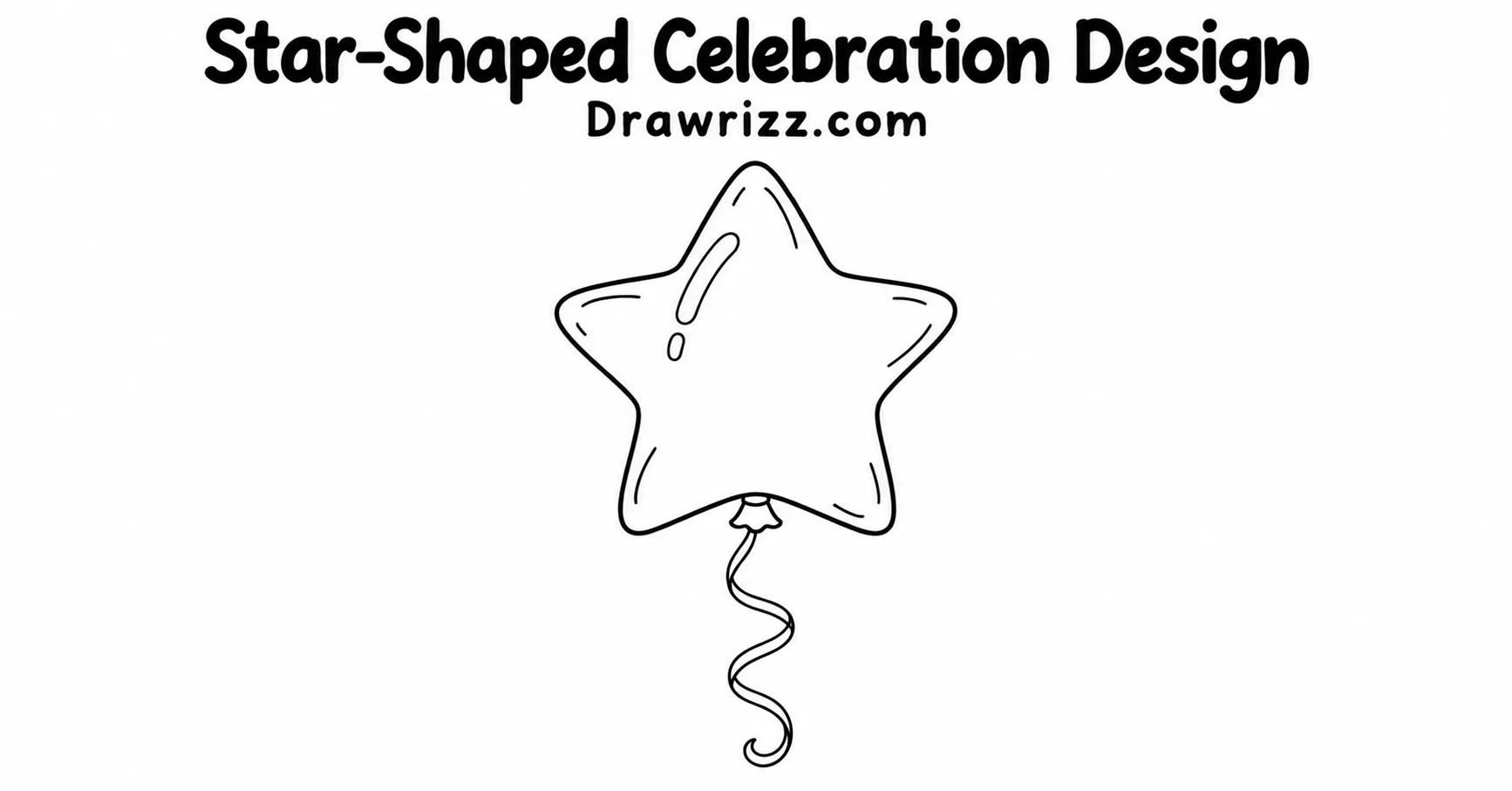
Try a five-pointed star for a more decorative variation. Slightly round each point rather than making the corners completely sharp, helping the object look soft and inflated.
Add a small knot and curling ribbon underneath. The finished design can work particularly well for birthday, graduation, achievement, or celebration-themed artwork.
7. Pencil Shading Study
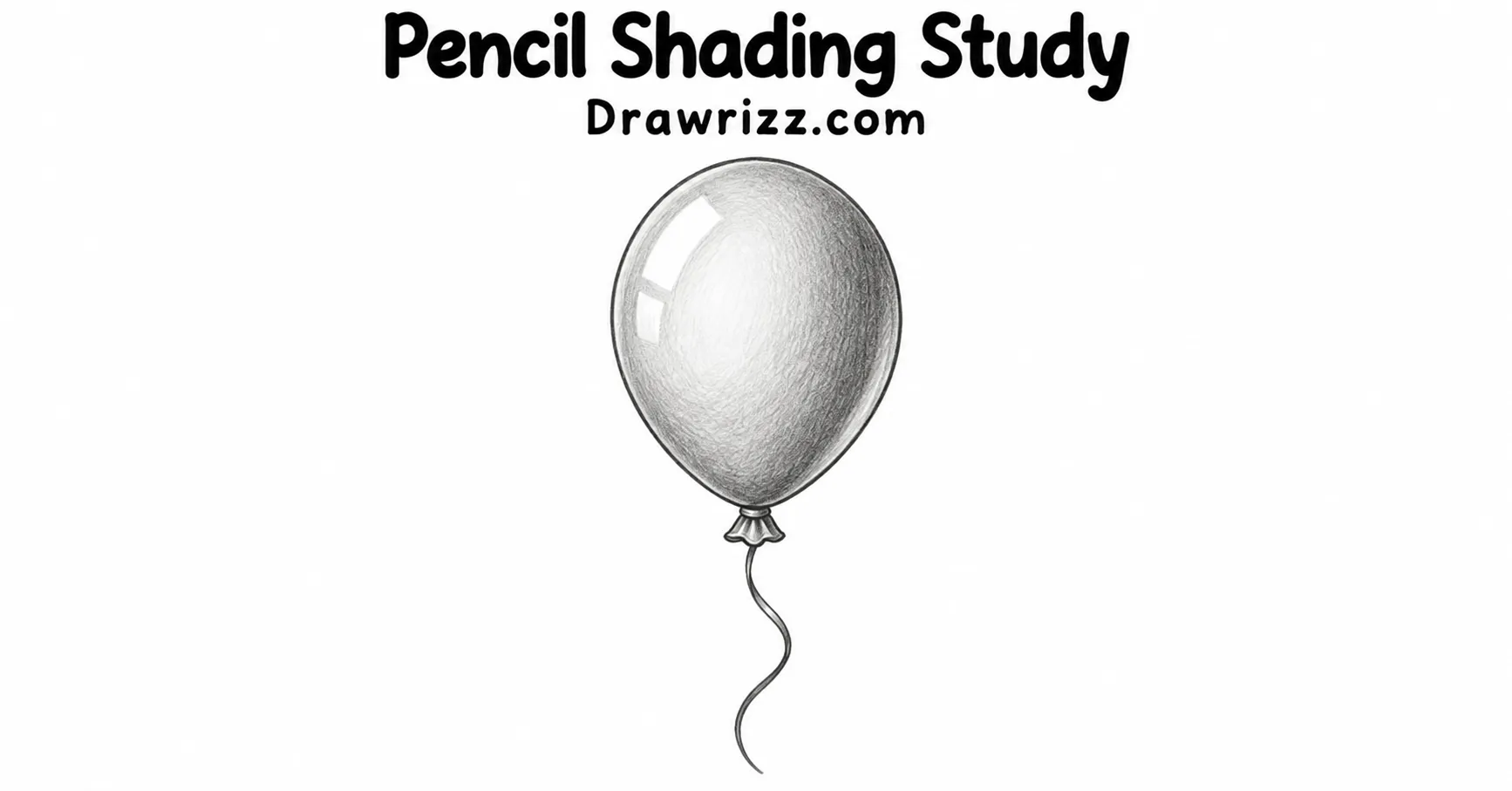
For a more artistic exercise, begin with a lightly drawn oval and gradually darken one side using soft graphite. Keep the opposite side lighter and preserve a small white highlight to suggest a glossy surface.
Avoid making every section equally dark. A gradual transition from shadow to light gives the rounded form more volume and introduces beginners to basic three-dimensional shading.
8. Birthday Party Cluster
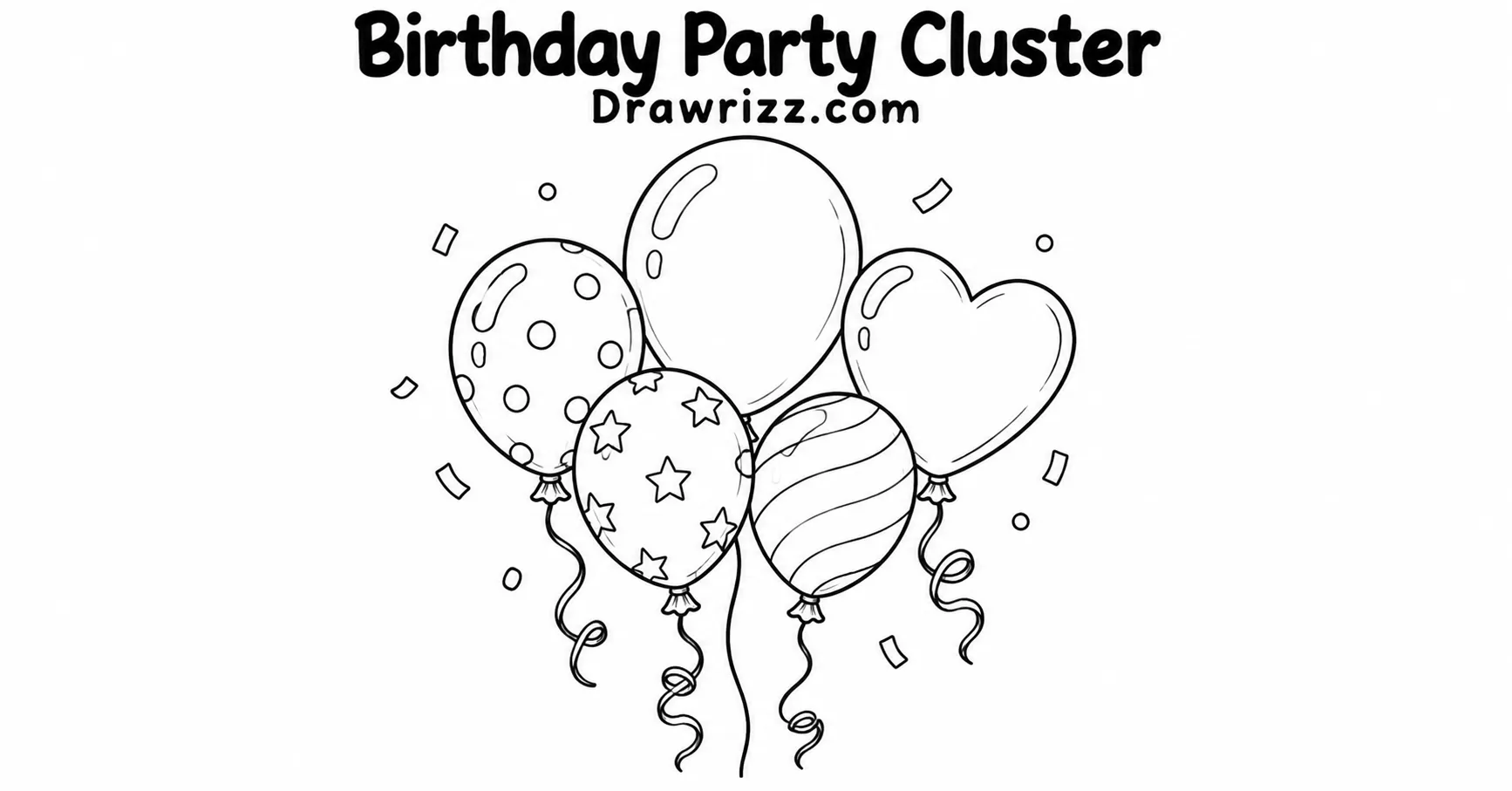
Arrange five rounded forms at different heights to build a fuller celebration scene. Let a few edges overlap and use curling ribbons beneath them to make the composition feel lively.
A handful of tiny confetti marks can fill empty areas without overwhelming the artwork. Changing the size and angle of each form will make the group appear more natural.
9. Decorative Pattern Design
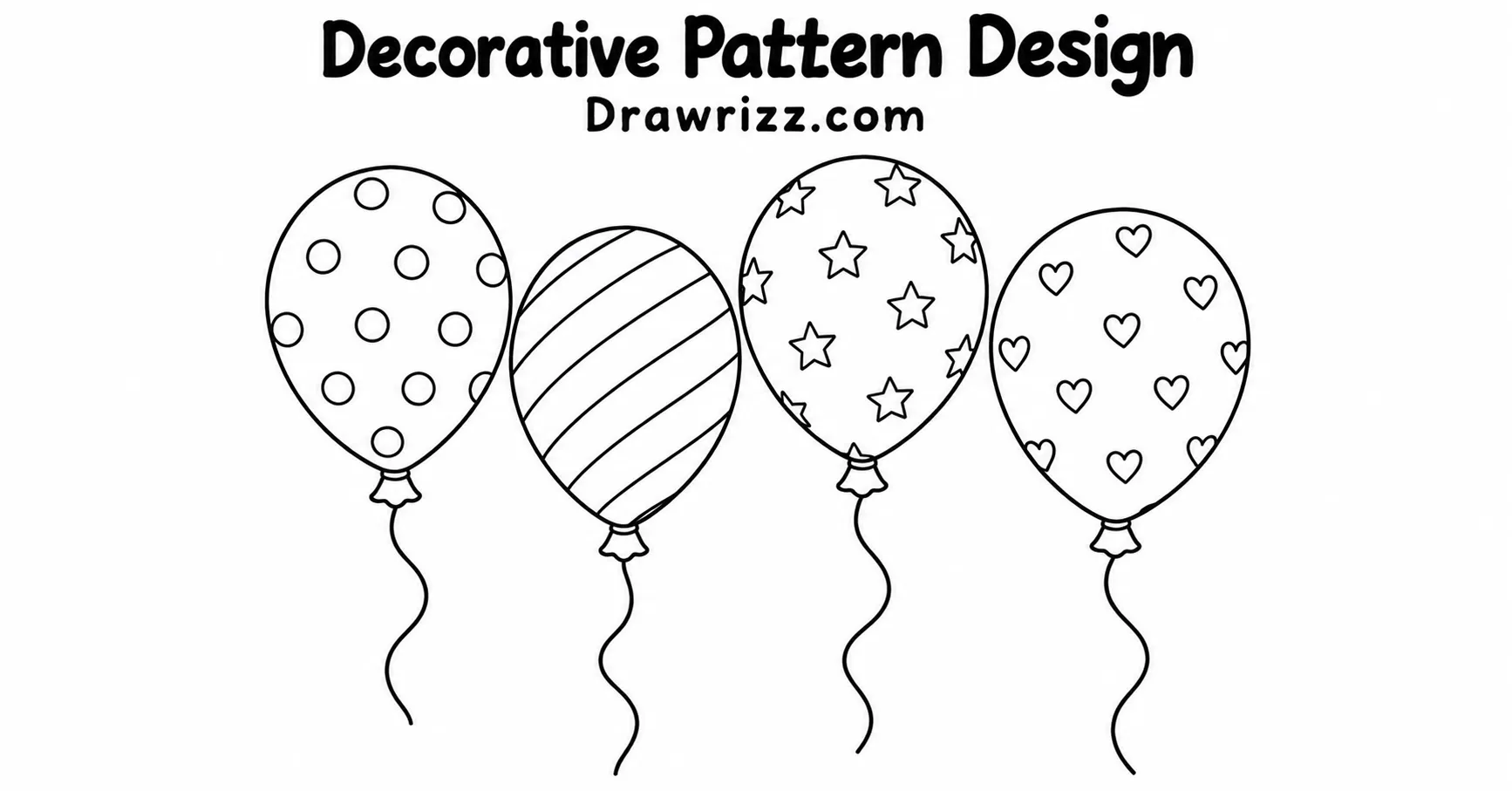
Create several simple outlines and fill each one with a different pattern instead of realistic shading. Try polka dots, stripes, tiny stars, hearts, or simple zigzags.
Patterned versions are useful for children because there is no single correct way to decorate them. They can experiment with repeated marks while practicing spacing and line control.
10. Realistic Reflective Sketch
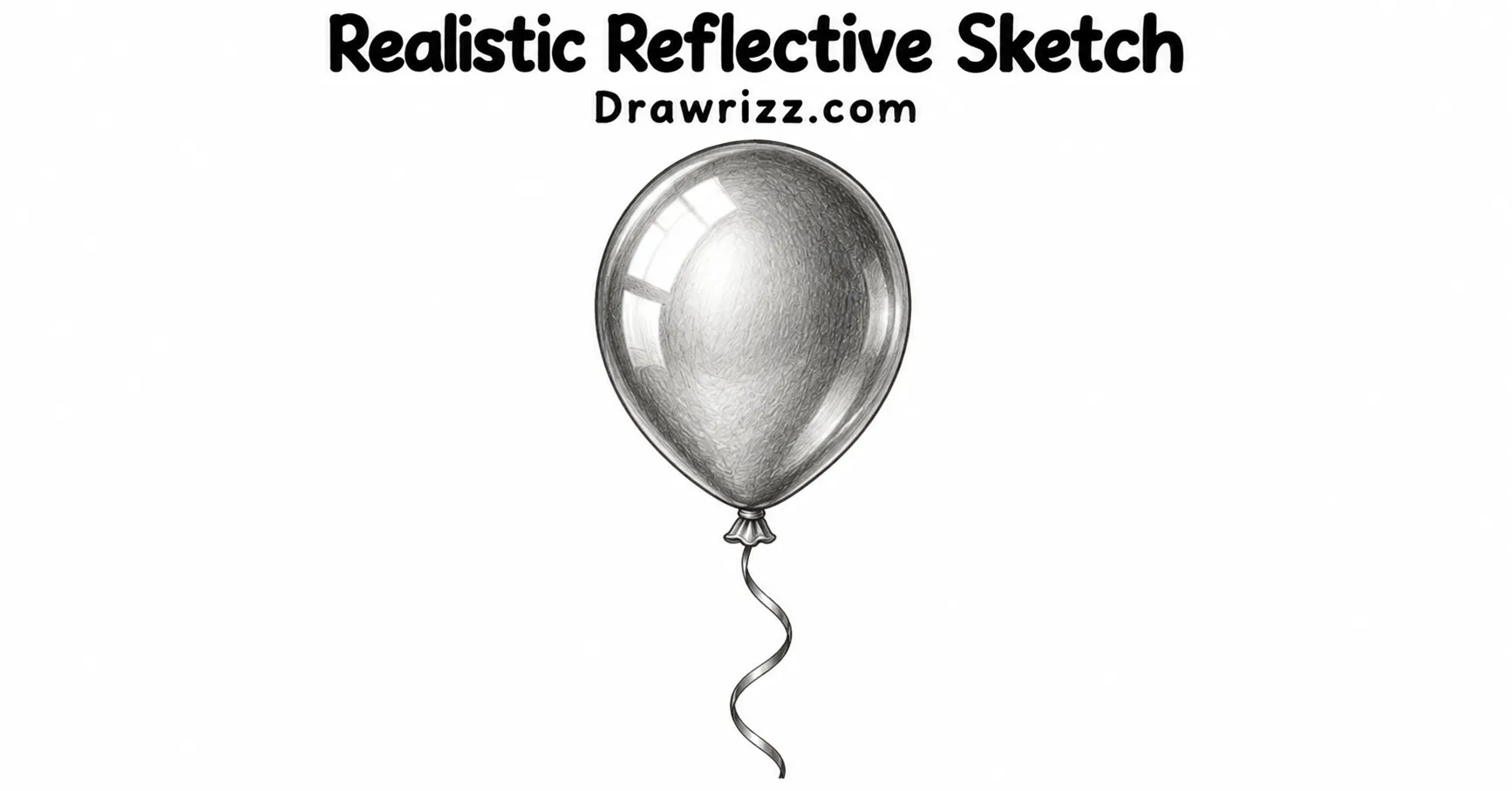
Take the shading exercise further by concentrating on light and volume. Use darker graphite near selected outer edges, smooth midtones across the rounded surface, and a bright highlight where the imaginary light source hits.
A soft cast shadow is unnecessary for a floating object, so keep the surrounding page clean. The contrast between the dark edge and bright reflection should create most of the three-dimensional effect.
11. Teddy Bear Holding a String
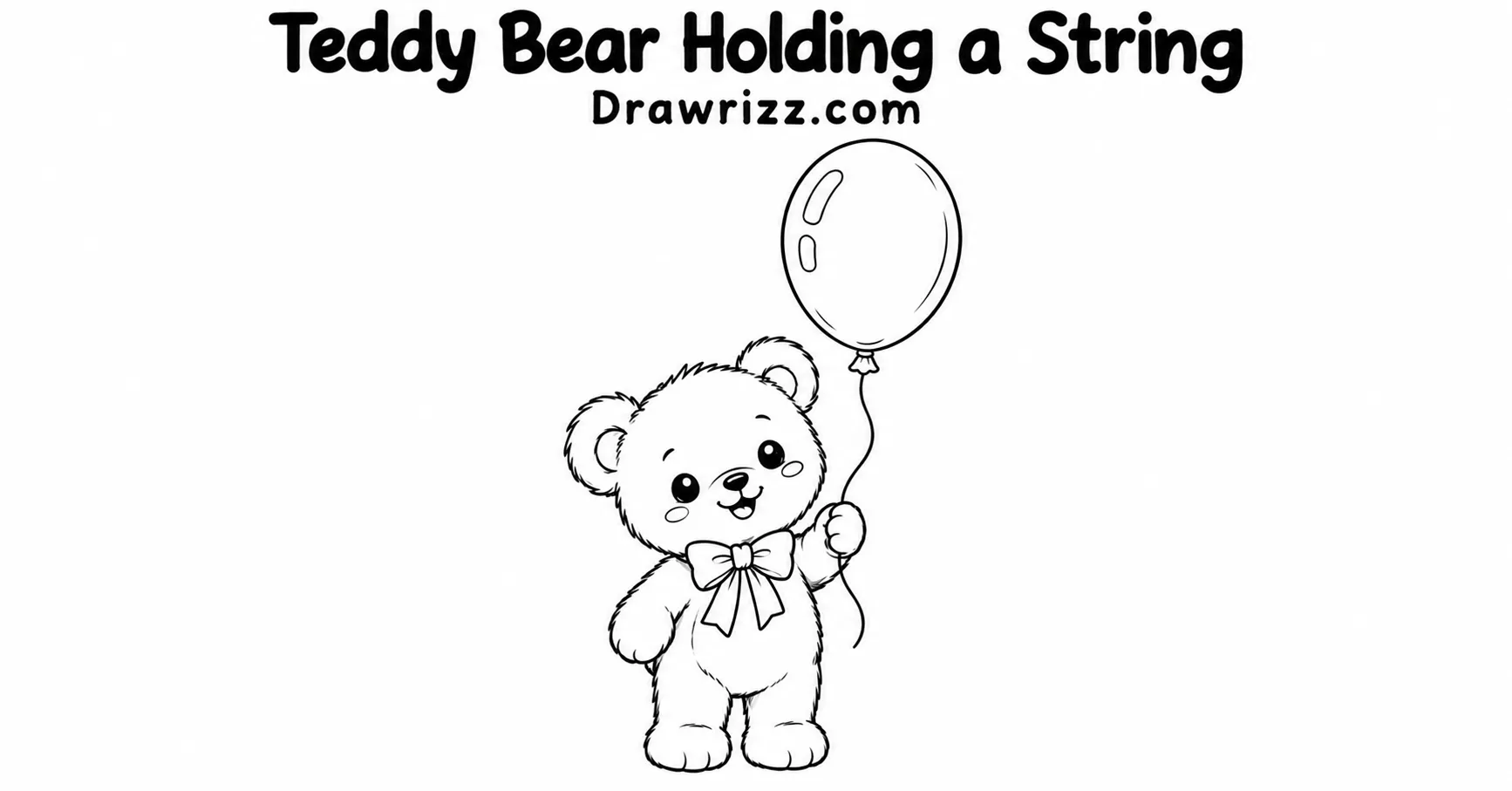
Draw a small teddy bear standing upright with one paw raised. Place a long curved string in its paw and connect it to a simple floating oval above.
Build the bear from circles and rounded shapes so the character remains easy to recreate. A tiny smile and simple facial details are enough to give the illustration a friendly storybook appearance.
12. Gift Box Celebration Scene
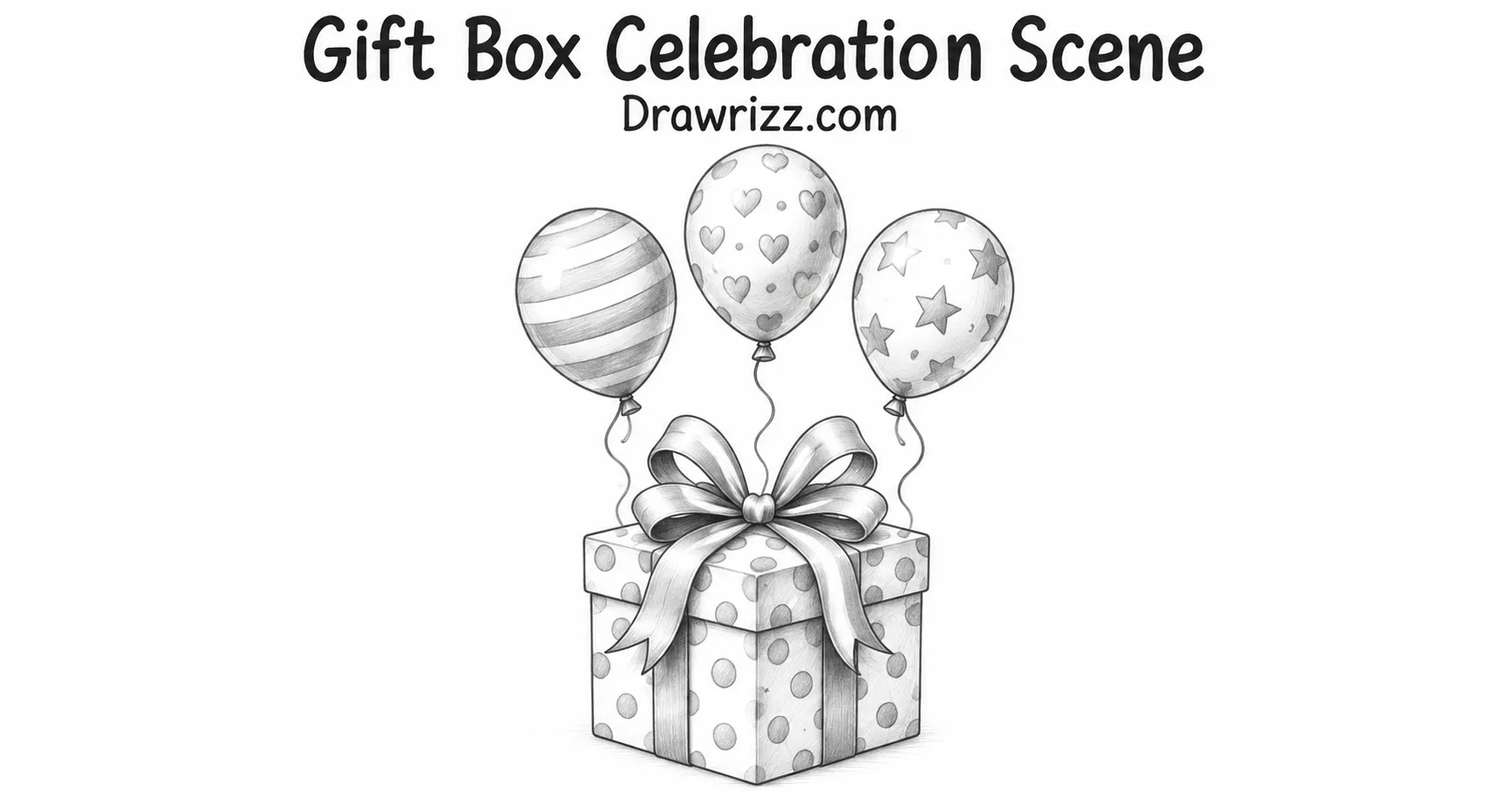
Place a wrapped present near the bottom of the composition and draw three long strings rising behind it. Connect them to a small floating bunch above the box.
A large bow introduces another easy object made from basic curves and loops. This scene can be adapted for handmade birthday cards, party illustrations, or children’s coloring activities.
13. Floating House Adventure
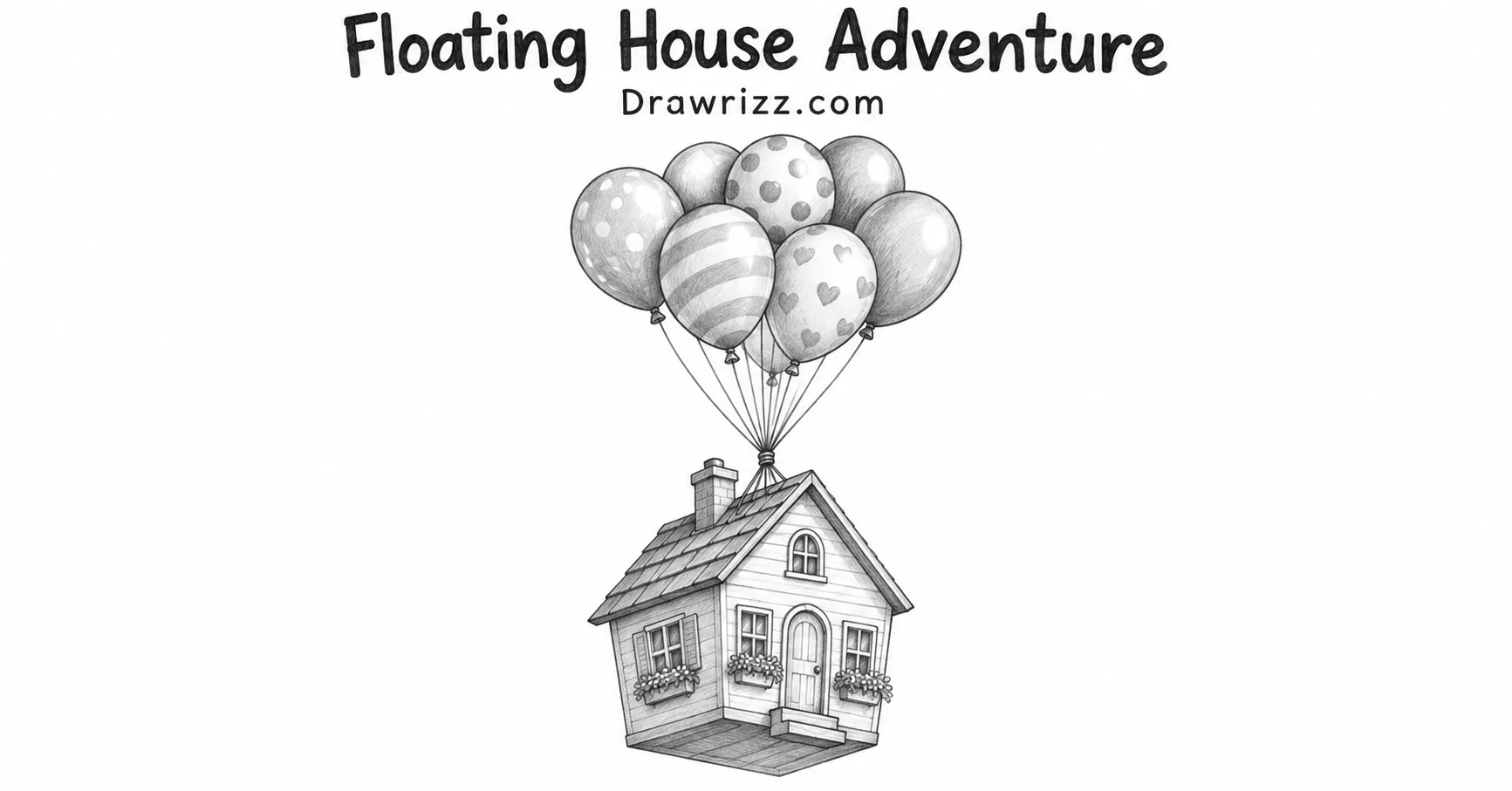
Create a tiny cottage using a square body, triangular roof, door, and two small windows. From the roof, draw a bundle of long strings leading upward to several rounded floating forms.
The concept adds storytelling without requiring difficult techniques. Keeping the house small and the upper group larger also helps create a charming sense of movement and adventure.
14. Hot Air Adventure
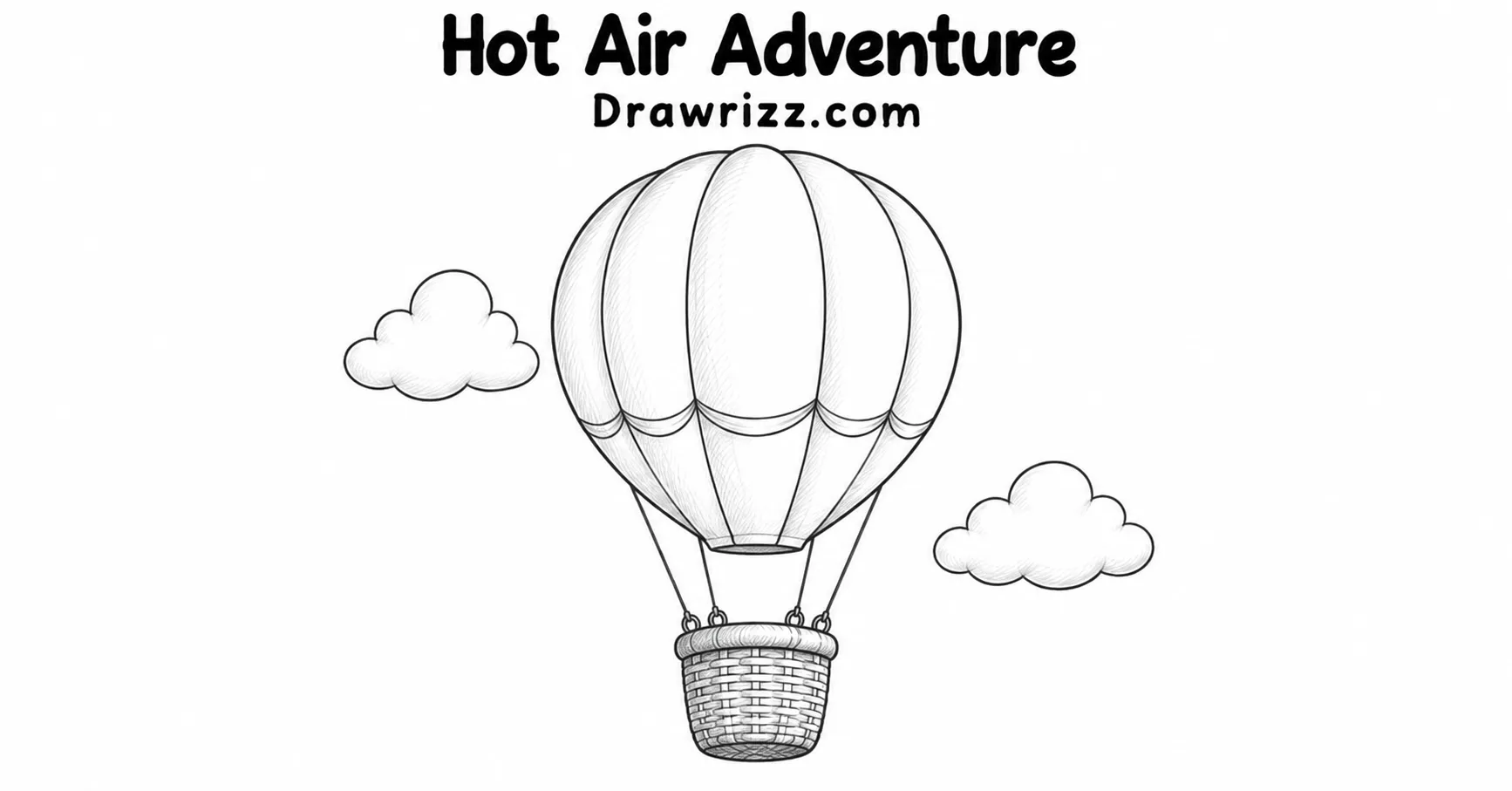
Begin with a large rounded canopy and divide it into several curved vertical sections. Connect the lower part to a small woven basket using straight ropes.
Add two or three simple outlined clouds in the background to establish the sky. The large symmetrical form provides good practice for curves, proportion, and basic decorative details.
15. Child Holding a Party Bunch
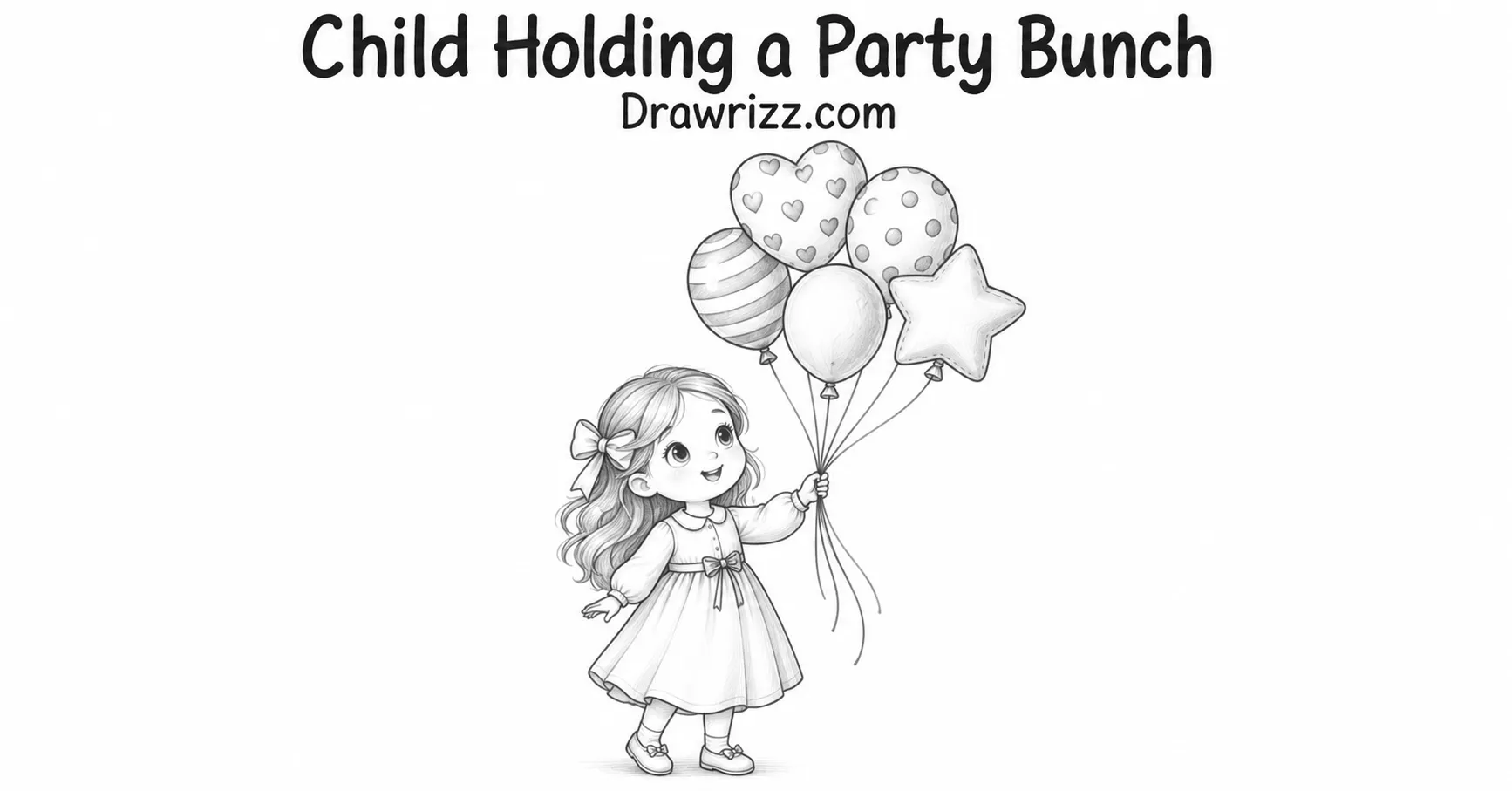
Finish with a simple storytelling scene. Draw a cartoon child standing in profile with one arm raised and several strings gathered in the hand. Let the strings spread upward toward a group of floating shapes at different heights.
Keep clothing and facial features minimal so the composition remains beginner-friendly. Slight variations in the size and position of the upper forms will create movement without requiring complicated perspective.
Easy Tips for Better Party Sketches
Begin with very light pencil strokes rather than pressing hard immediately. This makes it easier to adjust uneven curves before committing to the final outline. For rounded subjects, avoid drawing a perfect circle every time; gently narrowing the lower portion toward the knot usually creates a more natural silhouette.
When creating a bunch, vary the height, size, angle, and string direction instead of repeating the exact same form. Slight overlaps can establish depth without requiring complex perspective.
Highlights can also make simple artwork more convincing. Leave a small white curved area near the upper side and place slightly darker shading toward the opposite edge. For children’s drawings, however, clean outlines alone are often enough.
Decorative elements should remain secondary. A few stars, hearts, ribbons, clouds, or confetti marks can strengthen the theme, but leaving generous white space keeps the artwork easy to understand and prevents the page from becoming cluttered.
Conclusion
These Balloon Drawing Ideas provide 15 approachable ways to explore simple outlines, cute characters, party scenes, decorative patterns, and more detailed pencil techniques. Beginners can start with basic shapes and clean linework before gradually experimenting with overlapping forms, reflections, shading, and imaginative compositions.
1 thought on “15 Balloon Drawing Ideas Easy For Fun Celebration Sketches”