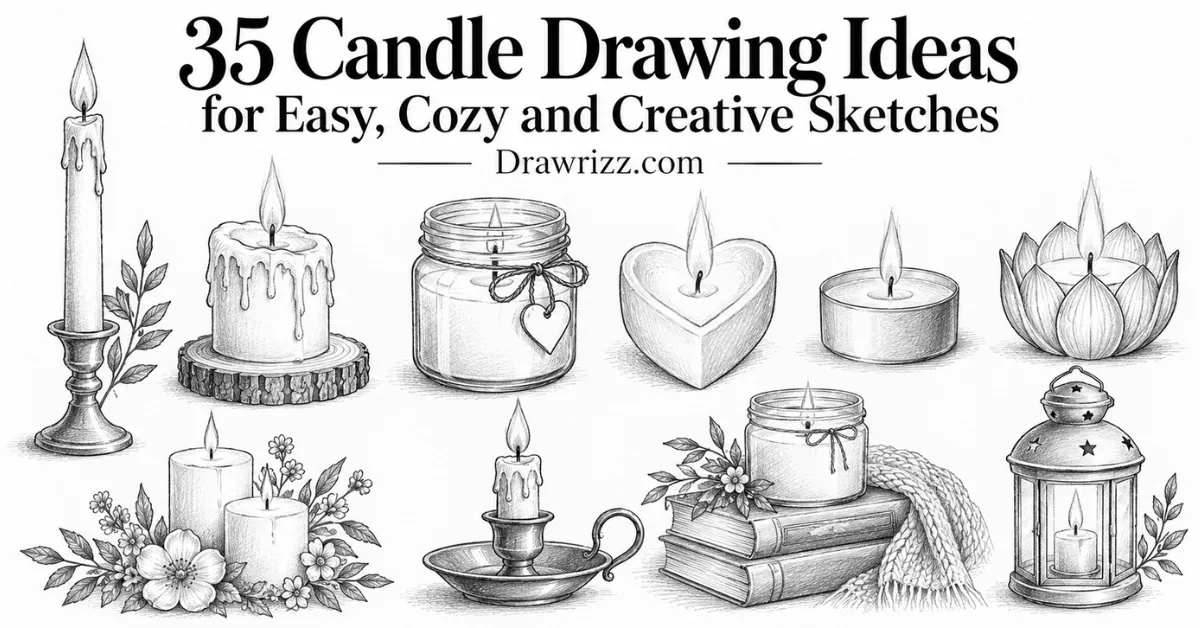
Candle Drawing Ideas can turn a few simple lines into warm, expressive artwork that works beautifully in sketchbooks, journals, seasonal pages, and relaxing art practice. From a tiny flame above a basic wax shape to detailed holders, dripping textures, flowers, books, and magical scenes, there are plenty of directions to explore without needing advanced skills.
This collection moves from simple beginner subjects toward more decorative and atmospheric concepts. Try them with graphite, fineliners, charcoal, or your favorite drawing tools, and change the shapes or surrounding details to make each sketch feel personal.
Candle Drawing Ideas for Beginners and Aesthetic Sketches
The best way to explore this subject is to vary the silhouette, flame, wax texture, holder, and surrounding objects. A plain cylinder can become romantic, spooky, festive, vintage, or whimsical with only a few thoughtful details. The following concepts offer a mix of easy outlines, cute characters, realistic studies, and decorative compositions.
1. Simple Burning Taper
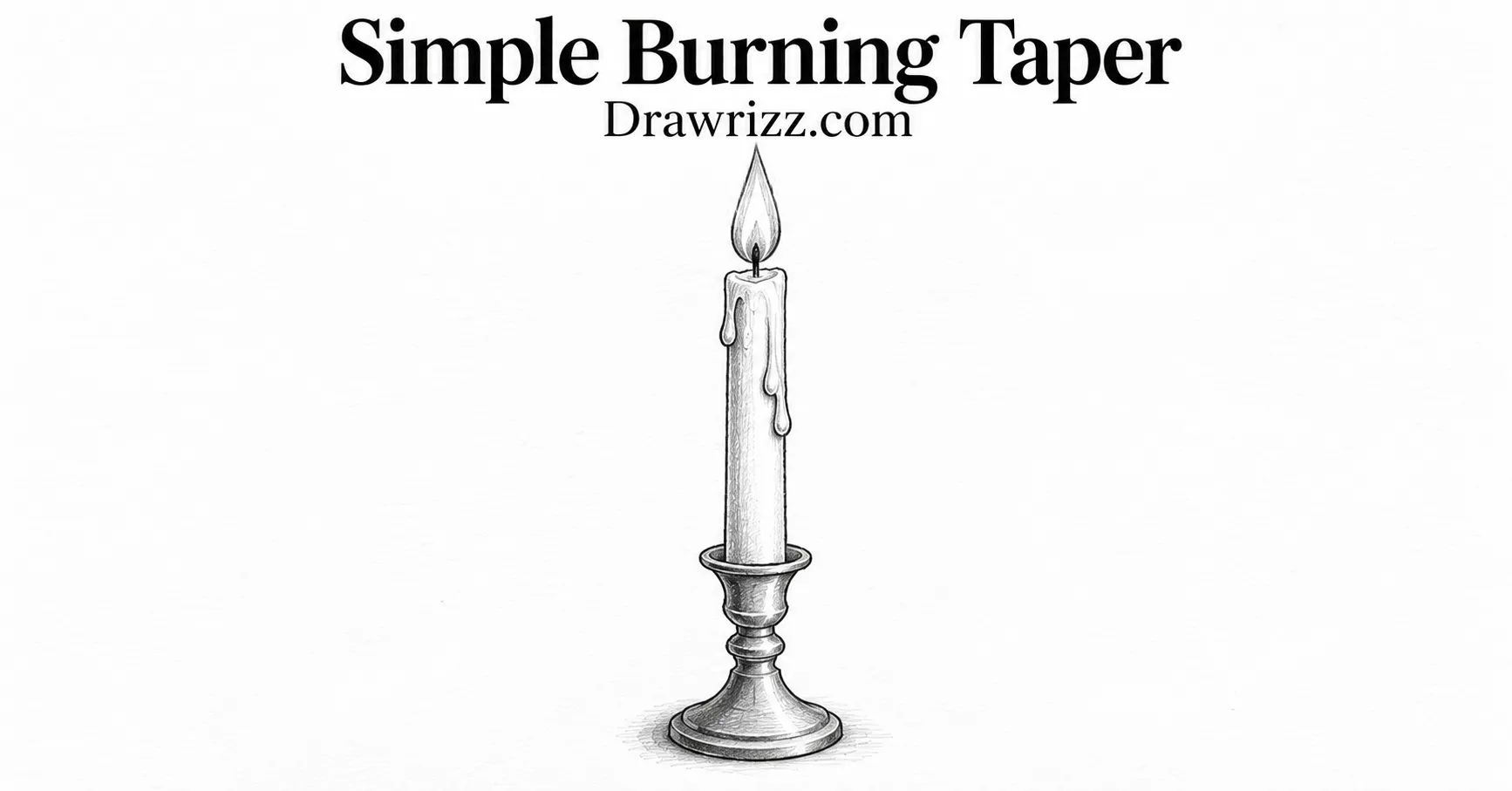
Begin with a tall, narrow shape and place a small teardrop flame above the wick. Keep the sides mostly straight and add one or two subtle wax drips near the top. This uncomplicated design is useful for practicing proportion and smooth line control before moving into more detailed compositions.
2. Melting Wax Drips
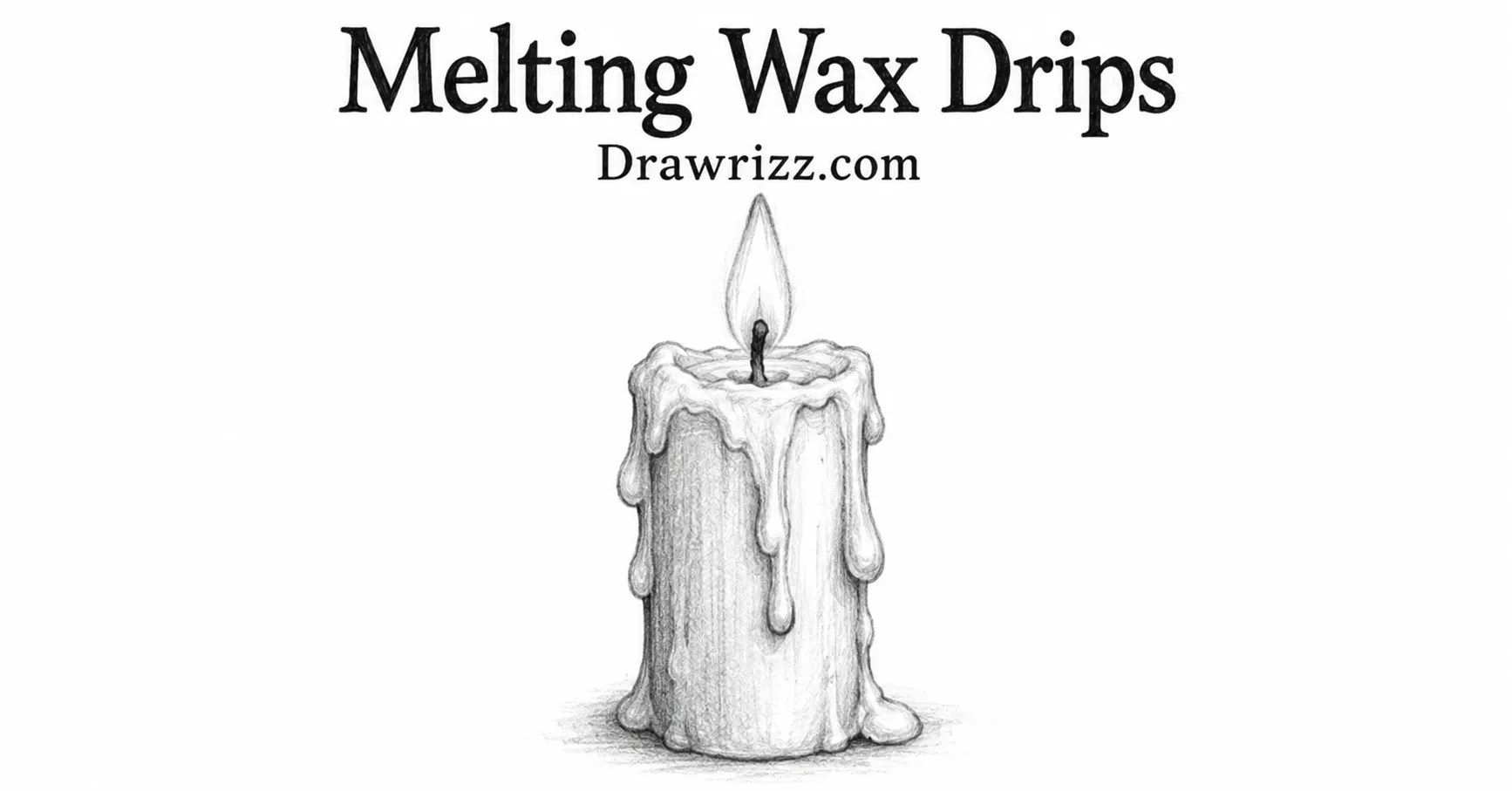
Let uneven streams of melted wax travel down the sides for a more expressive look. Mix short rounded drops with longer flowing shapes so the surface feels natural rather than perfectly symmetrical. Gentle shadows beneath each drip can make the wax appear raised from the main form.
3. Cute Kawaii Flame

Give a basic wax shape two large eyes, a tiny smiling mouth, and rounded proportions. Small sparkles around the flame can add personality while keeping the design easy enough for kids and beginners. A few curved lines are enough to create an adorable sketchbook character.
4. Glass Jar Glow
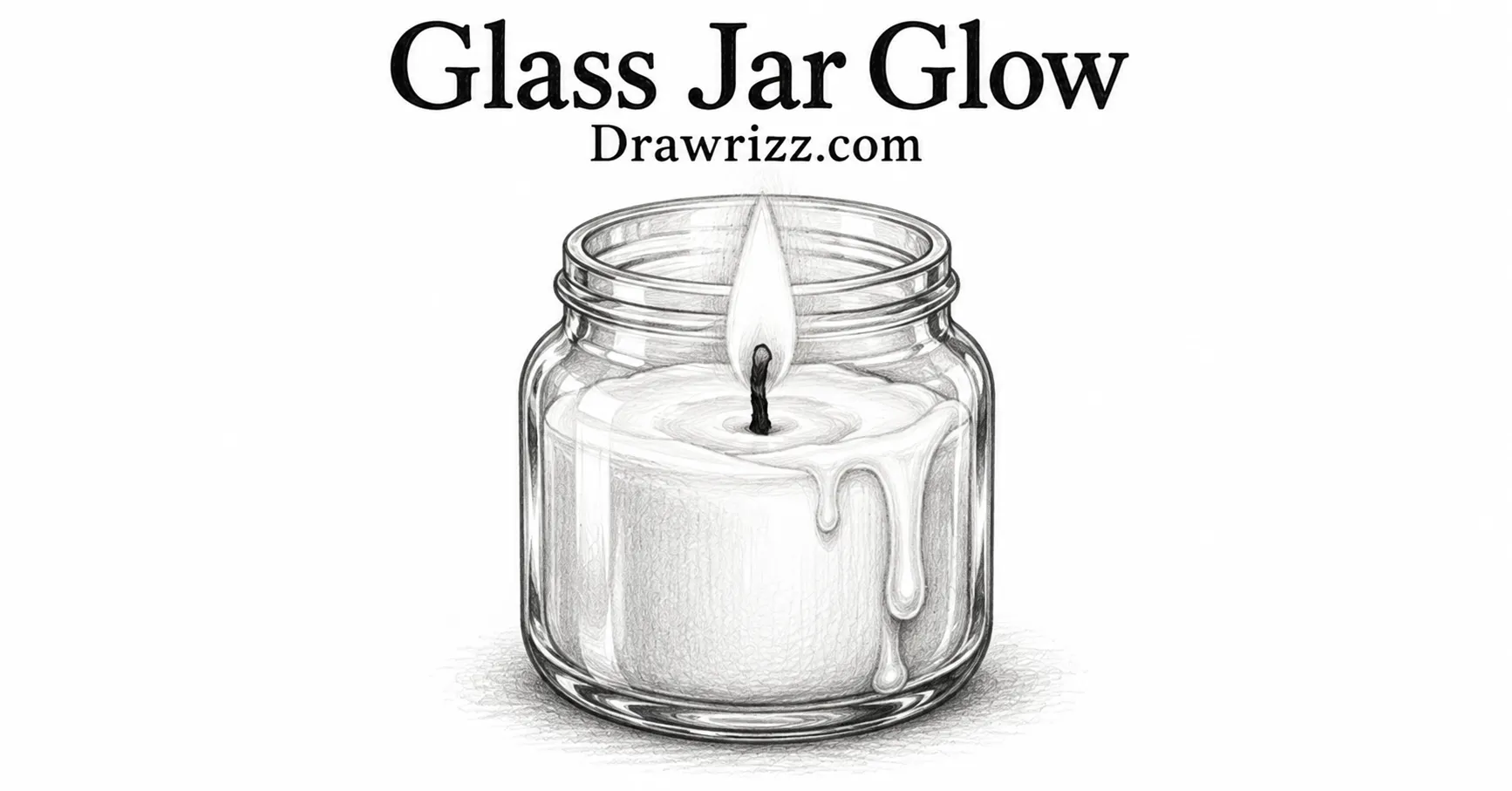
Draw a rounded glass container with wax sitting inside and a centered wick rising from the surface. Use faint curved lines along the edges to suggest transparent glass. The contrast between the darker wick and delicate container outline creates an attractive minimalist study.
5. Heart-Shaped Flame
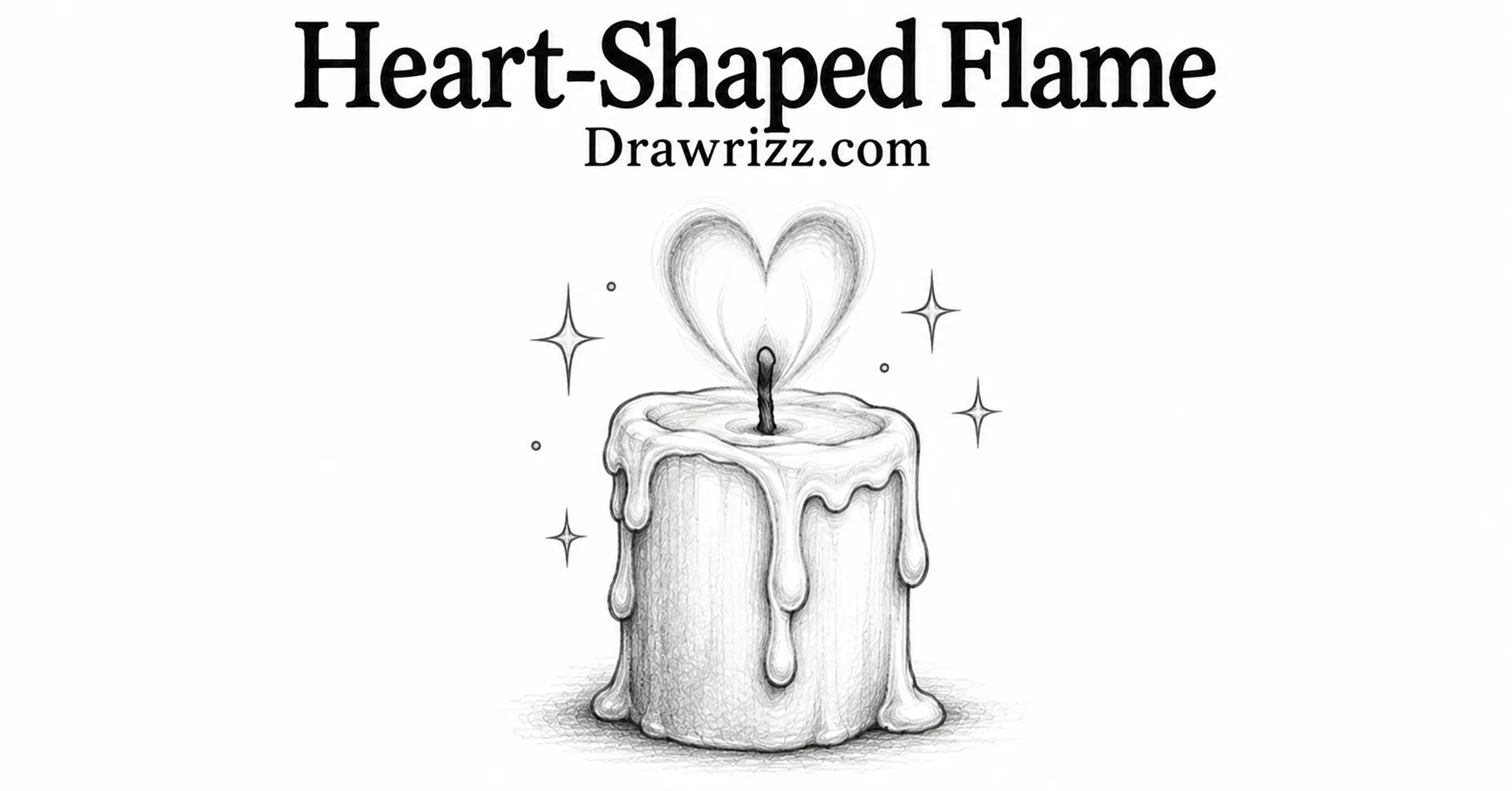
Replace the usual teardrop with a soft heart silhouette. Keep the base simple so the unusual flame remains the focal point. This small variation works especially well for romantic journal pages, handmade cards, or Valentine’s-inspired sketches.
6. Tiny Tea Light
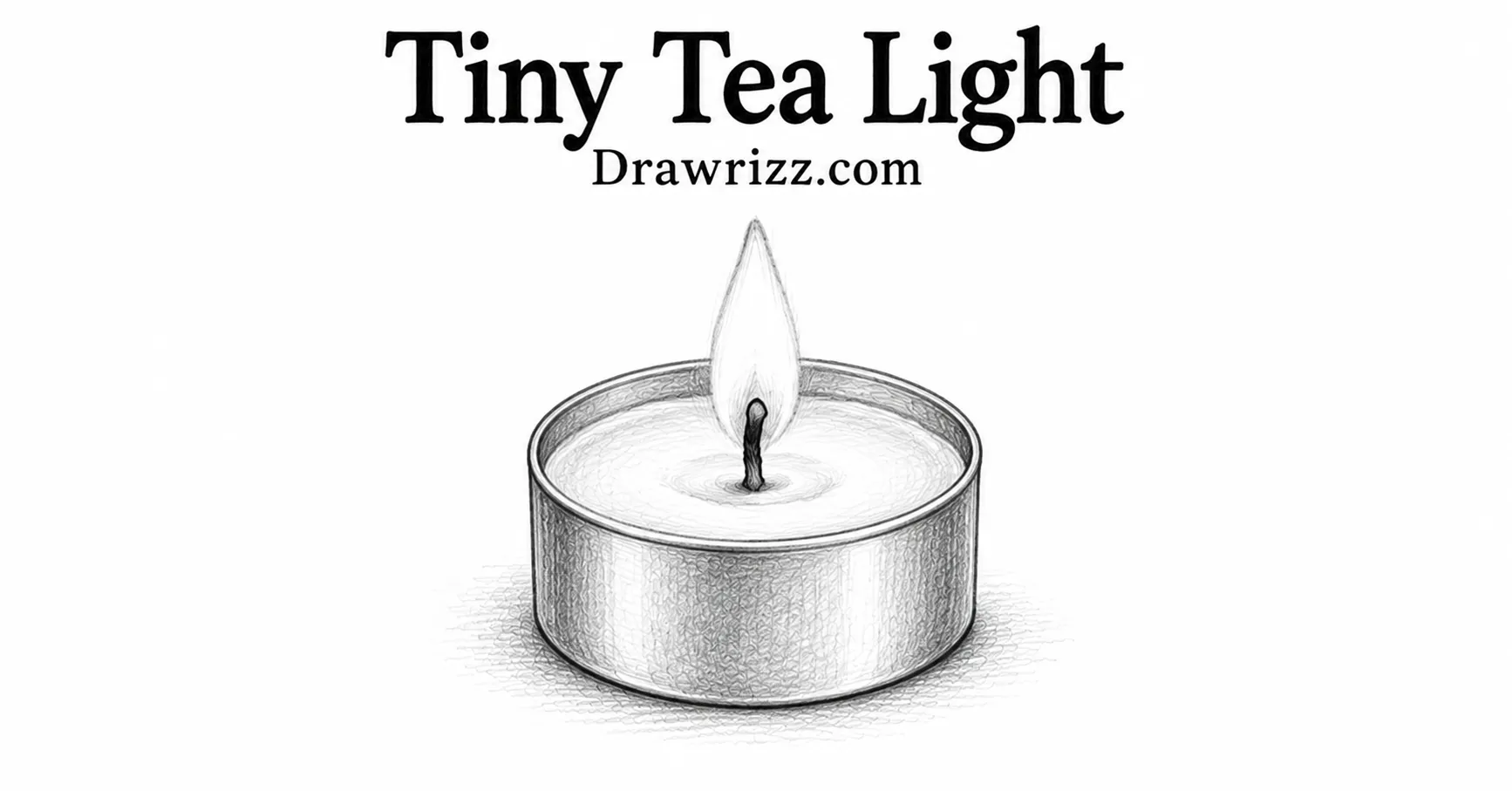
A tea light can be built from a short oval and a shallow metal cup. Add the wick in the center and keep the flame small to match the compact proportions. It is an excellent subject when you want a quick five-minute sketch with simple geometry.
7. Vintage Brass Holder
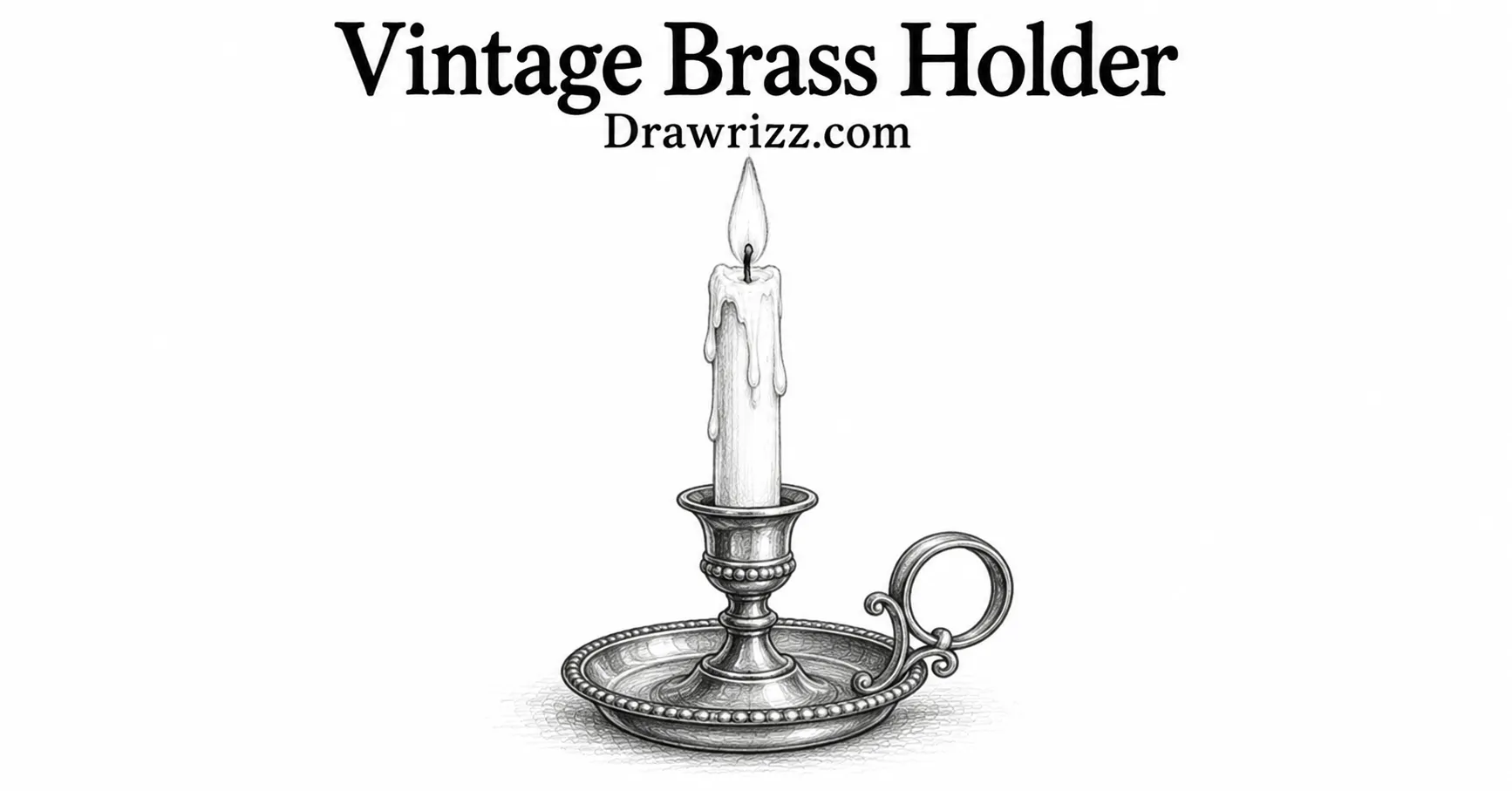
Add an old-fashioned holder with a round base, curved handle, and decorative stem. The combination of a slim taper and ornate support introduces more interesting curves without making the subject overwhelming. Light cross-hatching can suggest the aged metal surface.
8. Cozy Book Scene
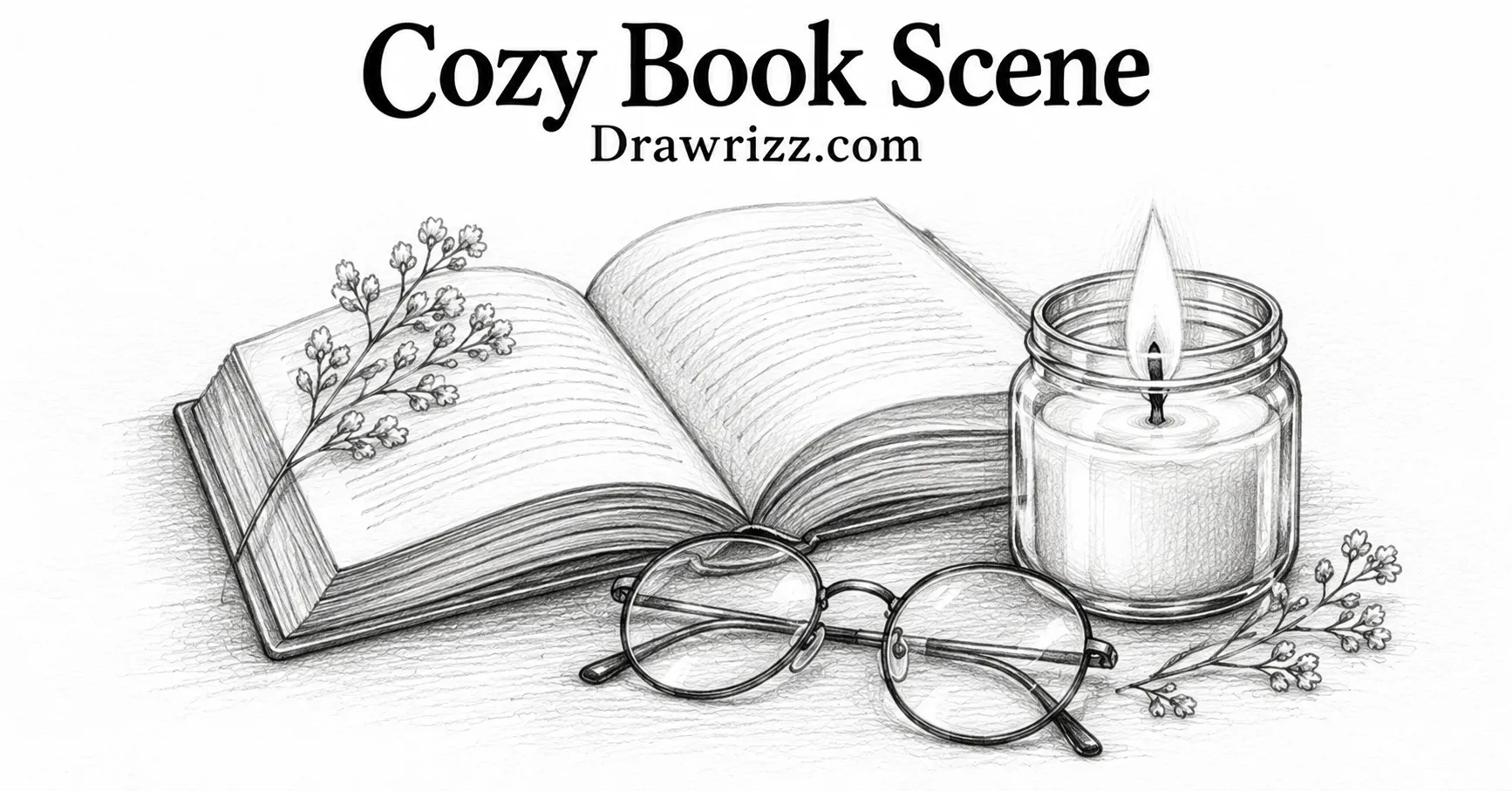
Place a small glowing light beside an open book. Add only a few page lines and perhaps a pair of reading glasses to create a peaceful evening atmosphere. The arrangement also provides practice in combining objects of different shapes within one balanced composition.
9. Moon and Stars Design
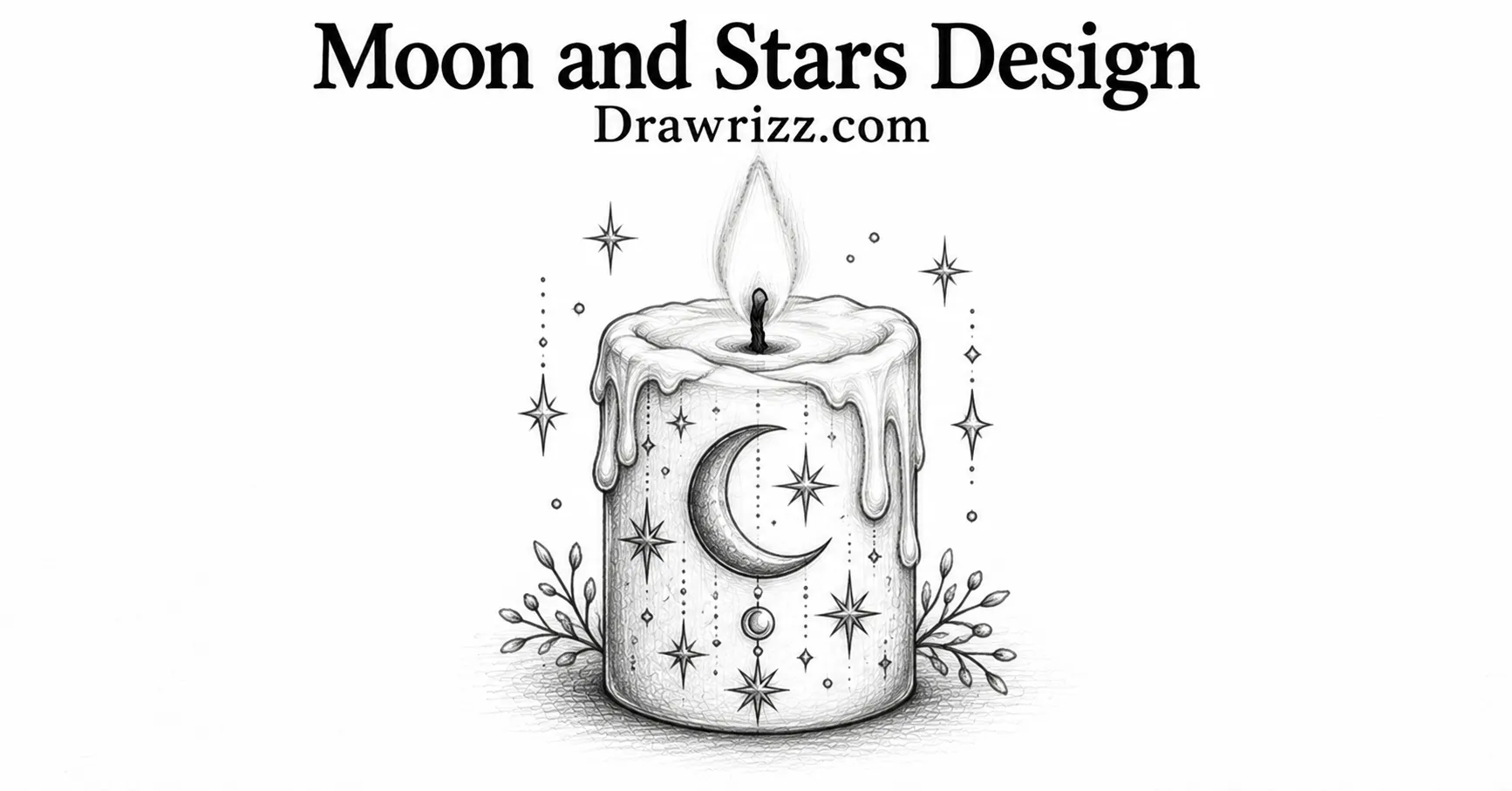
Decorate the wax body with a crescent moon, tiny stars, and delicate celestial dots. Keep the motifs simple and spaced apart so the result remains clean. This dreamy variation works nicely in aesthetic sketchbook spreads and nighttime-themed art.
10. Birthday Cake Topper
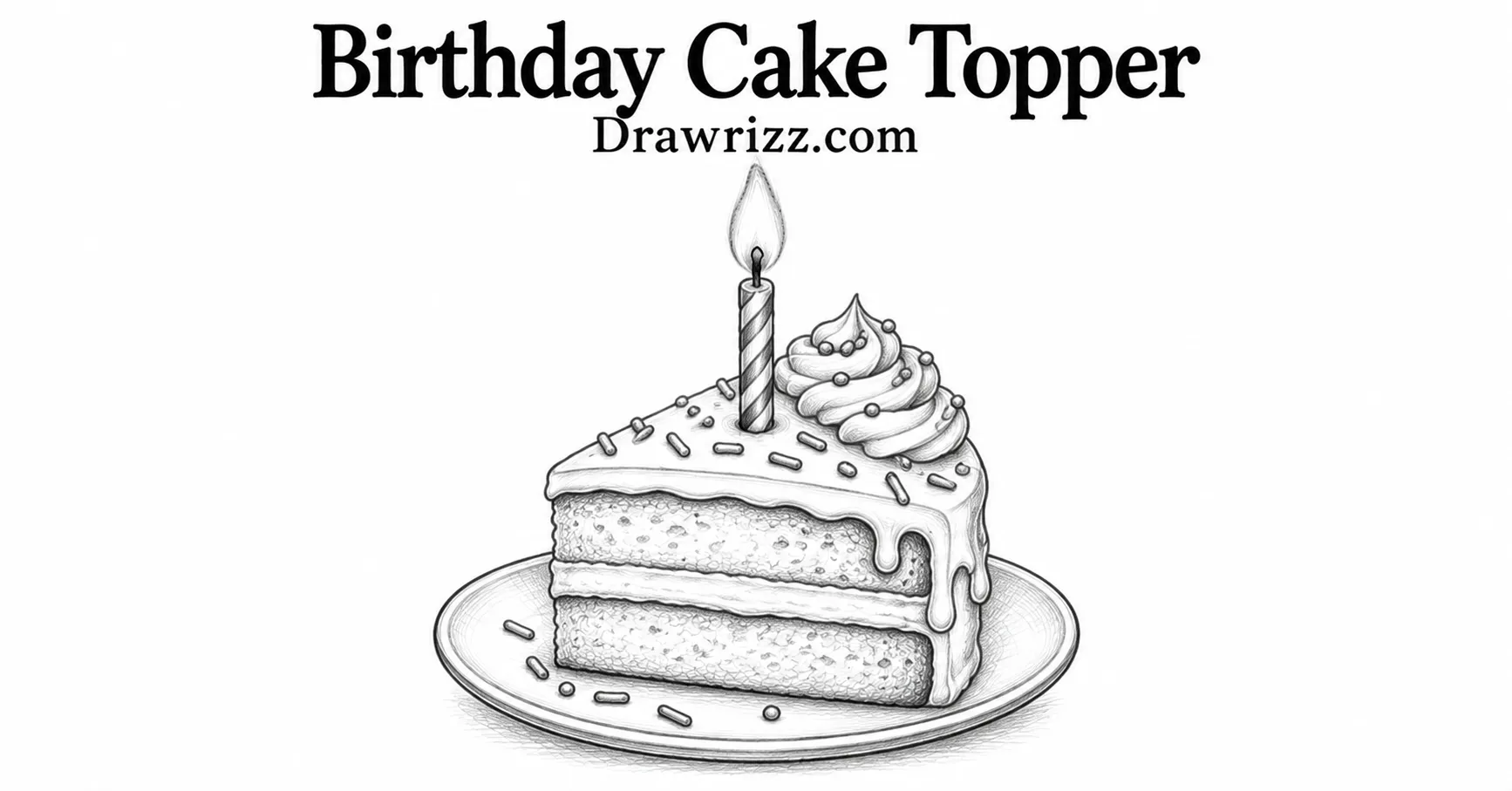
Sketch a slice of cake or small cupcake with one lit topper rising above the frosting. Curved icing lines and sprinkles make the composition playful without requiring complicated perspective. This is a cheerful option for birthday cards and celebration doodles.
11. Three Lights on a Tray
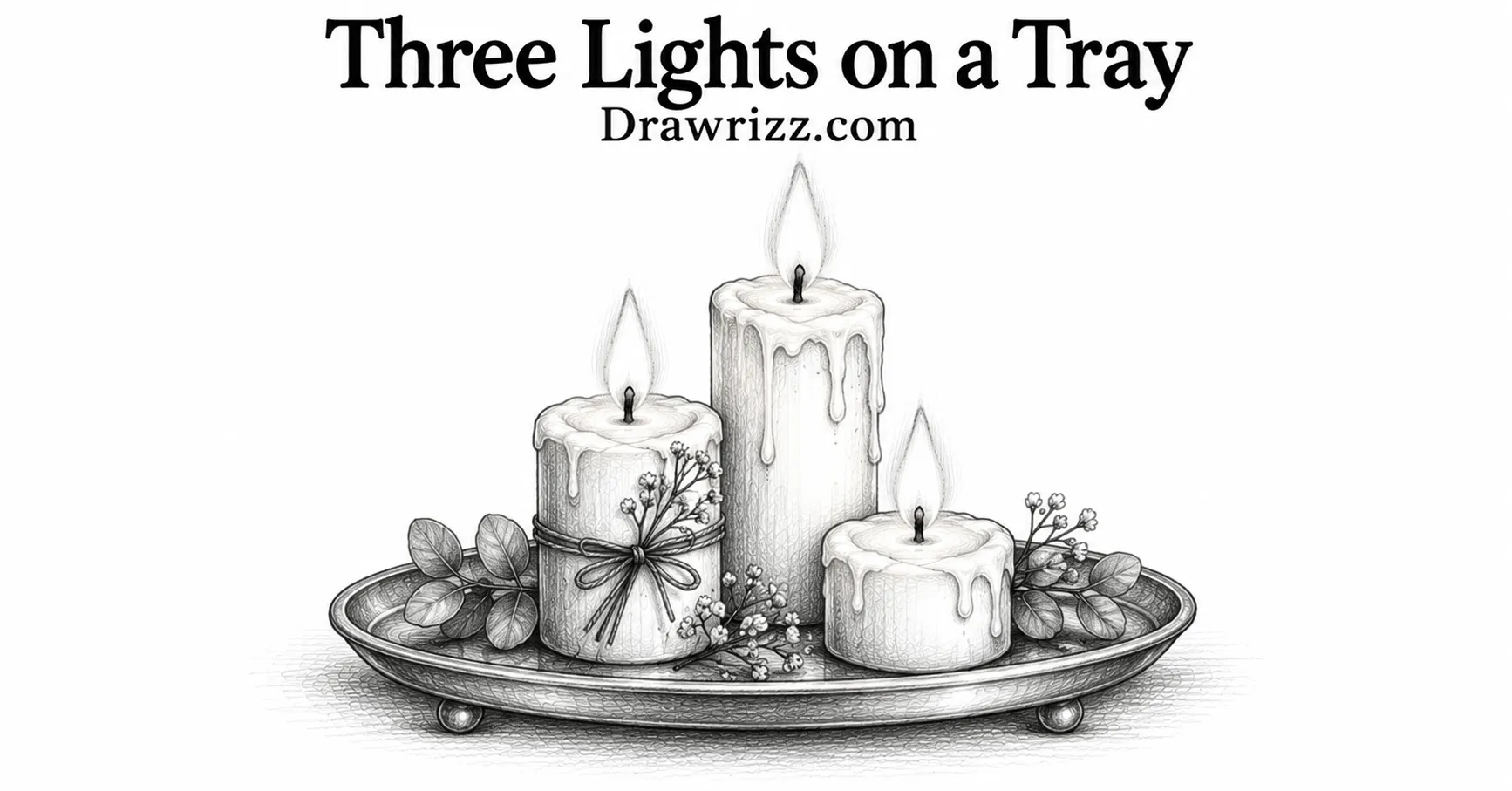
Arrange three pieces at different heights on a simple oval tray. Changing their sizes immediately creates visual rhythm and depth. Add a few overlapping edges and soft shadows underneath to practice foreground and background relationships.
12. Smoke Trail

Show a recently extinguished wick with a thin ribbon of smoke curling upward. Instead of focusing on a bright flame, use flowing S-shaped lines to create movement. This is a simple way to practice delicate strokes and negative space.
13. Floral Wreath Base
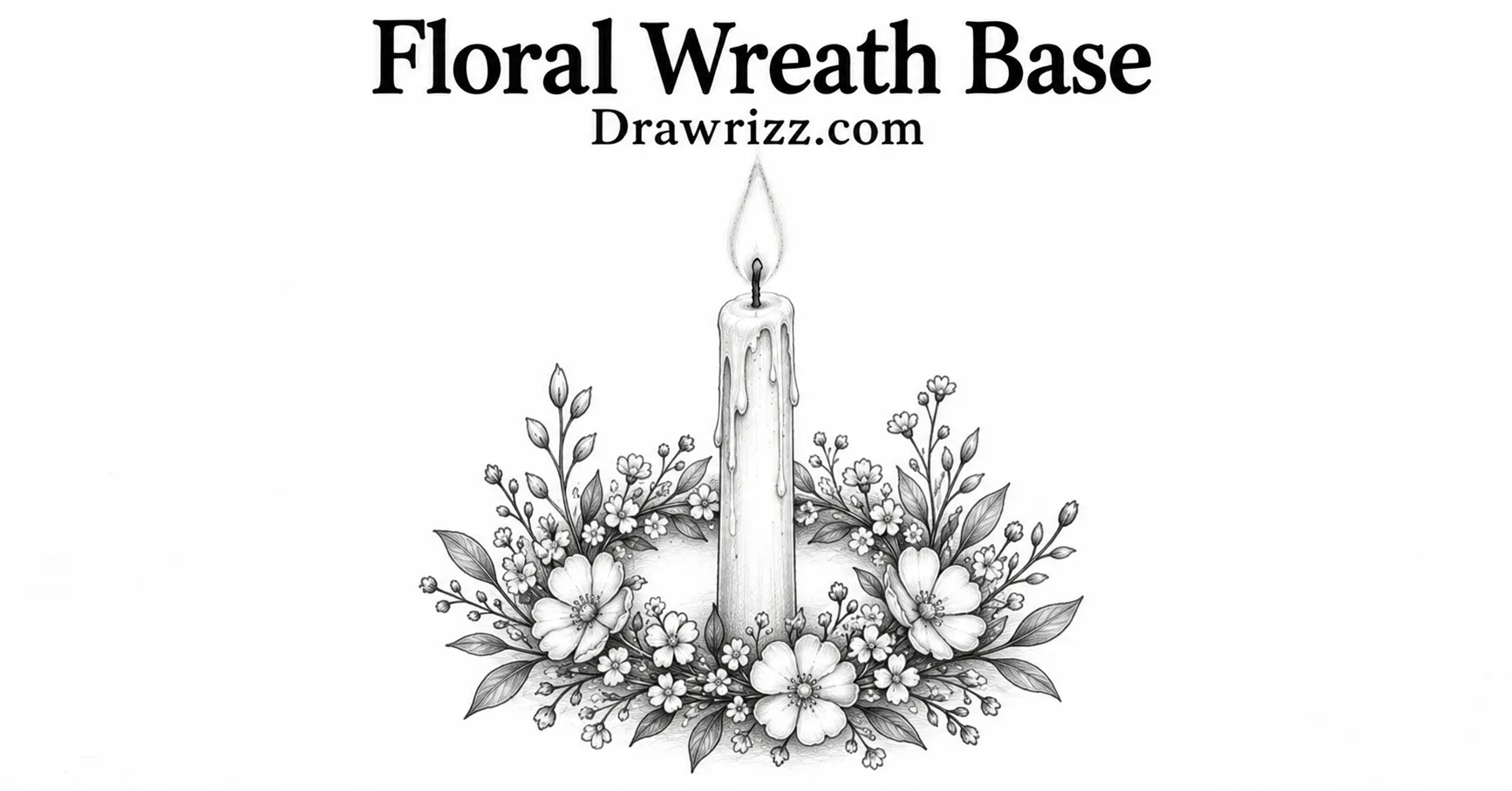
Surround the base with small leaves, daisies, or simple wildflowers. The straight central form contrasts nicely with the organic curves of petals and foliage. Keep the botanical elements loose if you want the result to feel soft and hand-drawn.
14. Spooky Skull Pairing

Set a tall dripping form beside a simplified skull for a darker seasonal composition. Strong shadows and uneven wax edges can create a mysterious mood while the skull adds an unmistakable spooky element. Keep the anatomy stylized if you prefer an approachable version.
15. Pumpkin Glow
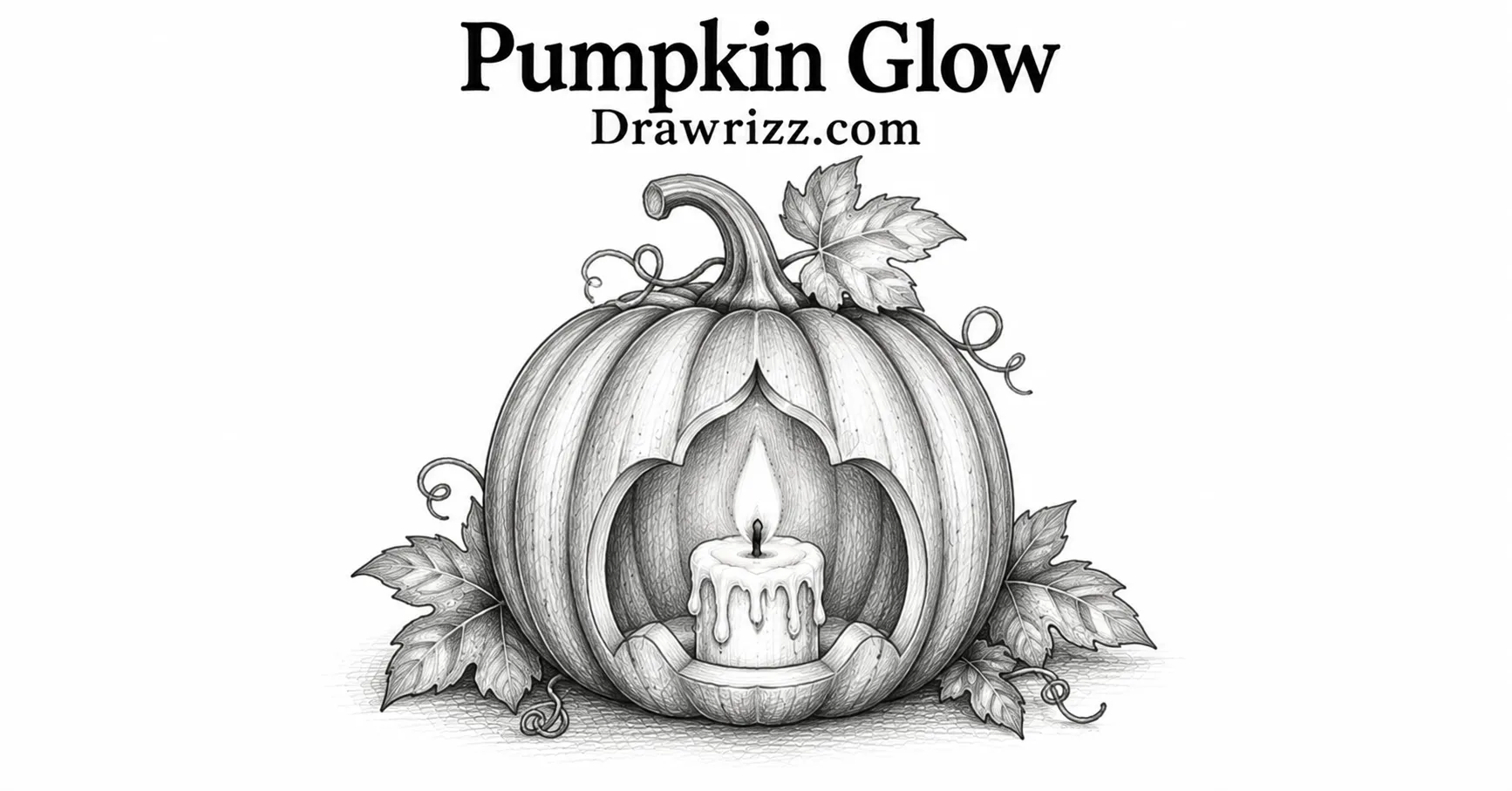
Carve a simple opening into a pumpkin shape and show a tiny light inside. Use curved vertical sections to give the pumpkin volume while leaving the internal design uncluttered. This makes a fun autumn or October sketch.
16. Lantern Light
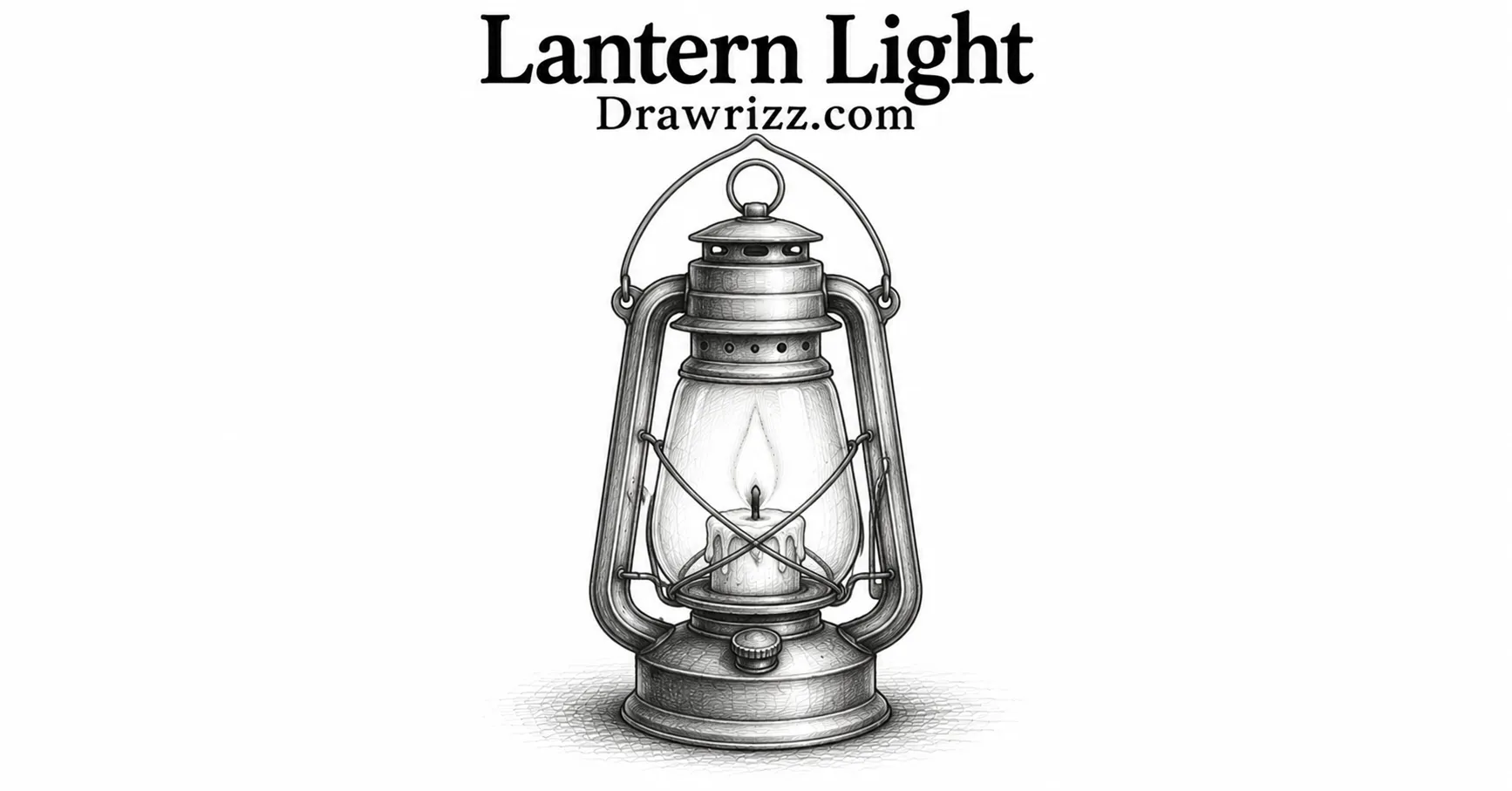
Build a classic lantern around a small central flame using straight frames, transparent panels, and a curved handle. The repeated geometric lines are useful for practicing symmetry. Add only light shading behind the glass so the structure stays easy to read.
17. Minimalist Single-Line Style
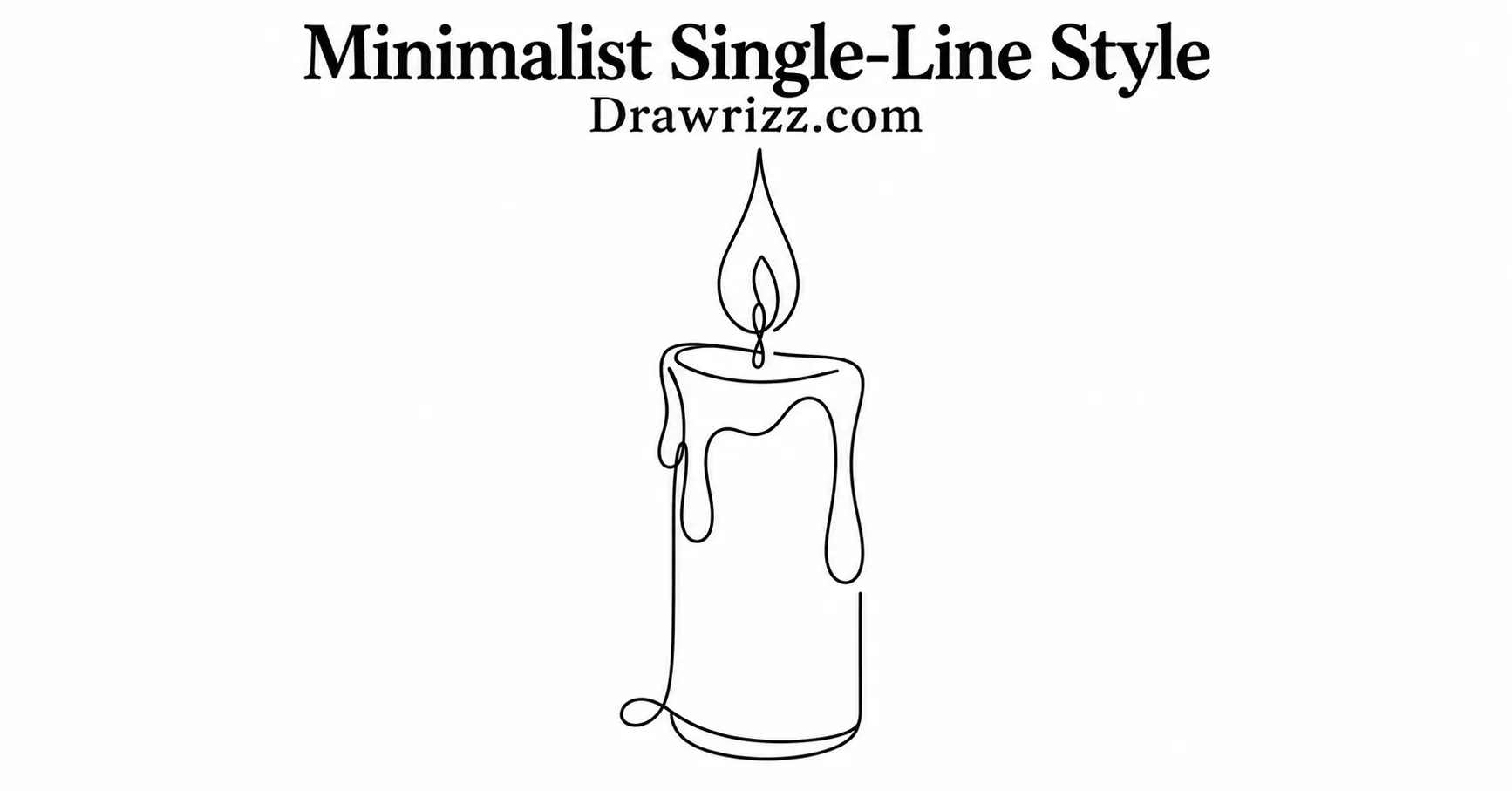
Try constructing the entire subject with as few strokes as possible. A continuous outline can suggest the body, wick, and flame without shading or texture. This approach is ideal for practicing confident line movement and modern illustration.
18. Realistic Pencil Study
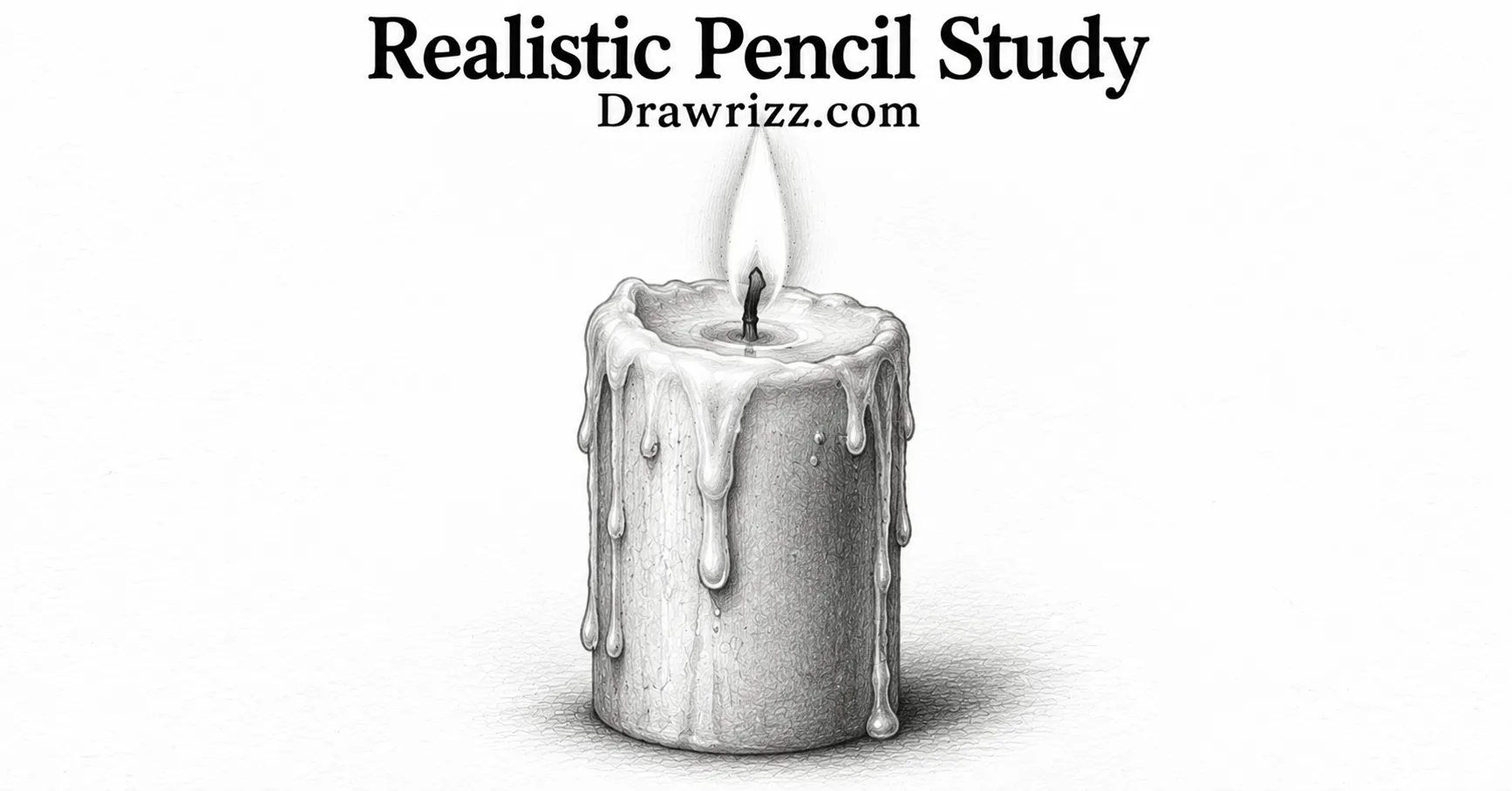
Focus on subtle tonal changes instead of decorative details. Darken the wick and shaded side while leaving a lighter strip where the flame would reflect on the wax. Smooth blending can give the cylindrical body convincing dimension.
19. Cute Ghost Companion

Pair a small smiling ghost with a short glowing light. Use rounded outlines for both subjects so they share the same playful visual language. Tiny stars or dots can fill empty areas without making the composition busy.
20. Rose and Flame
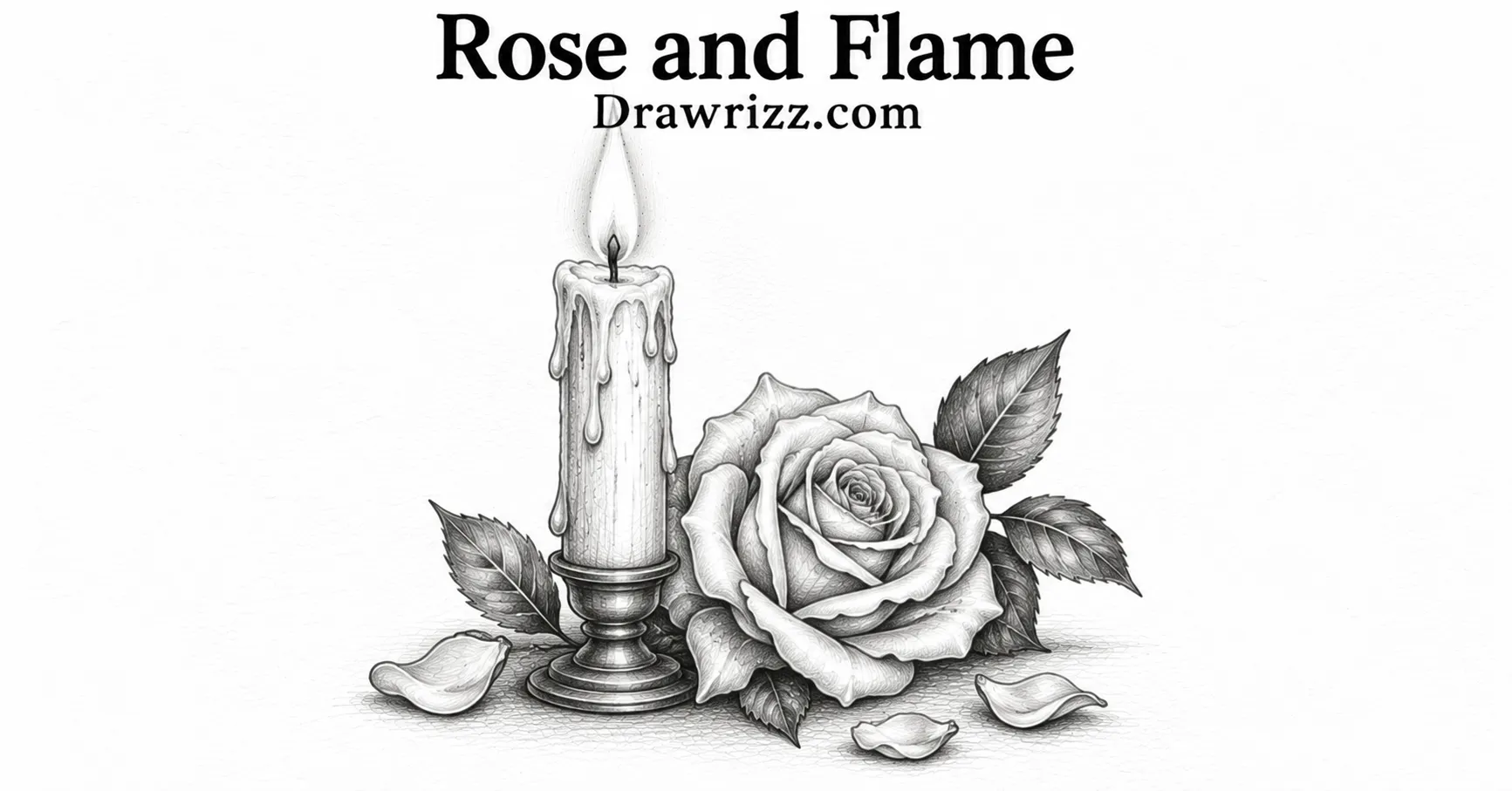
Place one open rose and a few leaves beside a tall wax form. The detailed petals provide a beautiful contrast to its smooth surface. This arrangement can be kept simple or developed into a more refined botanical still life.
21. Mushroom Holder
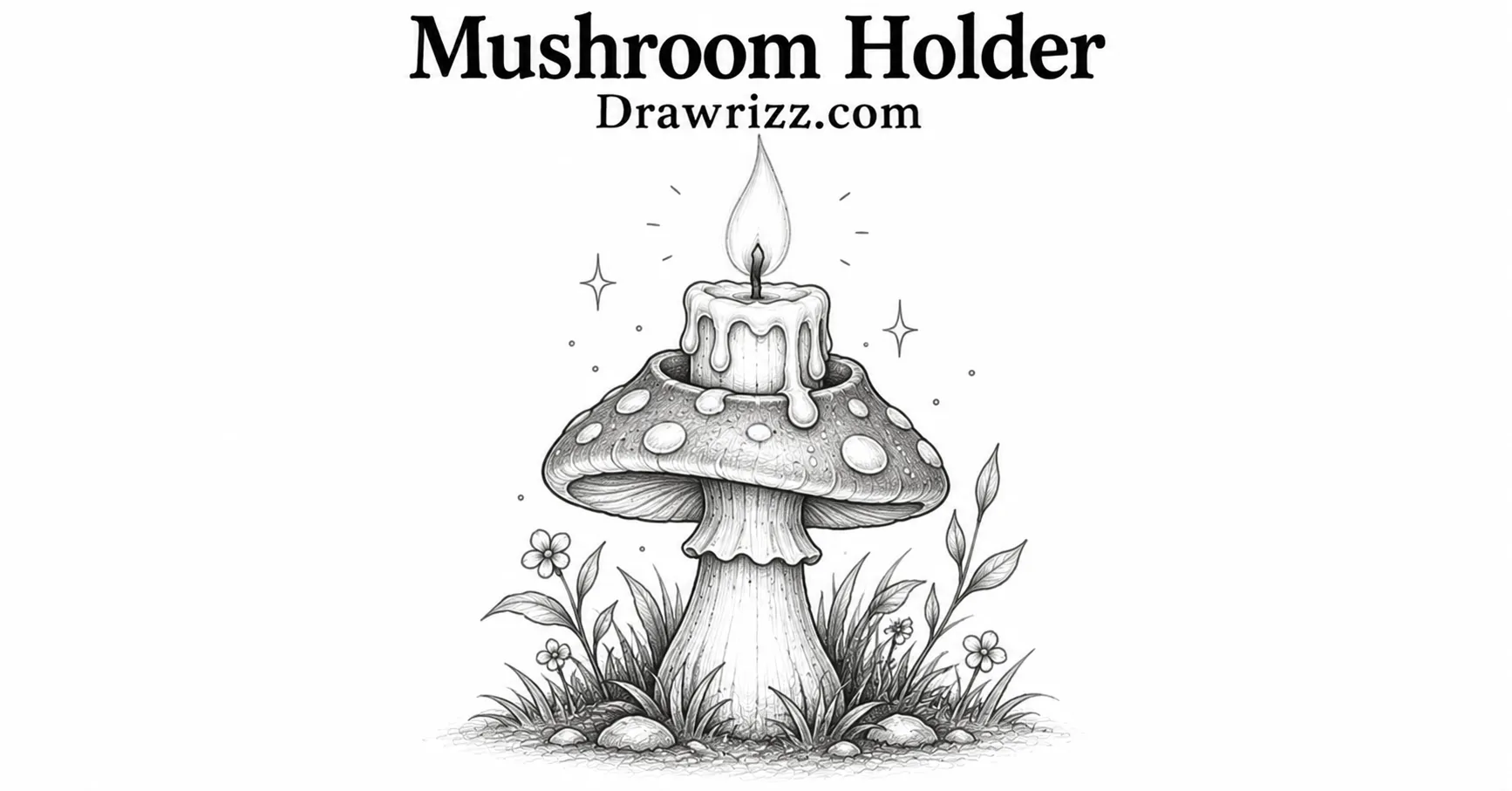
Turn a mushroom cap into an imaginative base for a tiny flame. Rounded organic forms make the concept feel whimsical and storybook-like. Add a few dots or miniature grass blades around the base for extra charm.
22. Window Sill Scene
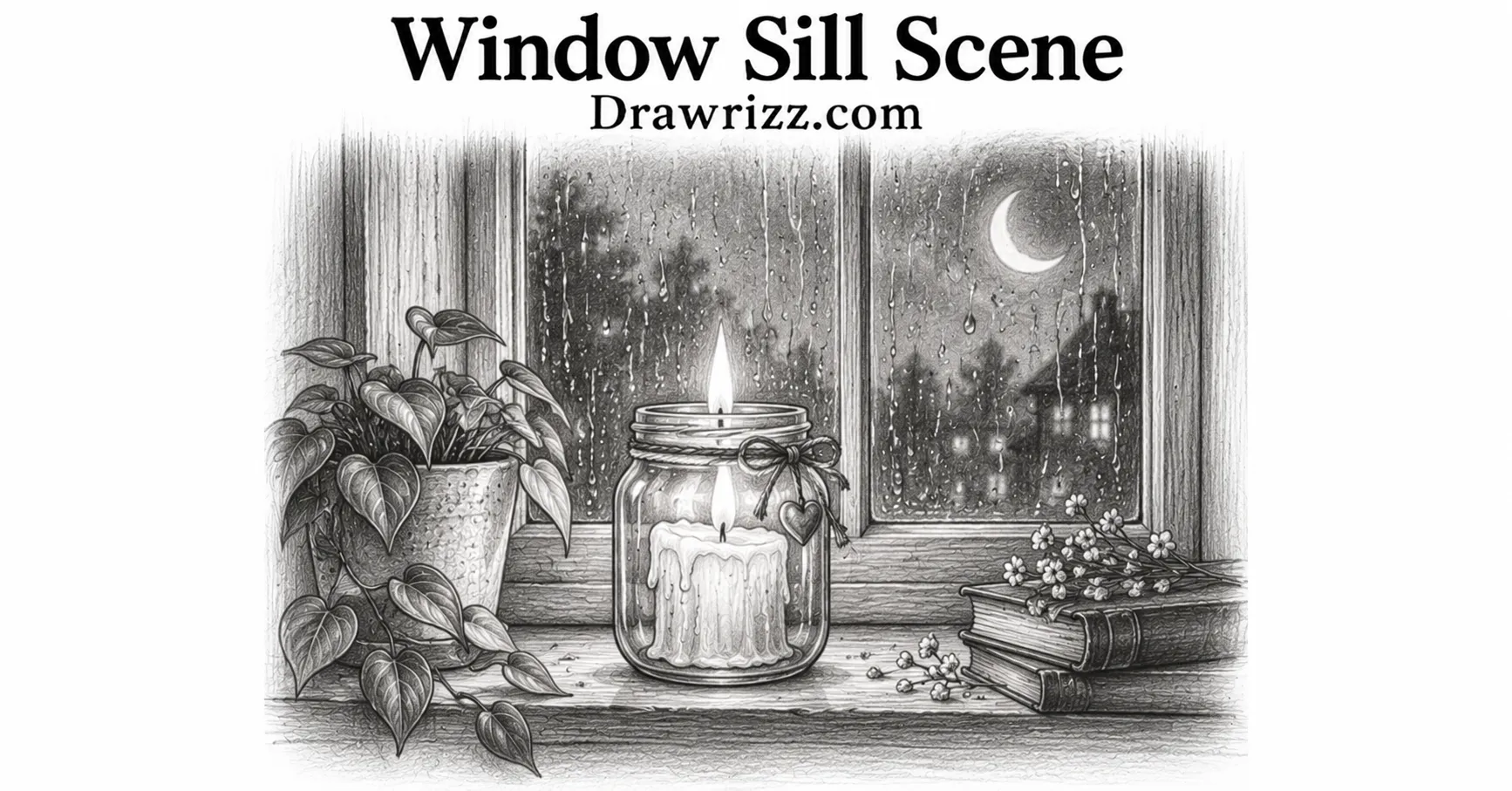
Set a small jar beside a window and suggest the frame with a few straight lines. Outside, add a crescent moon or simple raindrops. The scene introduces basic environment drawing while remaining compact enough for a sketchbook page.
23. Bow-Tied Design
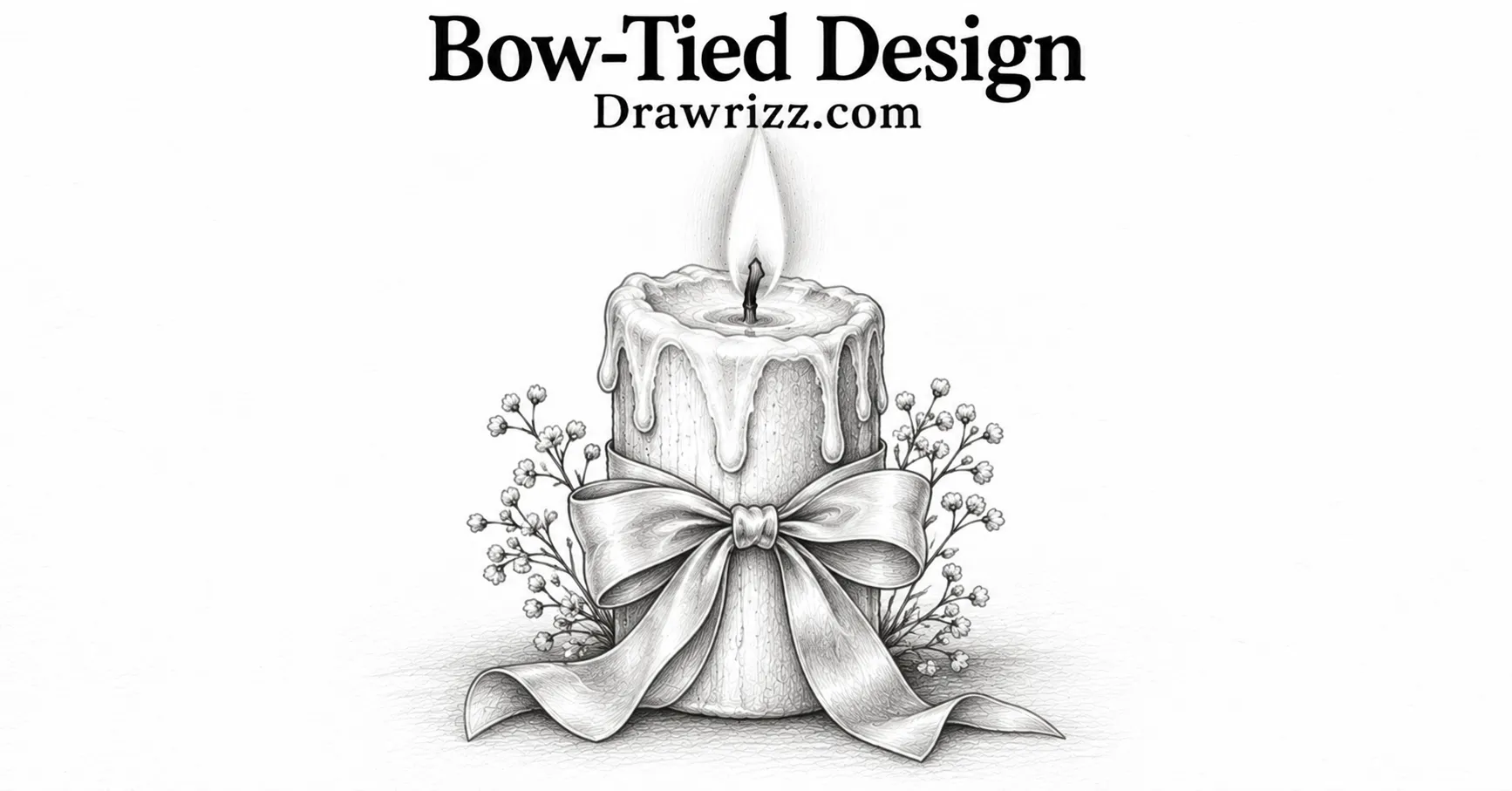
Wrap a small ribbon around the lower half and finish it with a neat bow. The soft loops and trailing ribbon ends add a decorative touch to an otherwise simple silhouette. It works especially well for feminine, gift-inspired, or coquette-style sketch pages.
24. Star-Shaped Wax
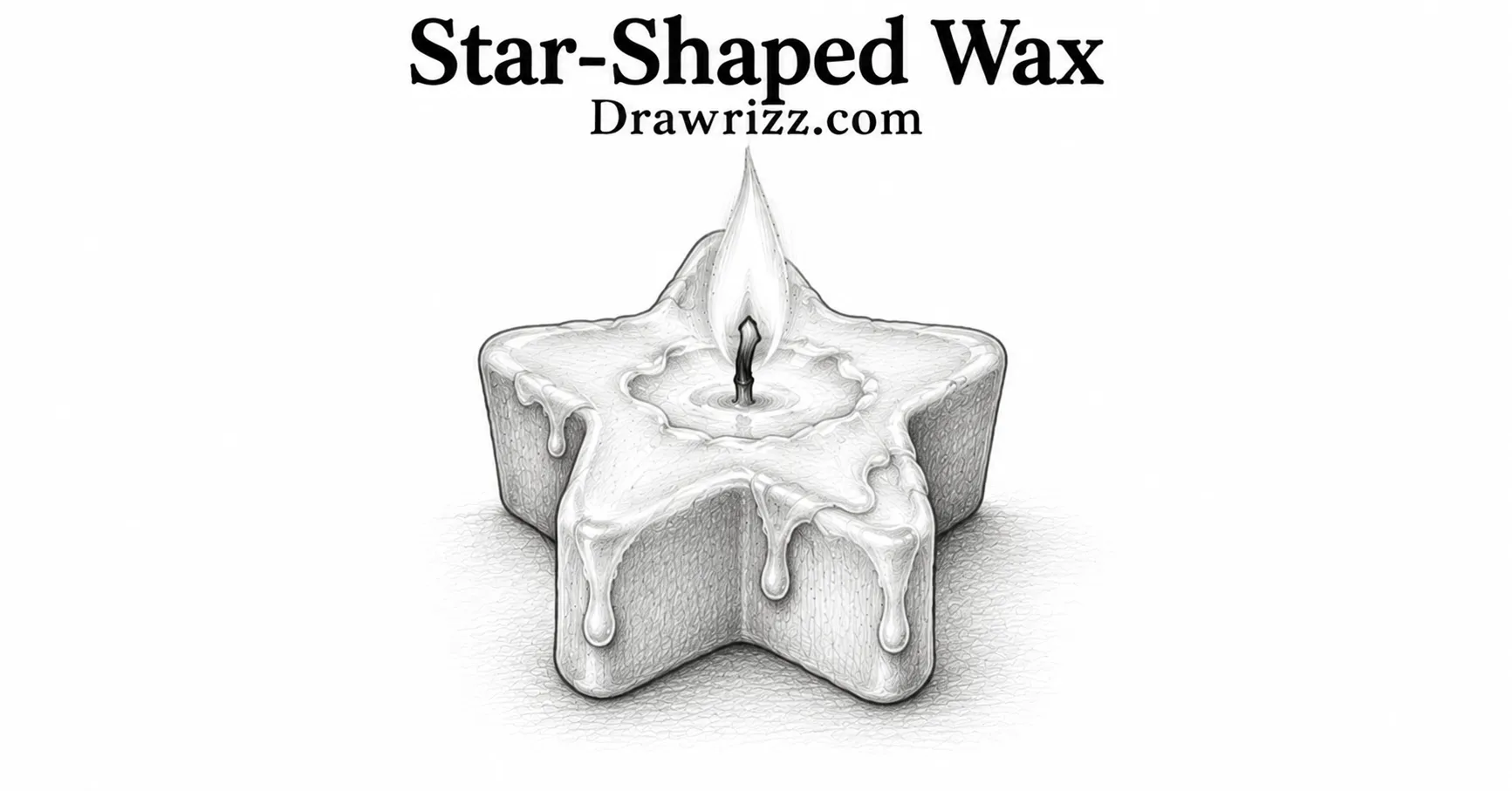
Instead of a standard cylinder, sketch a five-pointed star with a wick emerging from its center. Soften the corners slightly so it feels like molded wax rather than a flat symbol. This playful shape adds variety to a page of everyday objects.
25. Spiral Twist

Create a tall twisted form using diagonal curved bands from top to bottom. Keeping the spacing fairly consistent makes the spiral feel believable. The repeated pattern is excellent for practicing rhythm and curved line control.
26. Sun and Moon Pair
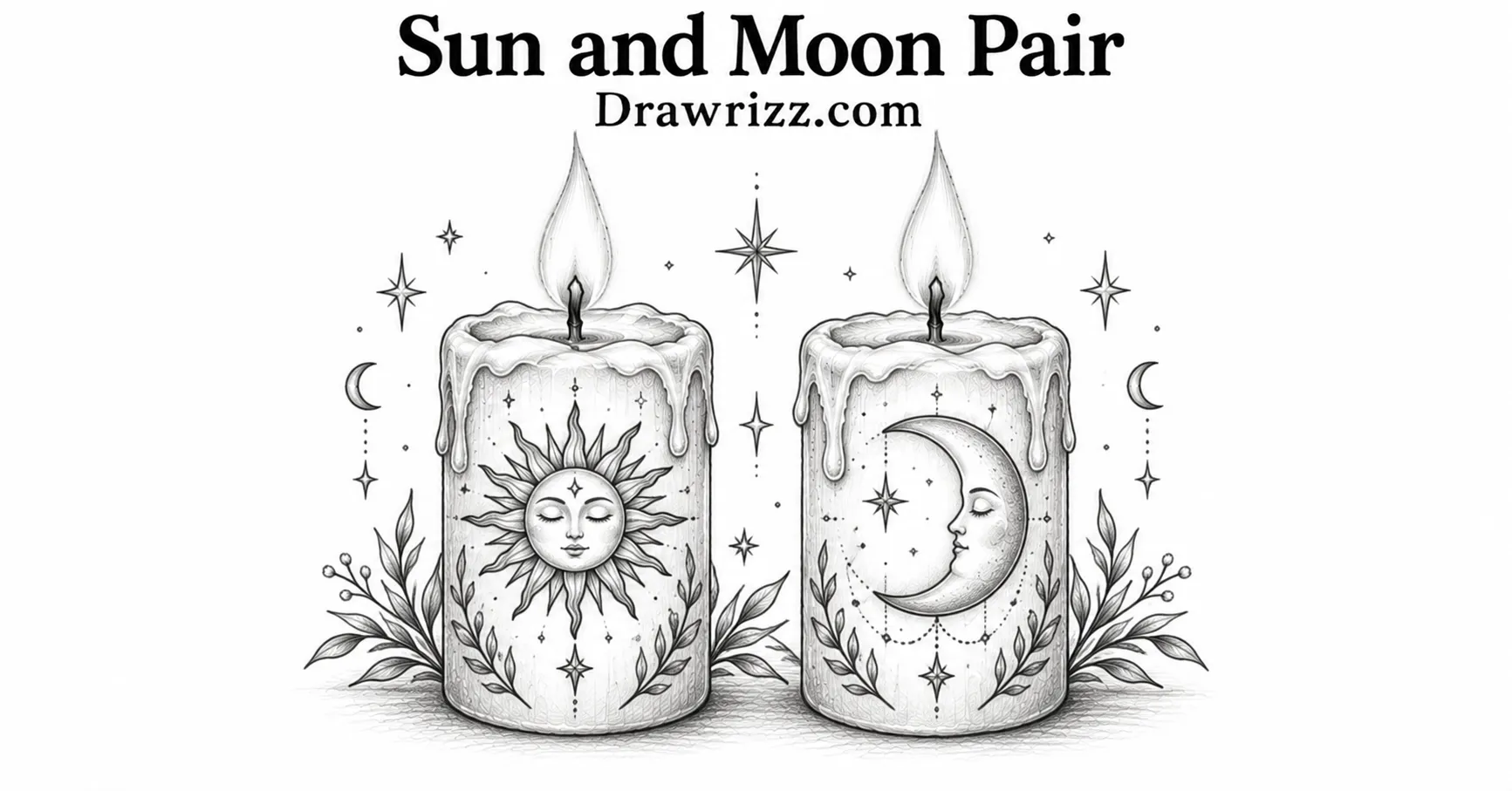
Create two matching pieces and decorate one with a sun motif and the other with a crescent moon. Slight differences in height can keep the pair from looking too rigid. Small celestial symbols between them help unite the composition.
27. Botanical Jar
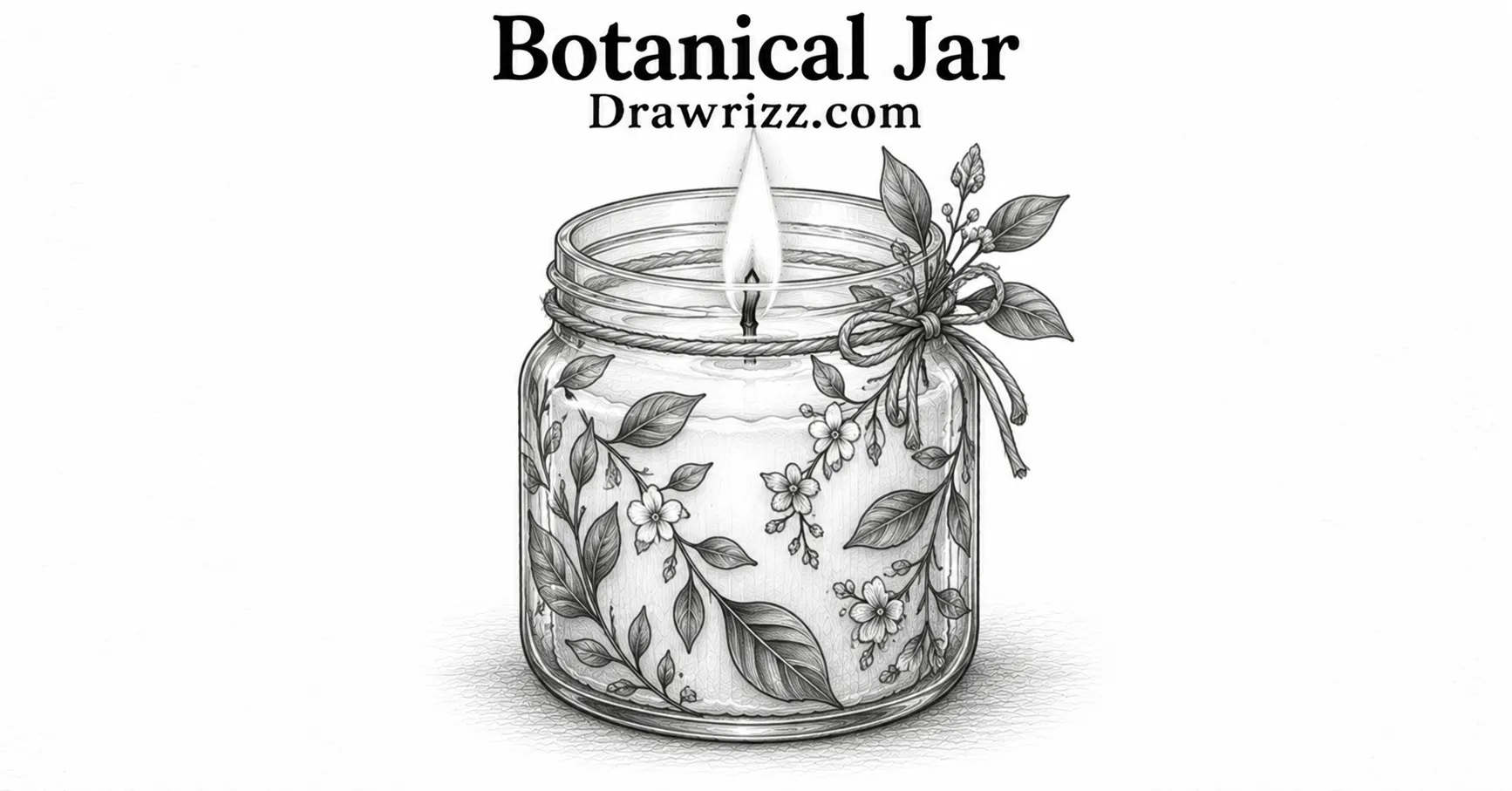
Decorate a glass container with small leaf illustrations and thin stems. Keep the internal wax shape plain so the botanical pattern remains readable through the glass. This combination creates a calm nature-inspired design.
28. Crystal and Flame Scene
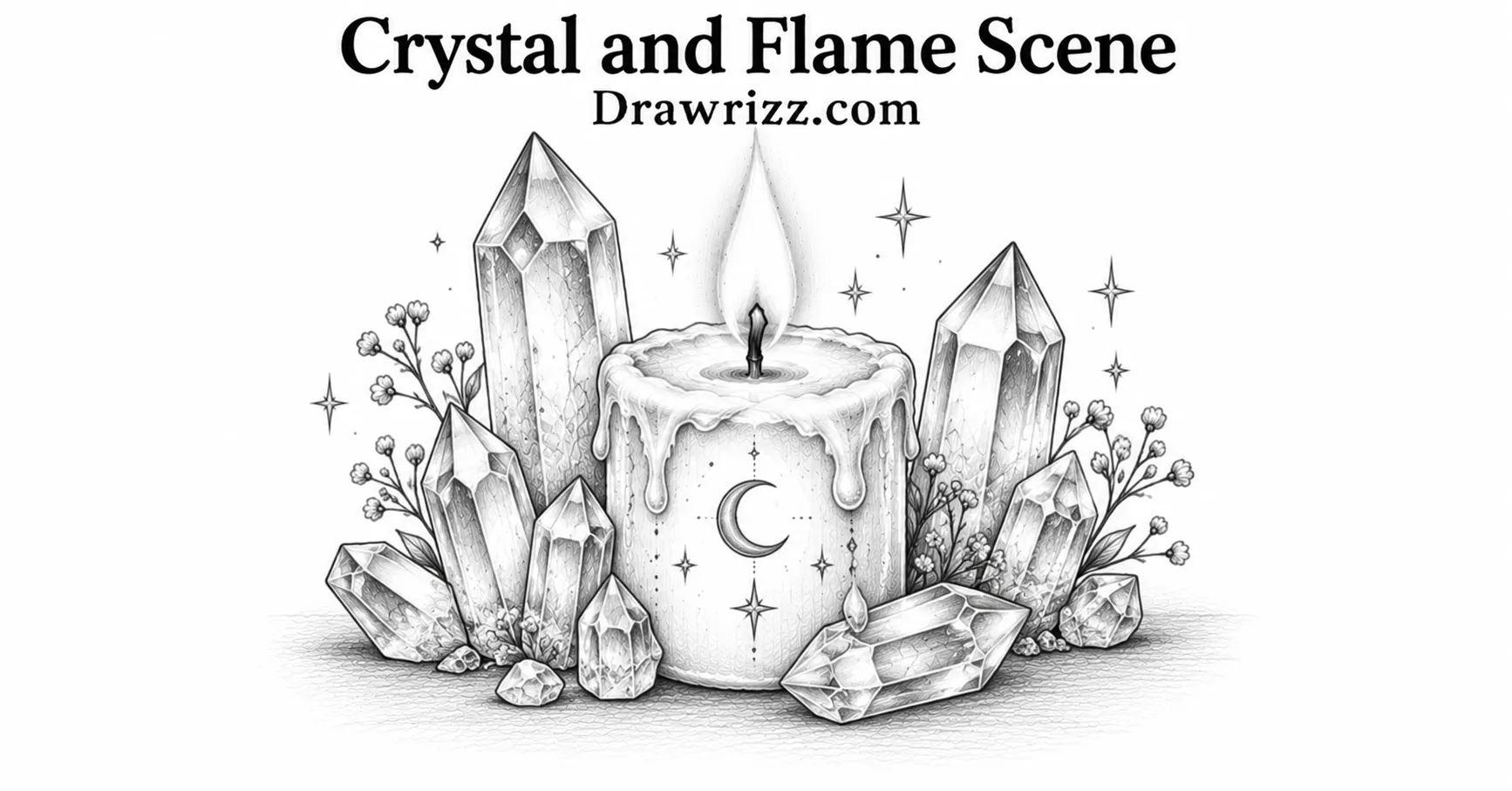
Place several simple crystal shapes around the base of a short glowing piece. Faceted stones introduce straight angular lines that contrast beautifully with soft melted edges. Use thin interior lines rather than heavy shading to keep the crystals clear.
29. Dripping Gothic Style
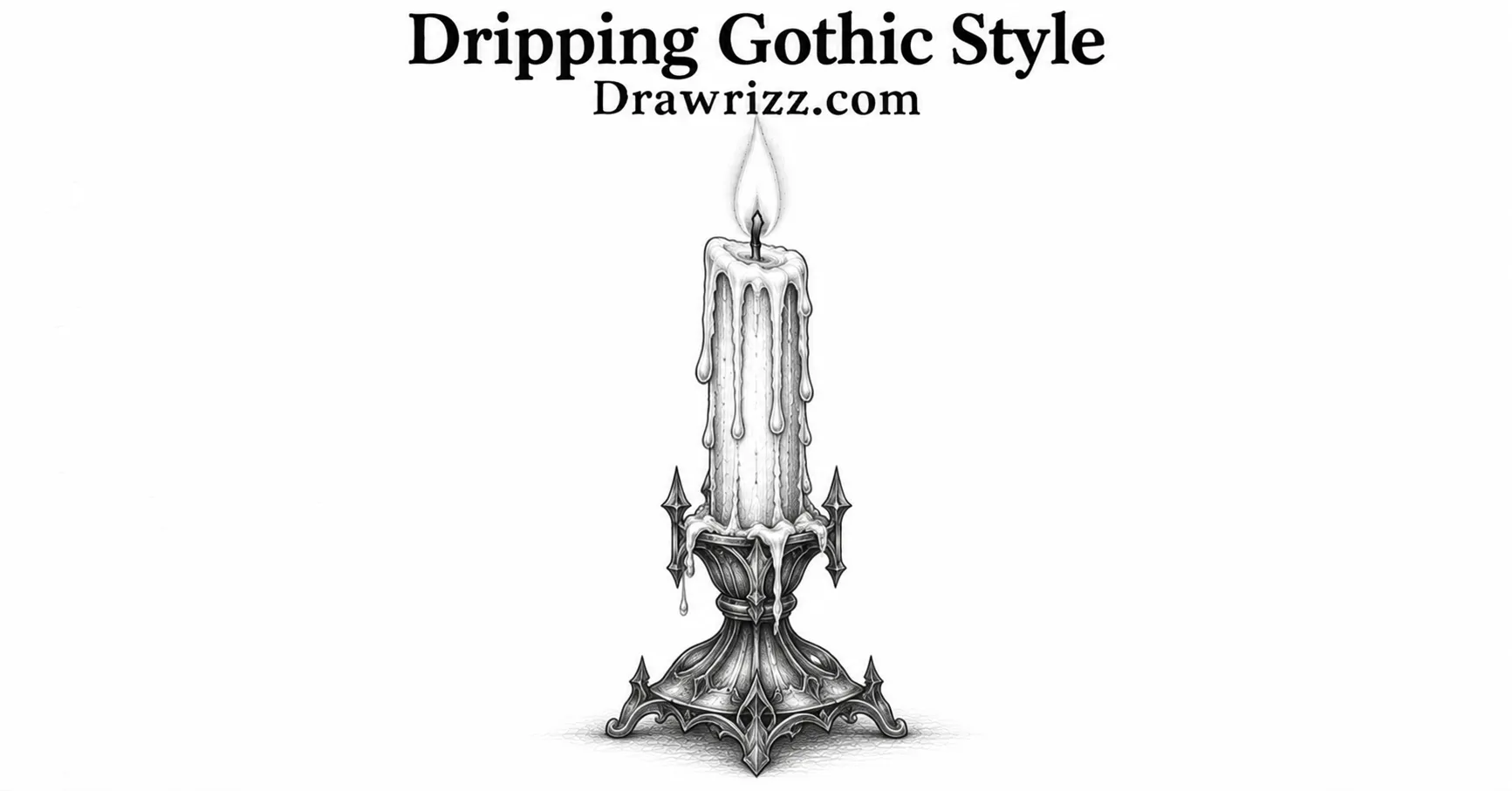
Make the body tall and slightly uneven, with exaggerated wax streams and a long narrow flame. Add an ornate base with pointed details for a gothic influence. Stronger graphite contrast can make this version more dramatic than the softer designs.
30. Coffee and Cozy Light
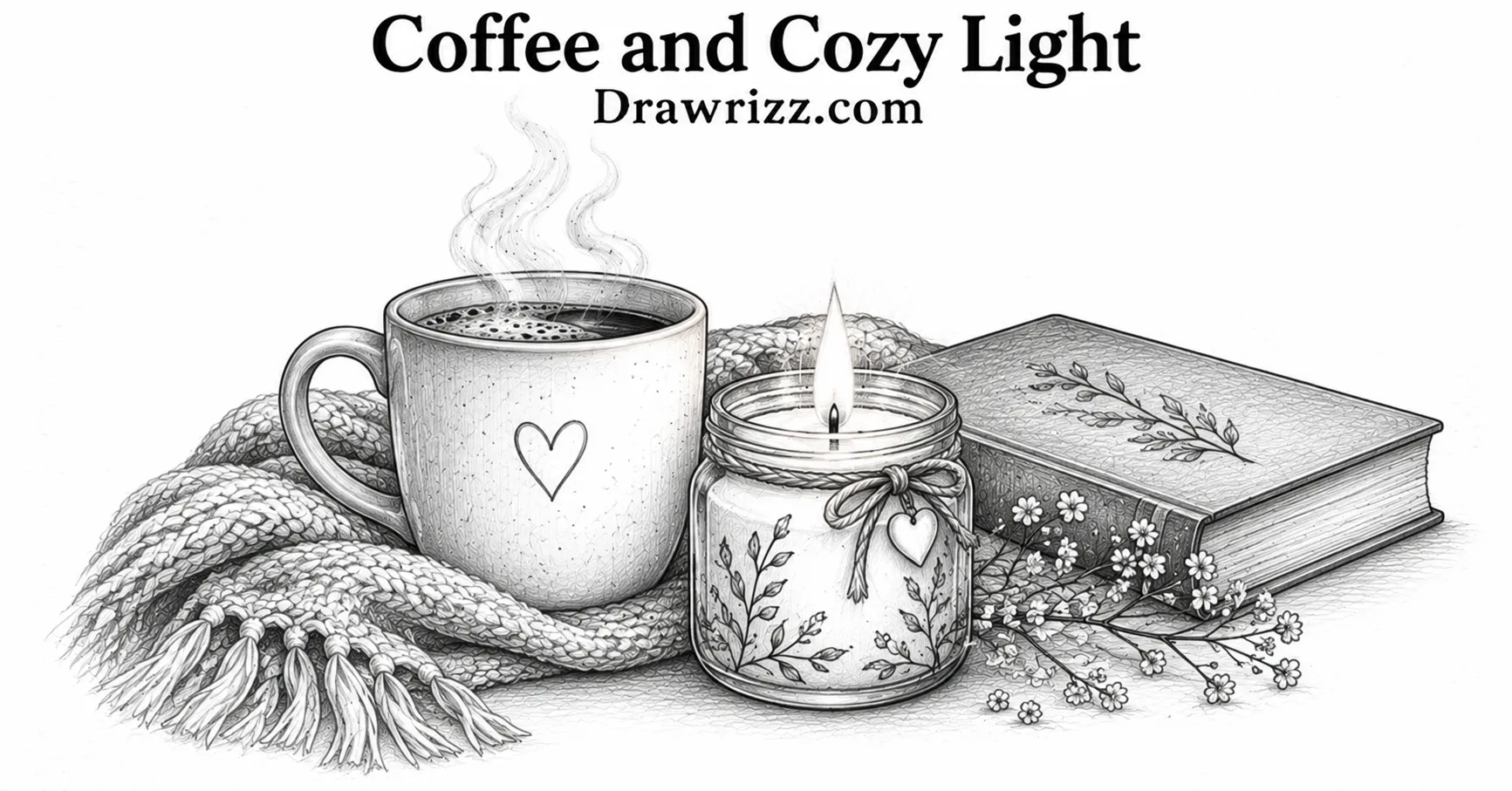
Pair a steaming mug with a small jar to create a relaxing desk scene. A few curved steam lines visually echo the flame and make the objects feel connected. Keep the background blank or add a simple book underneath for extra depth.
31. Floating Magical Lights
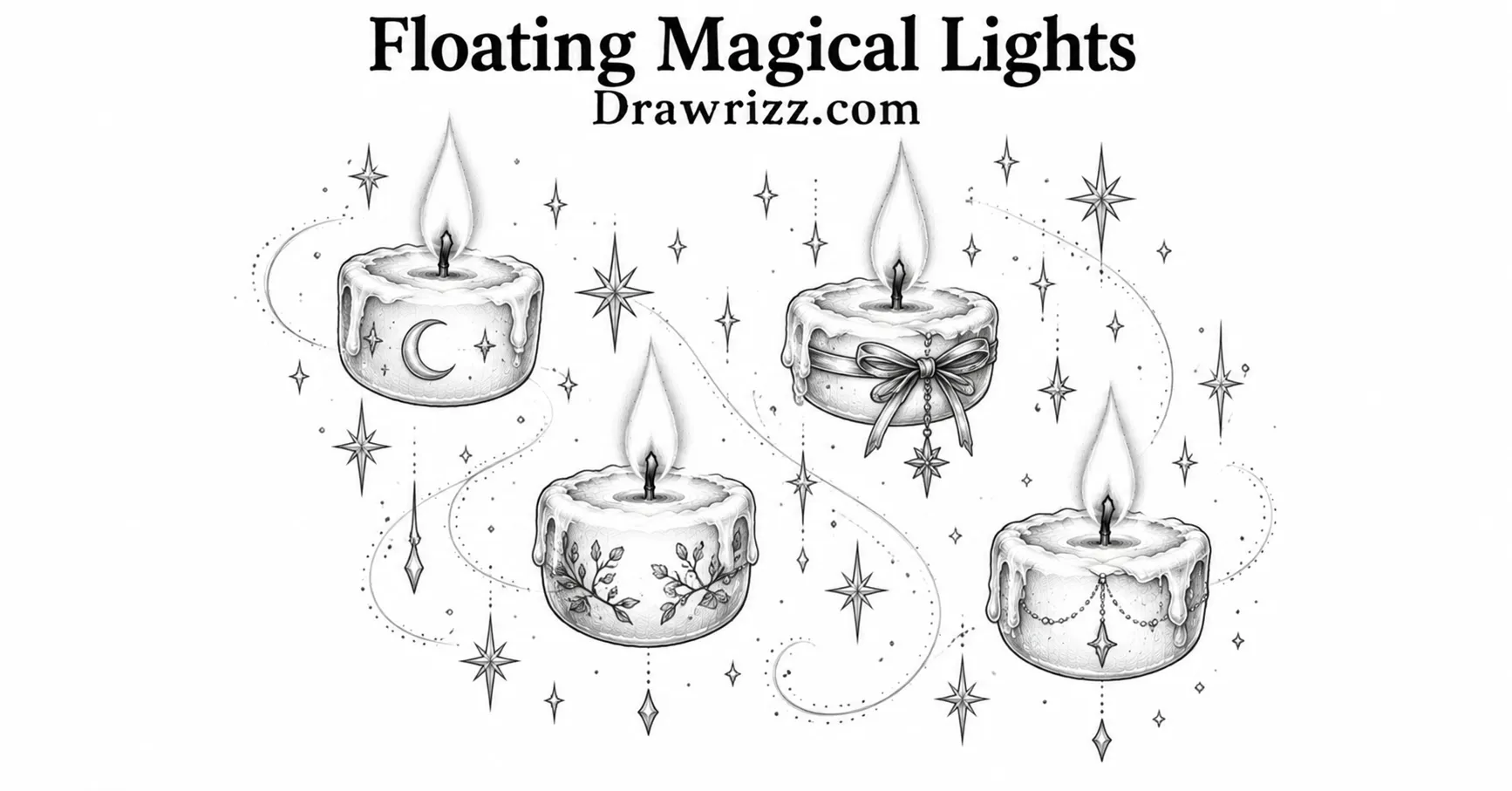
Sketch three or four small glowing forms at different heights with tiny stars around them. Leaving visible space between each object helps create the illusion that they are floating. This concept is useful for fantasy illustrations and magical journal themes.
32. Hands Holding a Light
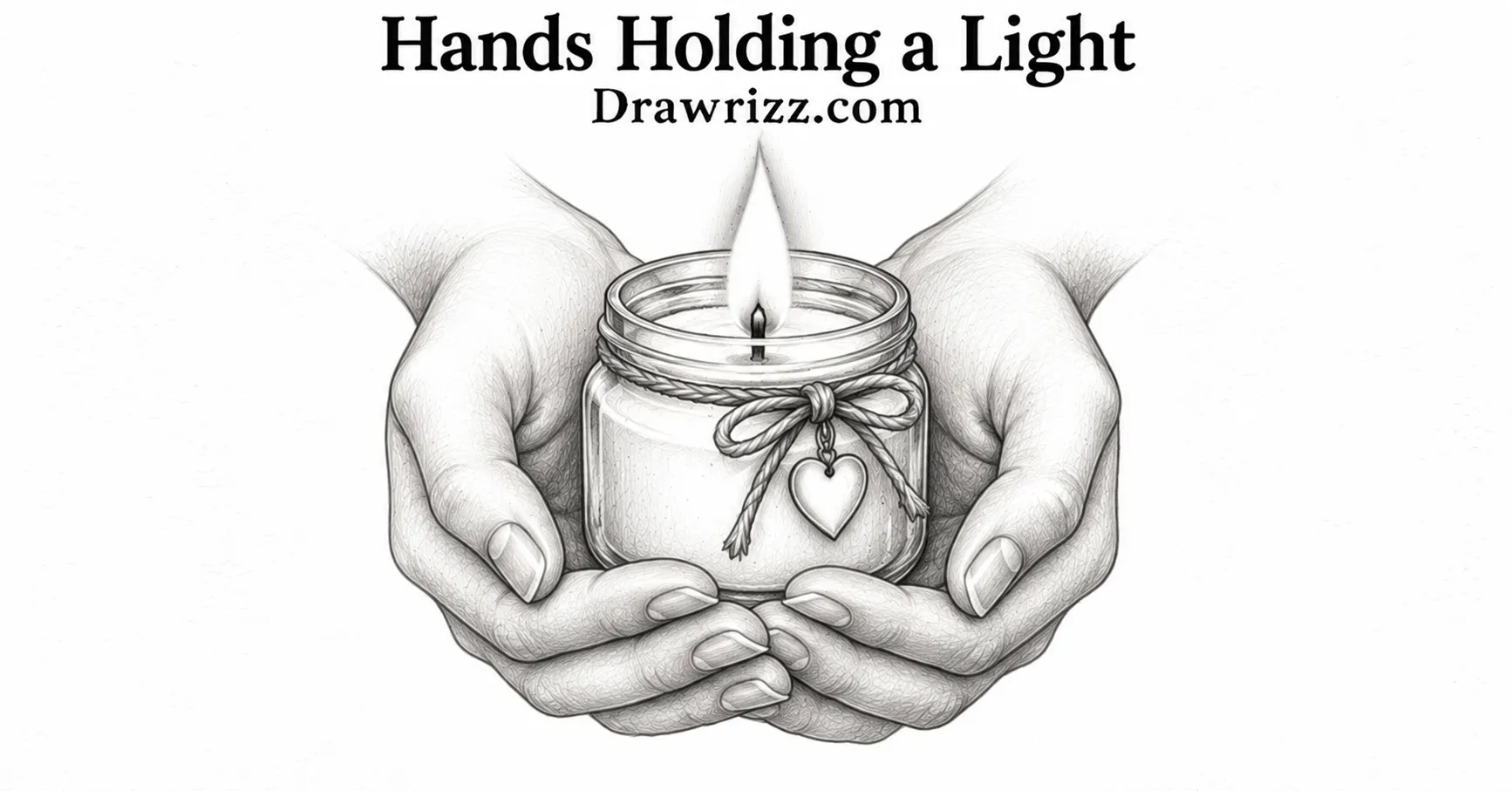
Draw two simplified hands gently cupping a small jar or wax form. Start with the central object and build the fingers around it rather than attempting the hands first. This composition introduces figure practice while maintaining a clear focal point.
33. Holiday Pine Arrangement

Surround a central taper with pine sprigs, berries, and a small bow. Keep the seasonal decorations low around the base so the flame remains the highest point. This creates a balanced winter composition that works well for holiday cards.
34. Peaceful Meditation Scene
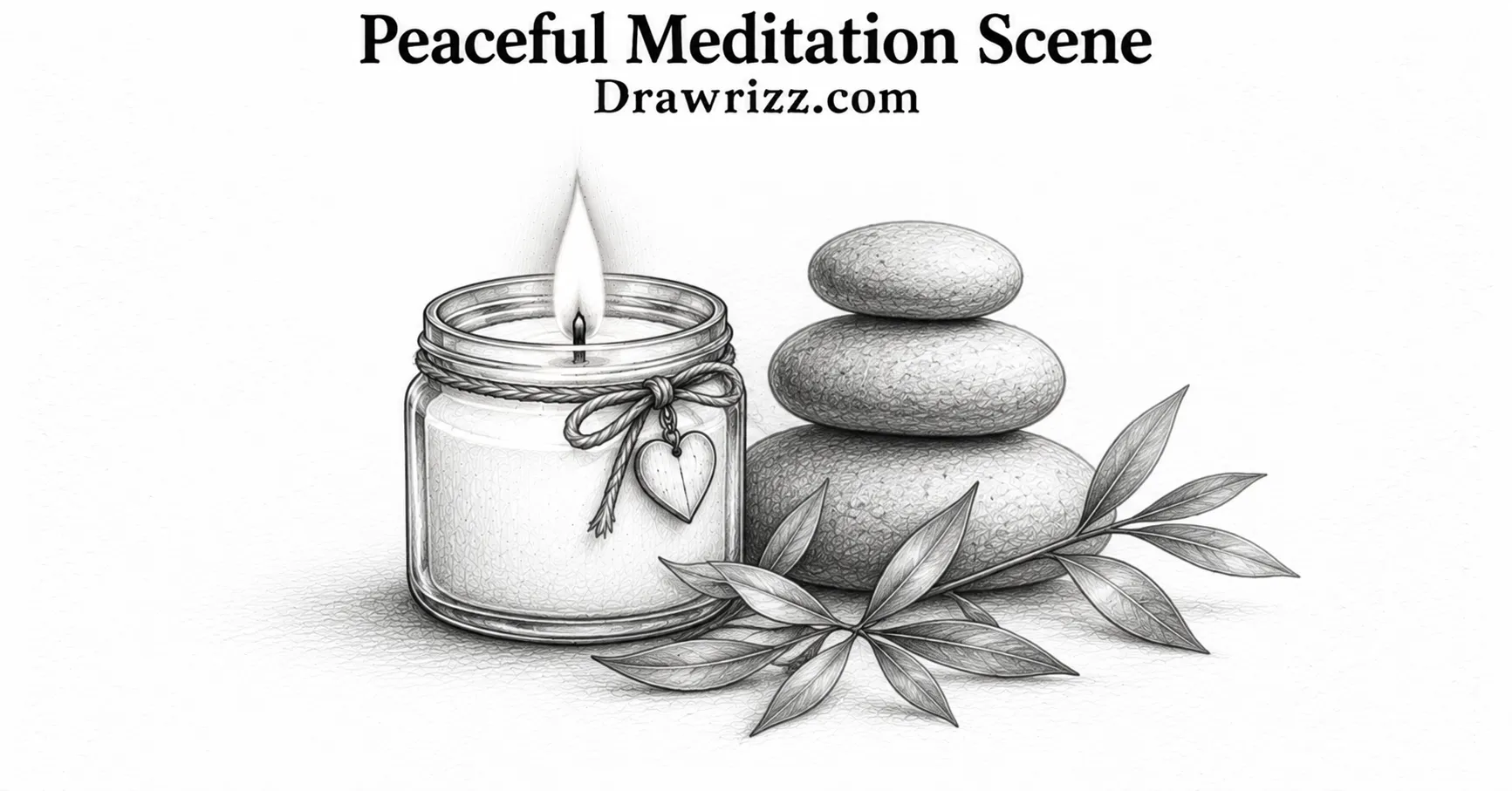
Draw a small glowing jar beside a few smooth stacked stones and minimal leaves. Horizontal shadows beneath the objects can create a grounded, tranquil composition. Avoid excessive details so the scene maintains its calm visual character.
35. Magical Forest Glow
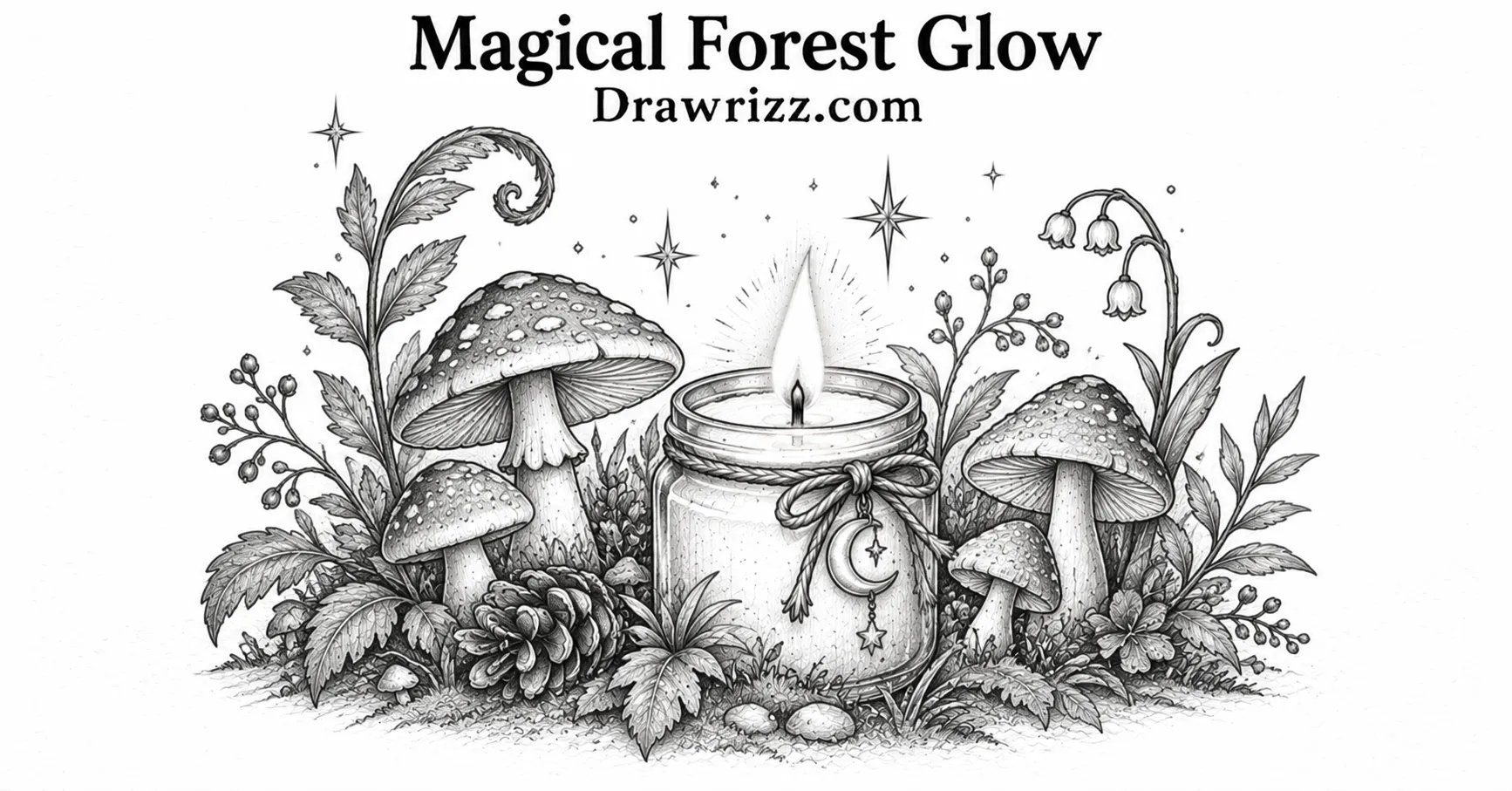
Finish with a more imaginative scene featuring a small glowing wax form among mushrooms, leaves, tiny stars, and curved forest plants. Keep the surrounding details lighter than the central subject so the composition has a clear focal point. This idea combines several easy elements into one charming fantasy illustration.
Simple Tips for Better Flame and Wax Sketches
Start with light construction lines instead of pressing hard with the pencil immediately. A flame usually looks more natural when the two sides are not perfectly identical, while melted edges become more believable when the drips vary in length and width.
For three-dimensional forms, keep one side slightly darker and preserve a narrow highlight through the center. When drawing glass, use fewer lines rather than outlining every reflection. For decorative pieces, choose one main detail—such as flowers, stars, ribbons, or crystals—rather than filling every empty area.
You can also vary the viewpoint. A straight front view is easiest for beginners, while a slightly elevated angle reveals the melted surface around the wick. Once basic shapes feel comfortable, combine them with books, windows, plants, seasonal objects, or simple backgrounds to develop complete illustrations.
Final Thoughts
Candle Drawing Ideas are useful when you want a subject that can move easily between simple line art, cute doodles, realistic pencil studies, cozy still lifes, and imaginative fantasy scenes. Begin with the easiest silhouette, then experiment with wax drips, unusual flames, decorative holders, botanical details, or surrounding objects as your confidence grows.
There is no need to make every line perfectly symmetrical. Small irregularities often make wax, flames, smoke, and handmade details feel more natural. Choose one of these 35 concepts, open your sketchbook, and turn a simple source of light into artwork that reflects your own style.