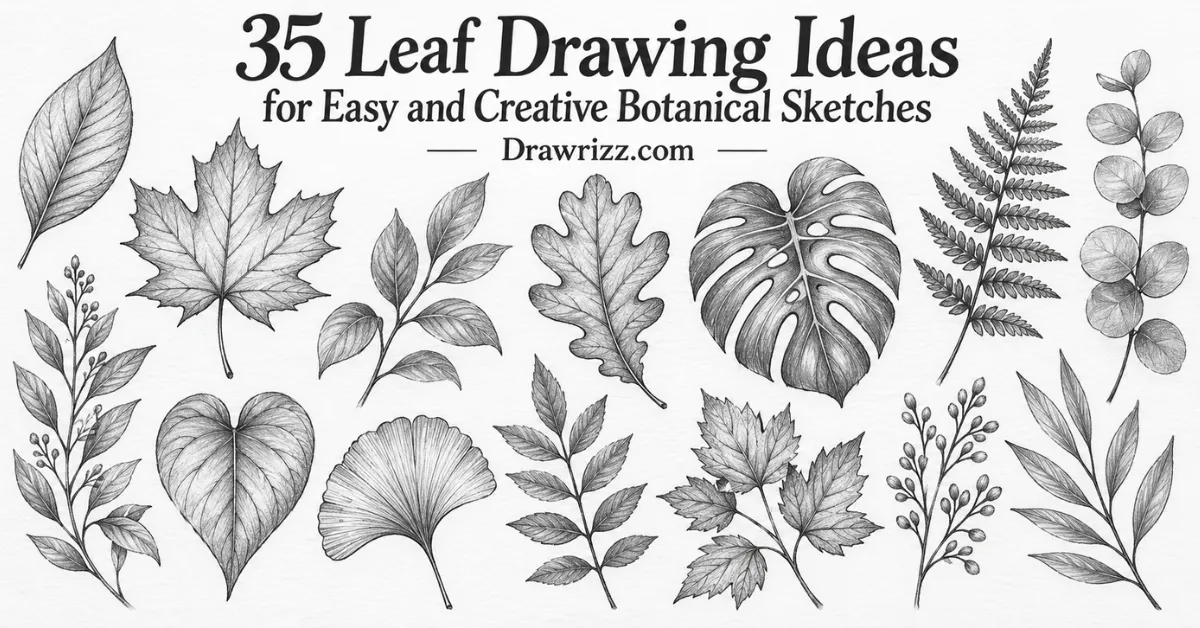
Leaf Drawing Ideas are a relaxing way to explore nature-inspired art while practicing outlines, curves, texture, veins, and pencil shading. From clean botanical forms to tropical plants and autumn-inspired designs, these sketches offer plenty of variety without requiring complicated techniques. Beginners can start with basic silhouettes, while more experienced artists can experiment with fine details, mandala patterns, and realistic graphite work.
Whether you are filling a sketchbook, creating nature-themed journal art, or simply looking for a calm drawing exercise, the collection below gives you 35 different concepts to explore.
Easy Leaf Drawing Ideas to Fill Your Sketchbook
You do not need complicated botanical knowledge to create interesting nature sketches. Start by observing the overall silhouette, then build the central vein, smaller details, edge variations, and texture. The following Leaf Drawing Ideas move from minimal outlines to decorative and realistic studies, giving beginners and artists plenty of options for everyday sketching.
1. Simple Botanical Outline
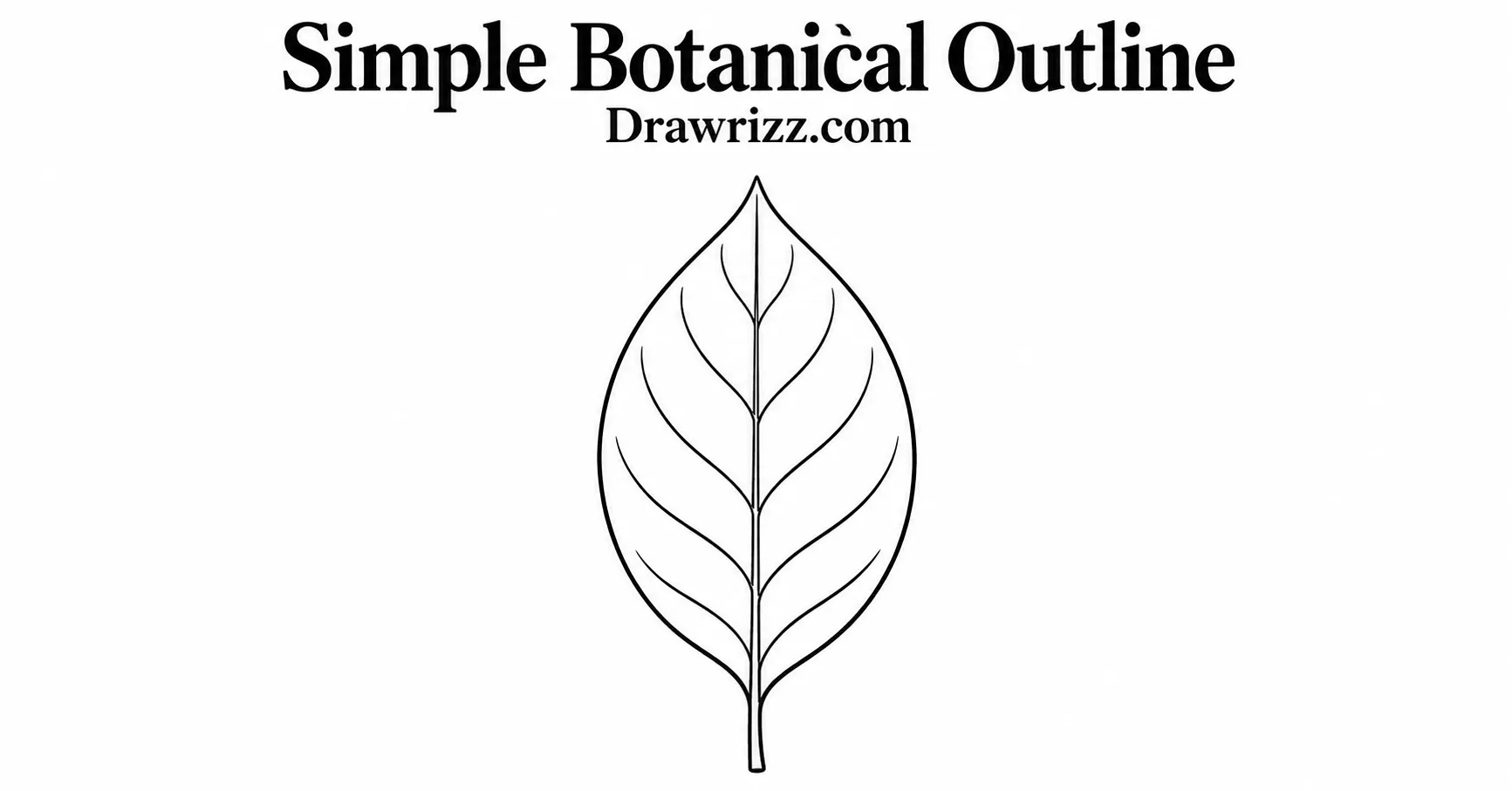
Begin with one smooth curved stem and create an elongated oval shape that narrows gently toward the tip. Add a single center vein while keeping everything else minimal. This is a useful first exercise for practicing symmetry and confident linework.
2. Classic Maple Shape
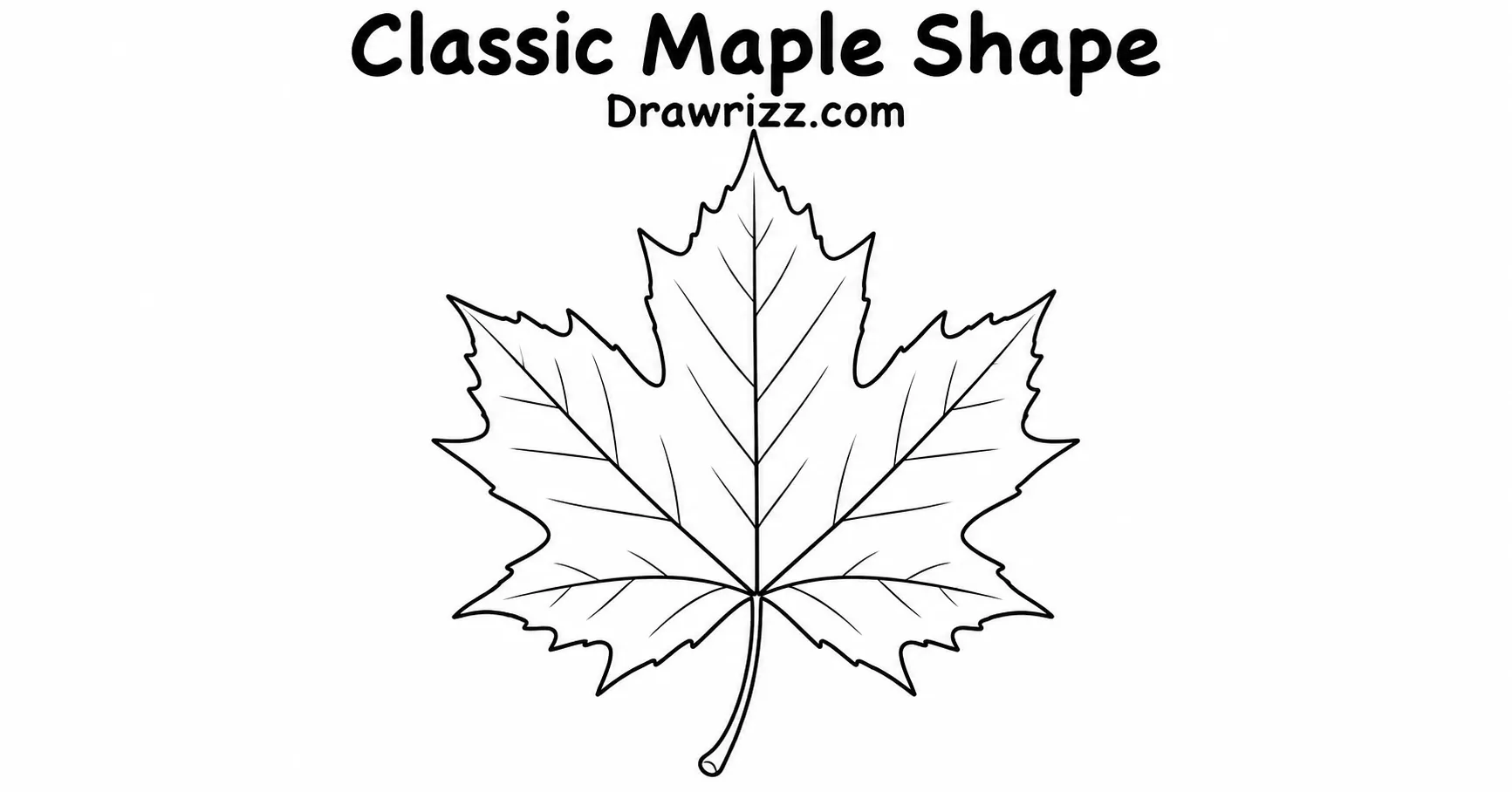
Try a recognizable five-lobed form with strong pointed sections radiating outward from the base. Light construction lines can help position each lobe before you refine the jagged outer contour and branching veins.
3. Rounded Oak Form
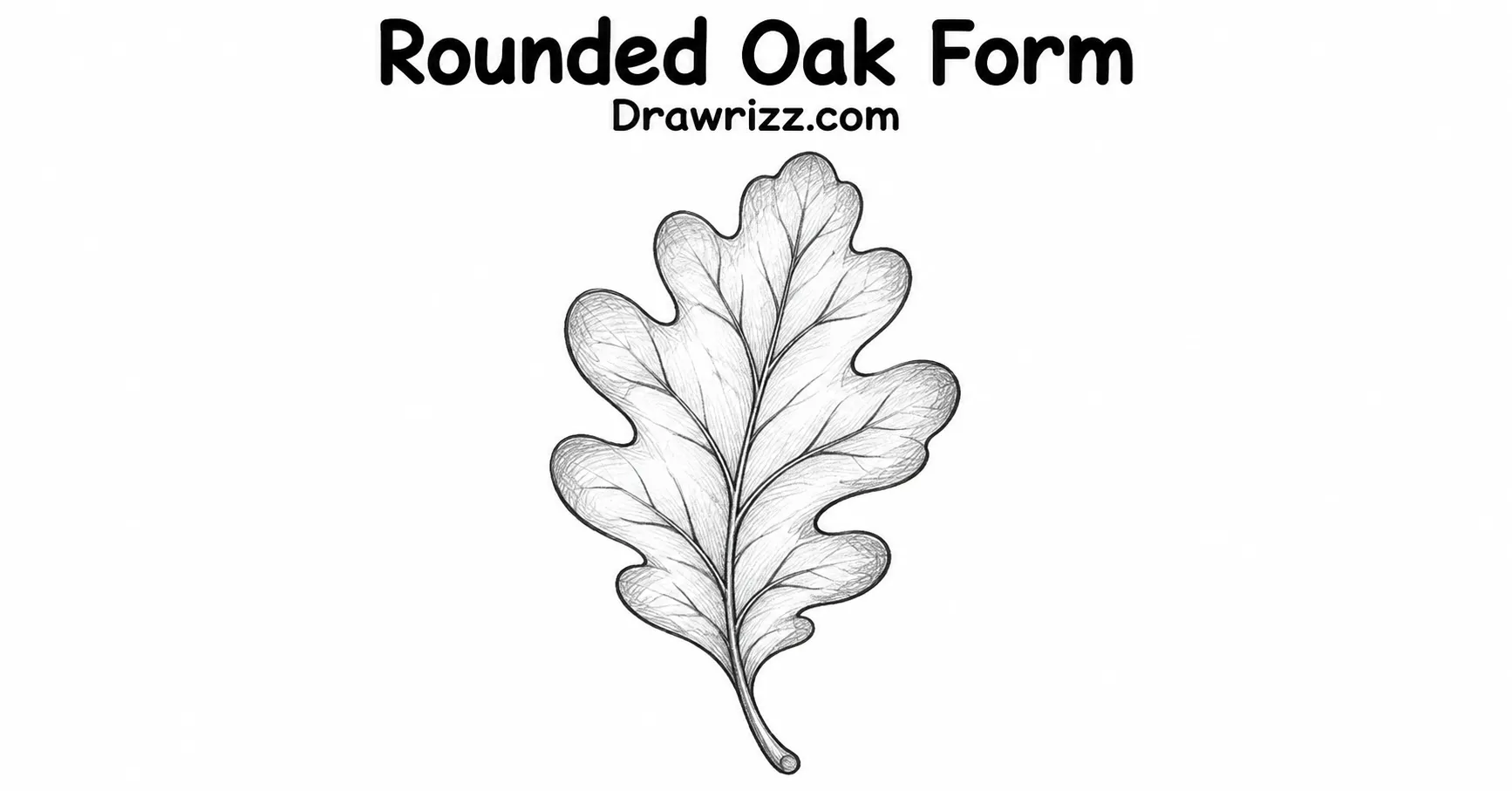
Use soft lobes instead of sharp points to create an oak-inspired silhouette. Let the sides curve inward and outward naturally rather than making both halves perfectly identical. A few branching veins can give the finished sketch more structure.
4. Tropical Monstera

Create a broad heart-like silhouette before adding the characteristic openings and deep splits. Keep the cut sections uneven so the design feels organic rather than geometric.
5. Delicate Fern Frond
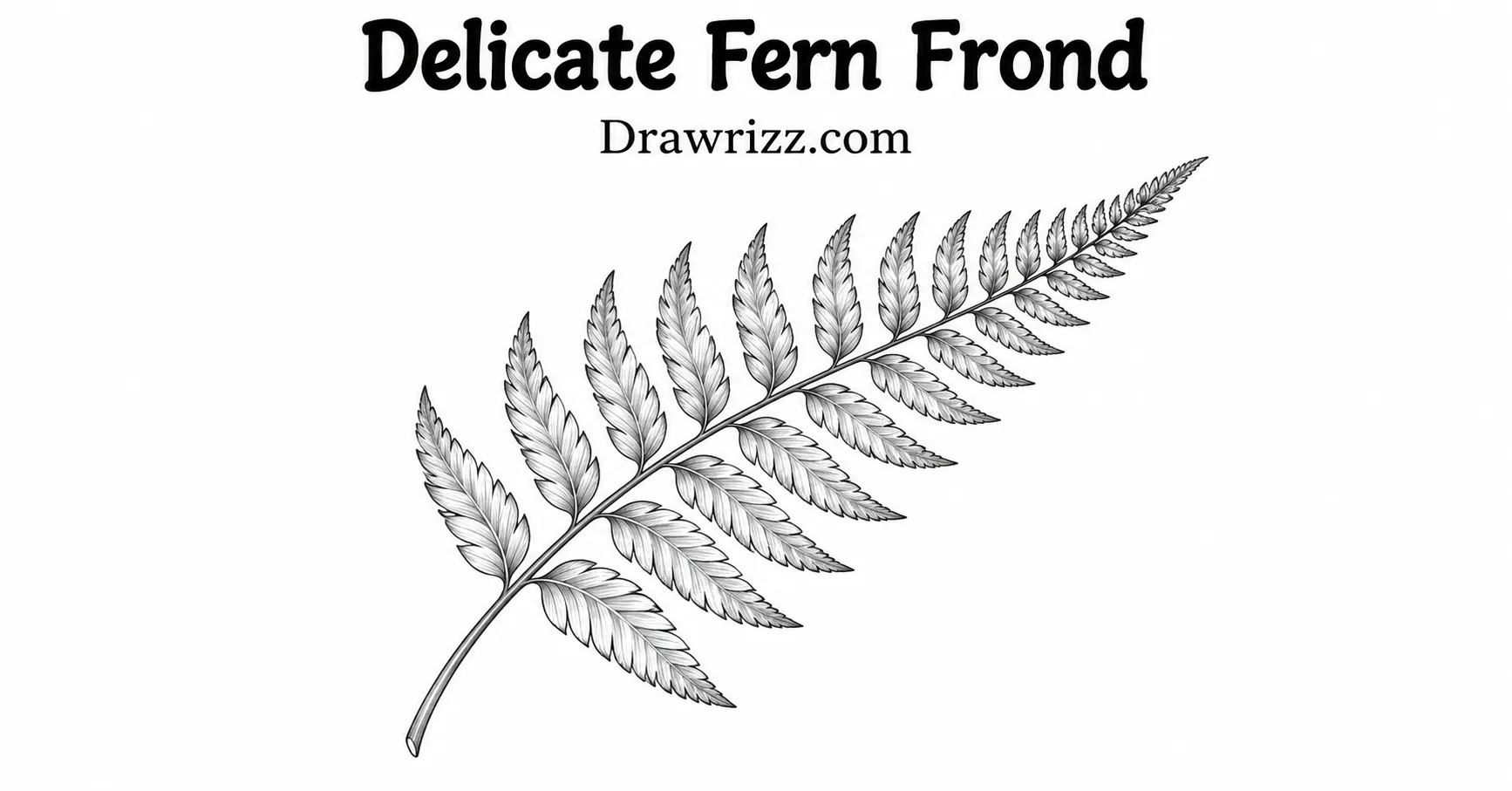
Draw one gently curved central stem and arrange small narrow sections along both sides. Gradually reduce their size toward the tip to create the graceful taper associated with fern fronds.
6. Eucalyptus Sprig
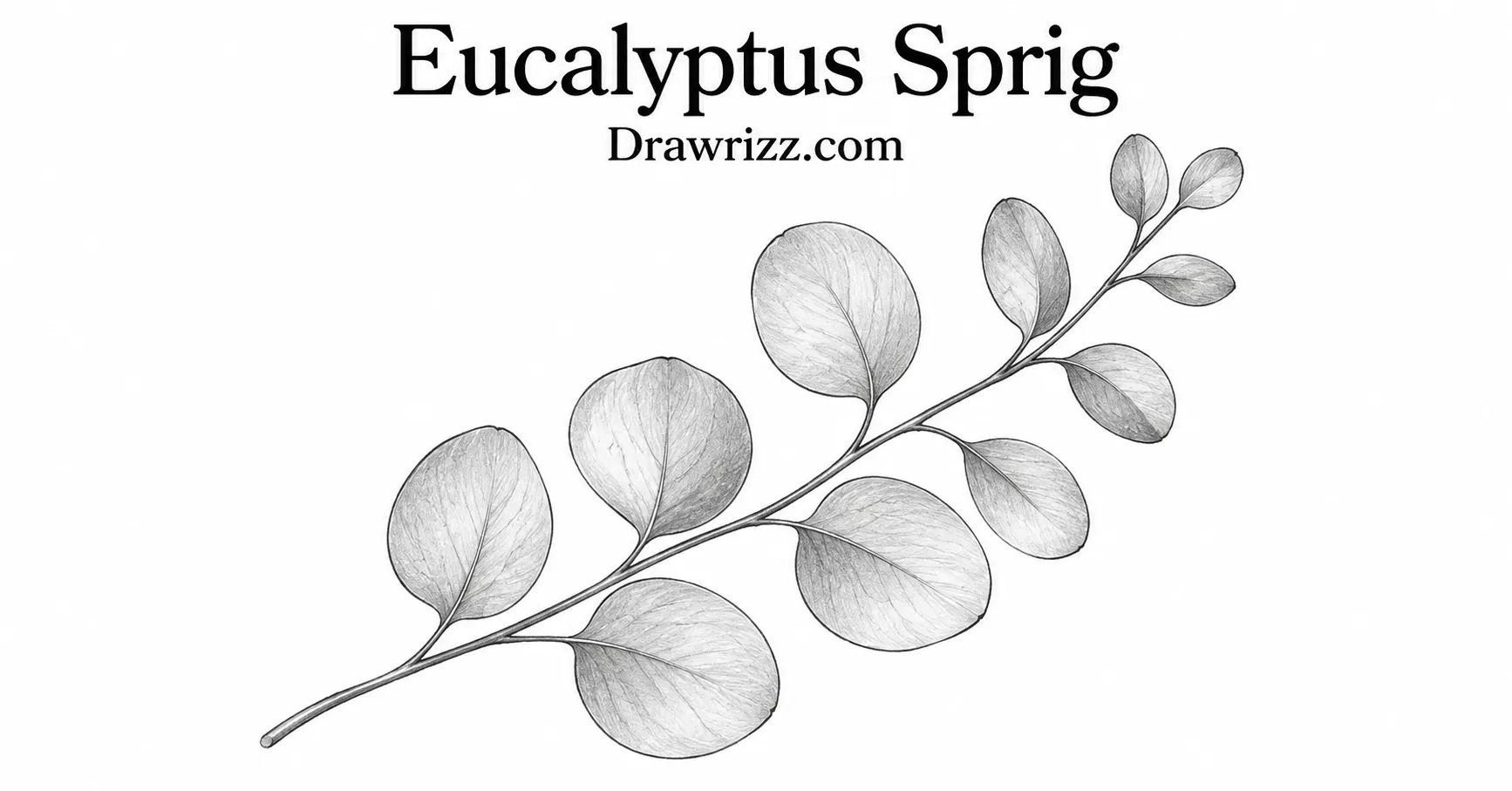
Sketch a thin branch with rounded forms placed at alternating angles. Slight overlaps and changes in size make the arrangement feel softer and more natural.
7. Autumn Fallen Form
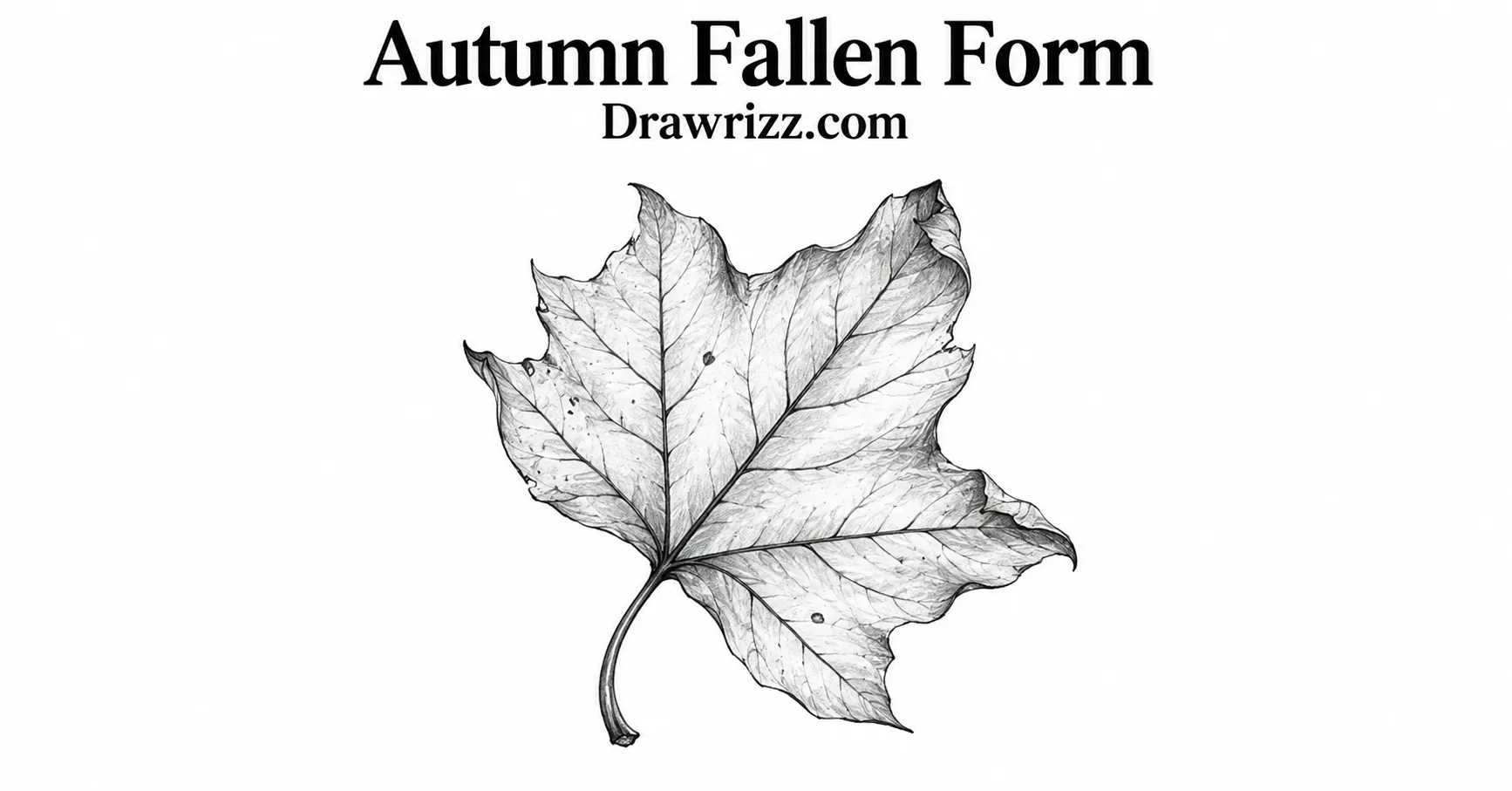
Give the edges a few curls, bends, and imperfections to suggest something that has fallen naturally from a tree. Light wrinkles and broken vein lines can add seasonal character without making the sketch too complex.
8. Heart-Shaped Botanical
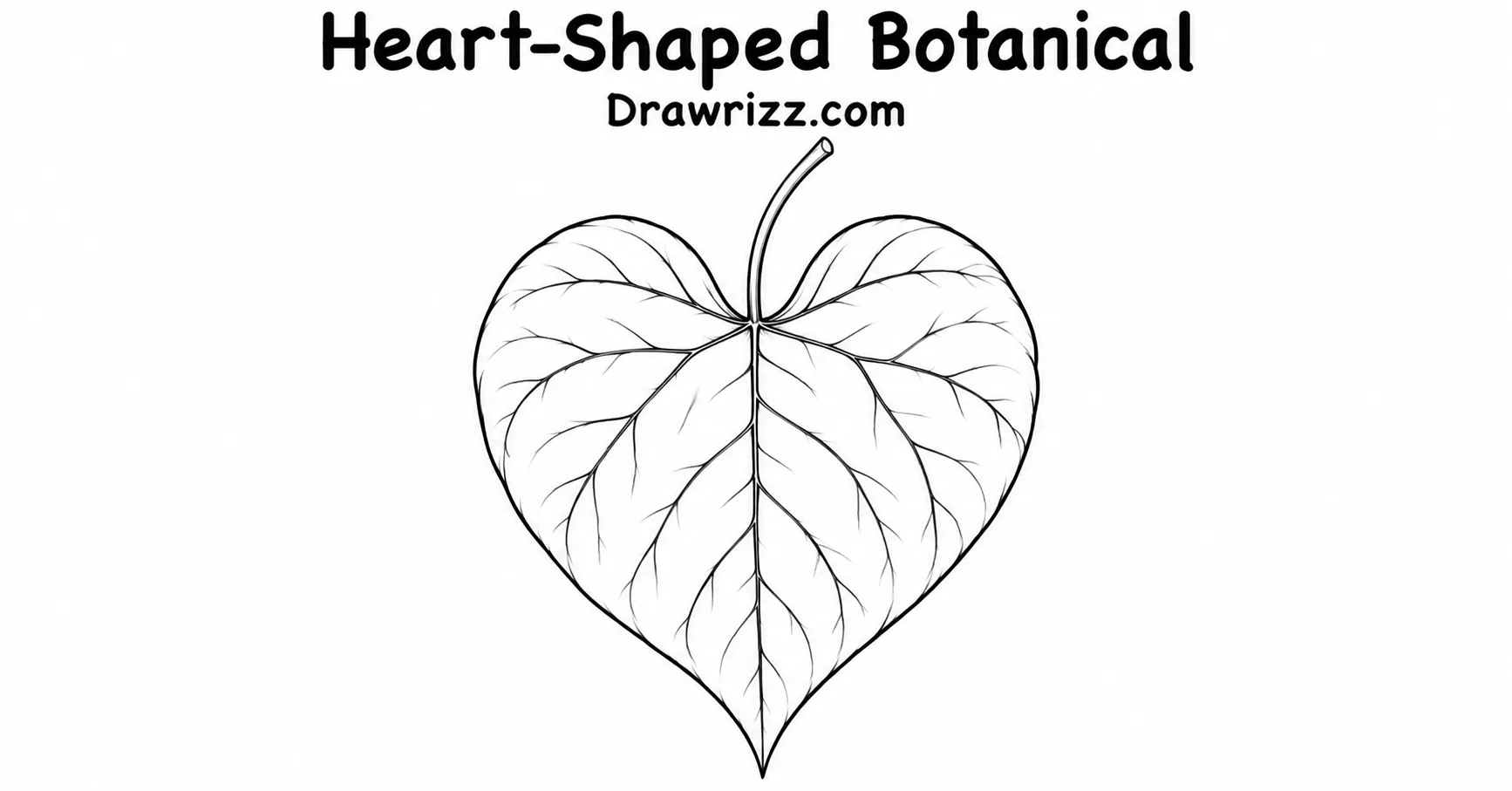
Start with a soft heart silhouette, then extend the bottom into a narrow stem. A curved central vein and a few smaller lines can turn this simple shape into an attractive nature study.
9. Long Willow Form
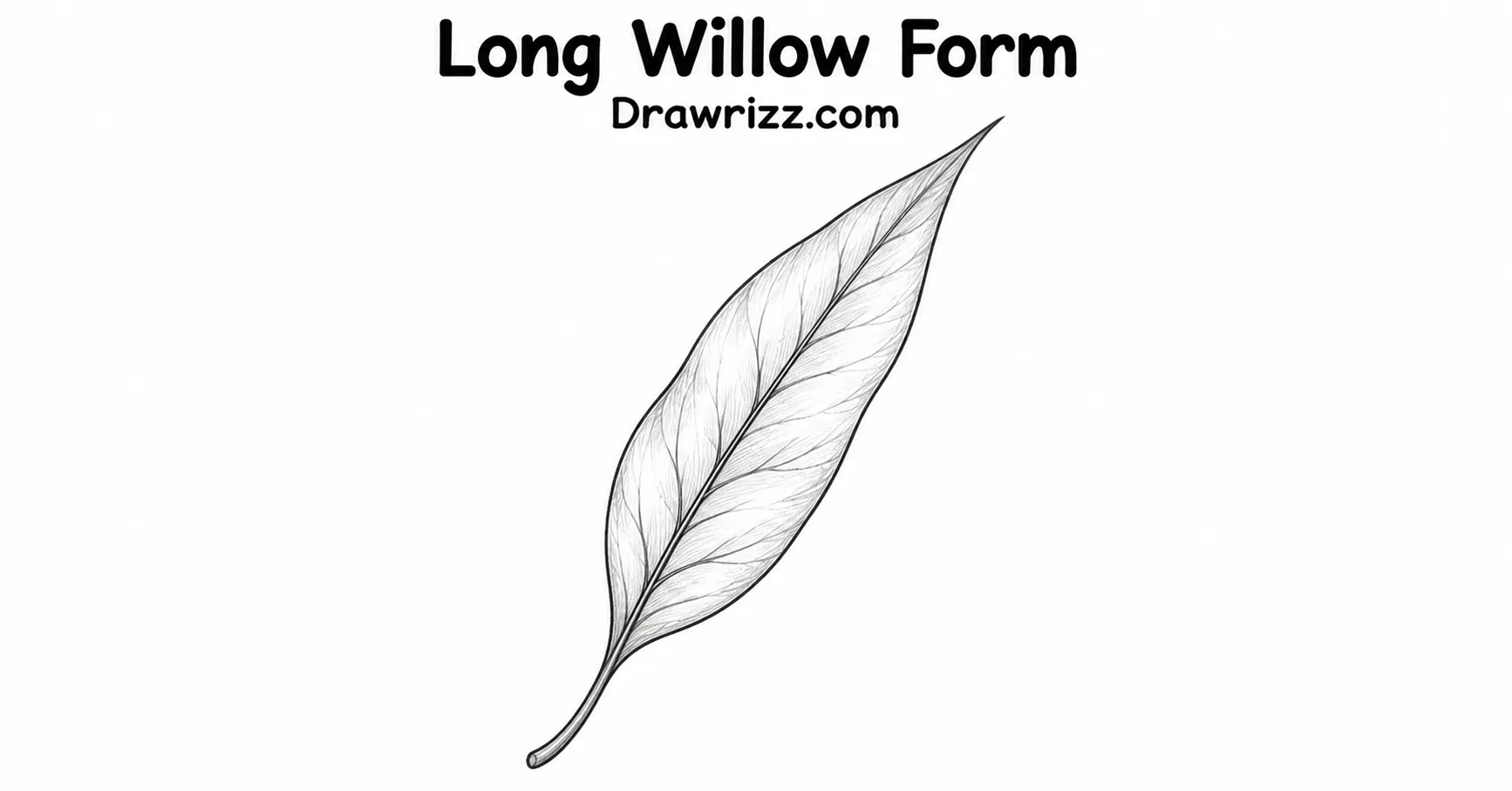
Use a slender curved shape with a narrow pointed end. Its simplicity makes it ideal for practicing smooth continuous lines and subtle directional shading.
10. Tiny Cute Doodle
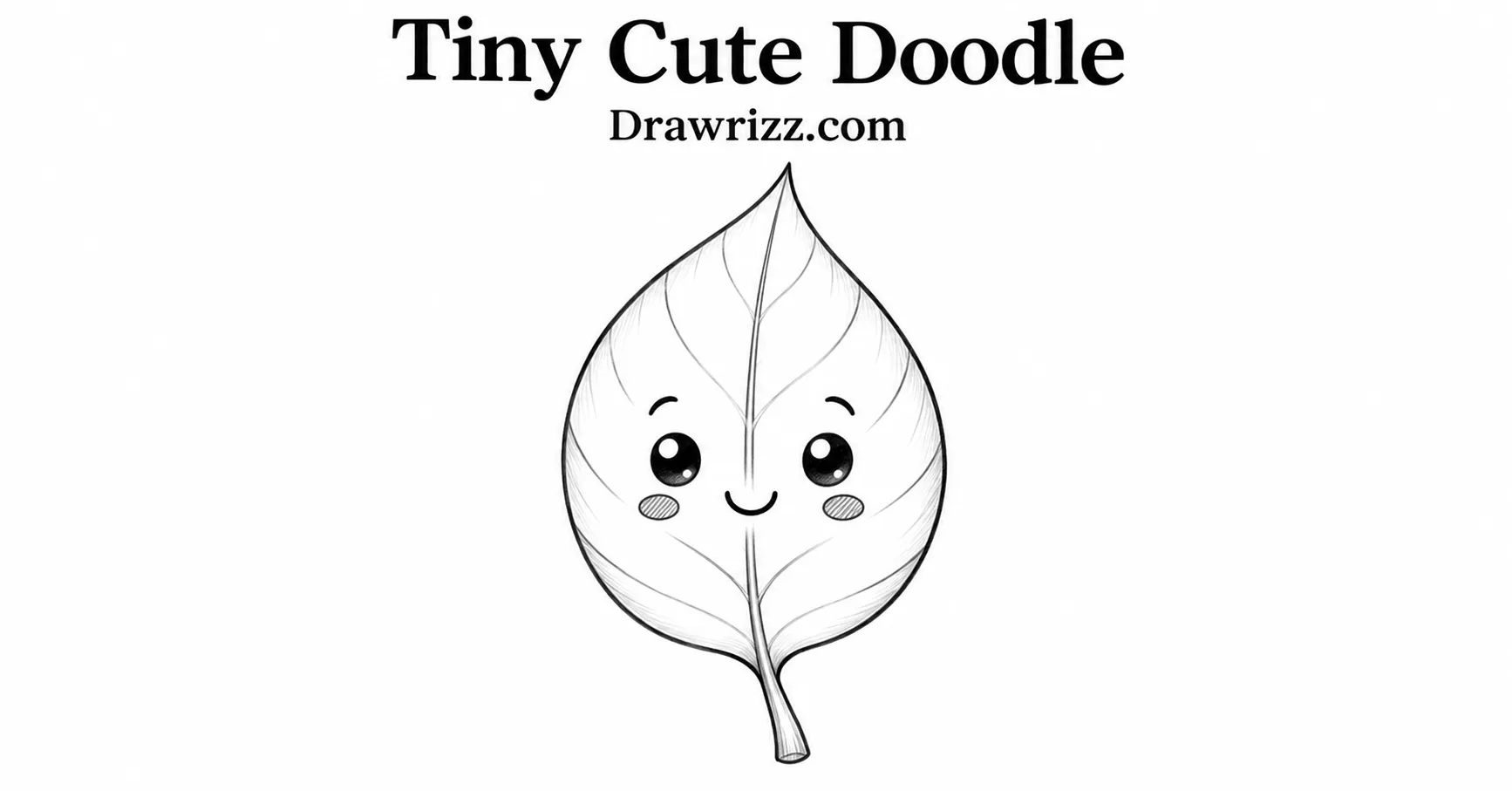
Turn a basic nature shape into a playful sketch by adding a tiny smiling face. Keep the outline rounded and simple so it works well for journals, notebooks, and beginner doodle pages.
11. Detailed Vein Study
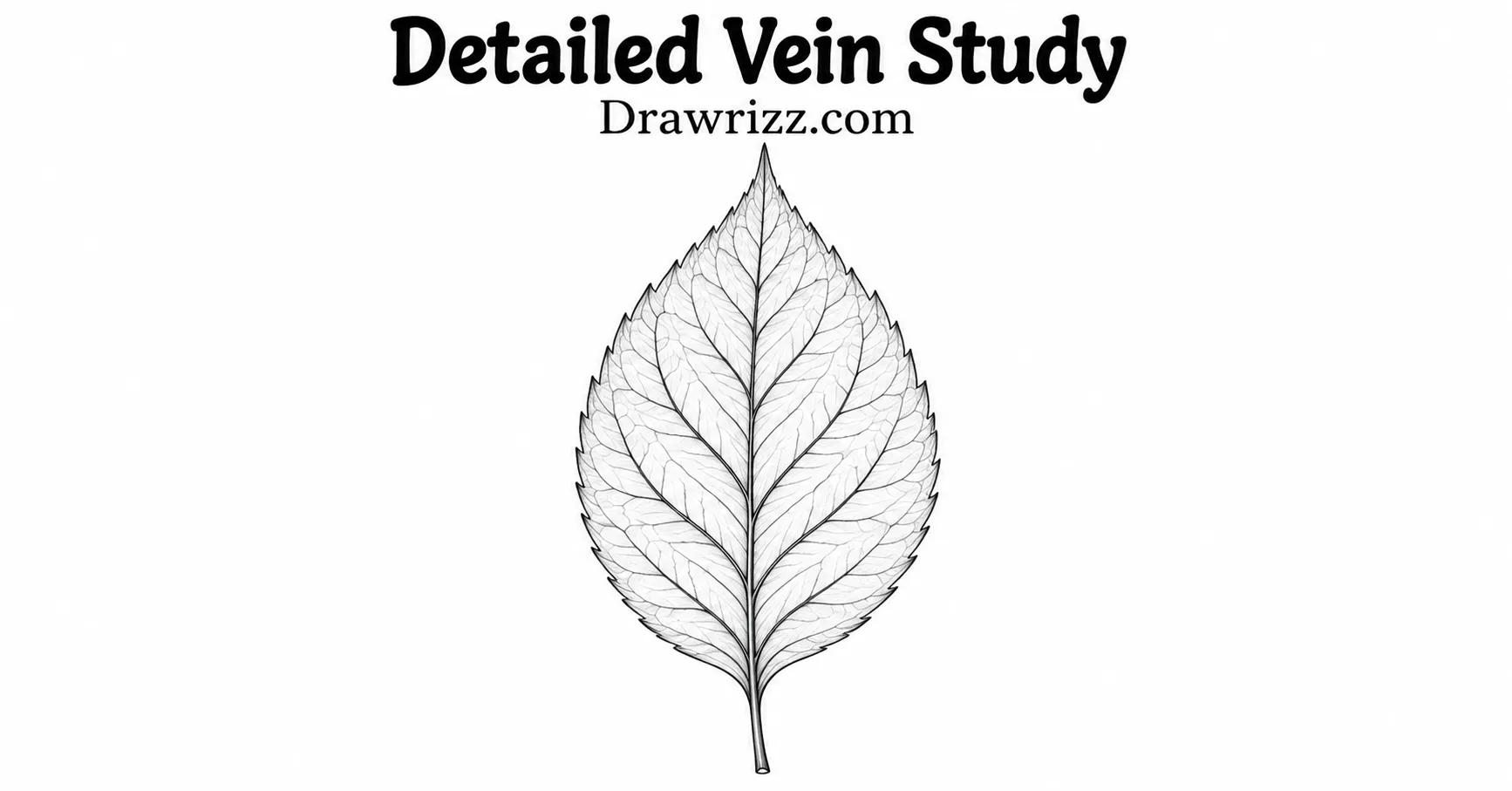
Focus less on the outer contour and more on the internal structure. Begin with a strong midrib, then branch smaller lines outward in repeating patterns to create a detailed botanical exercise.
12. Realistic Pencil Study
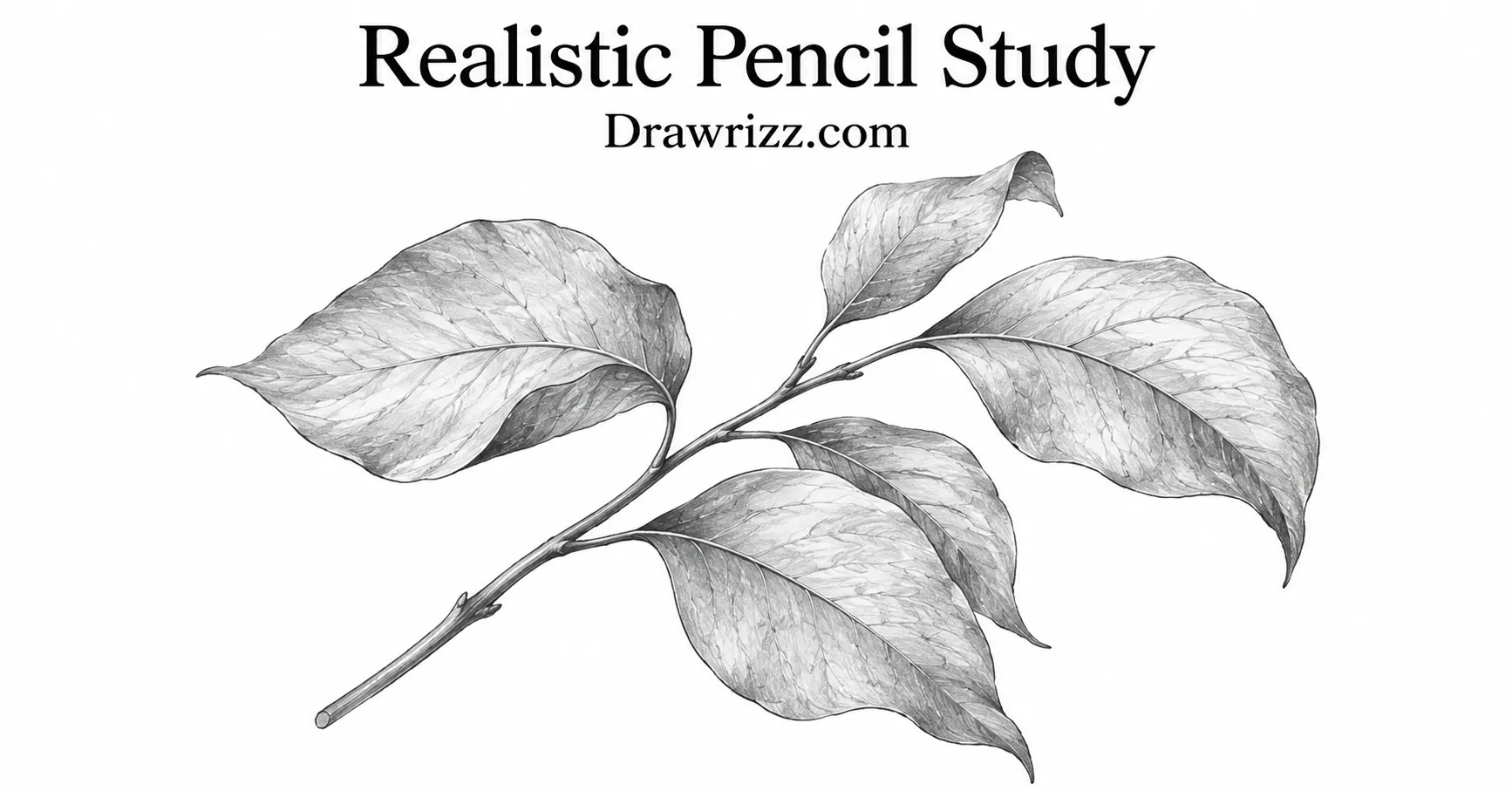
Choose a natural reference and pay attention to subtle bends, surface texture, uneven edges, and shadows. Gradually build graphite values rather than pressing hard from the beginning.
13. Minimal One-Line Design
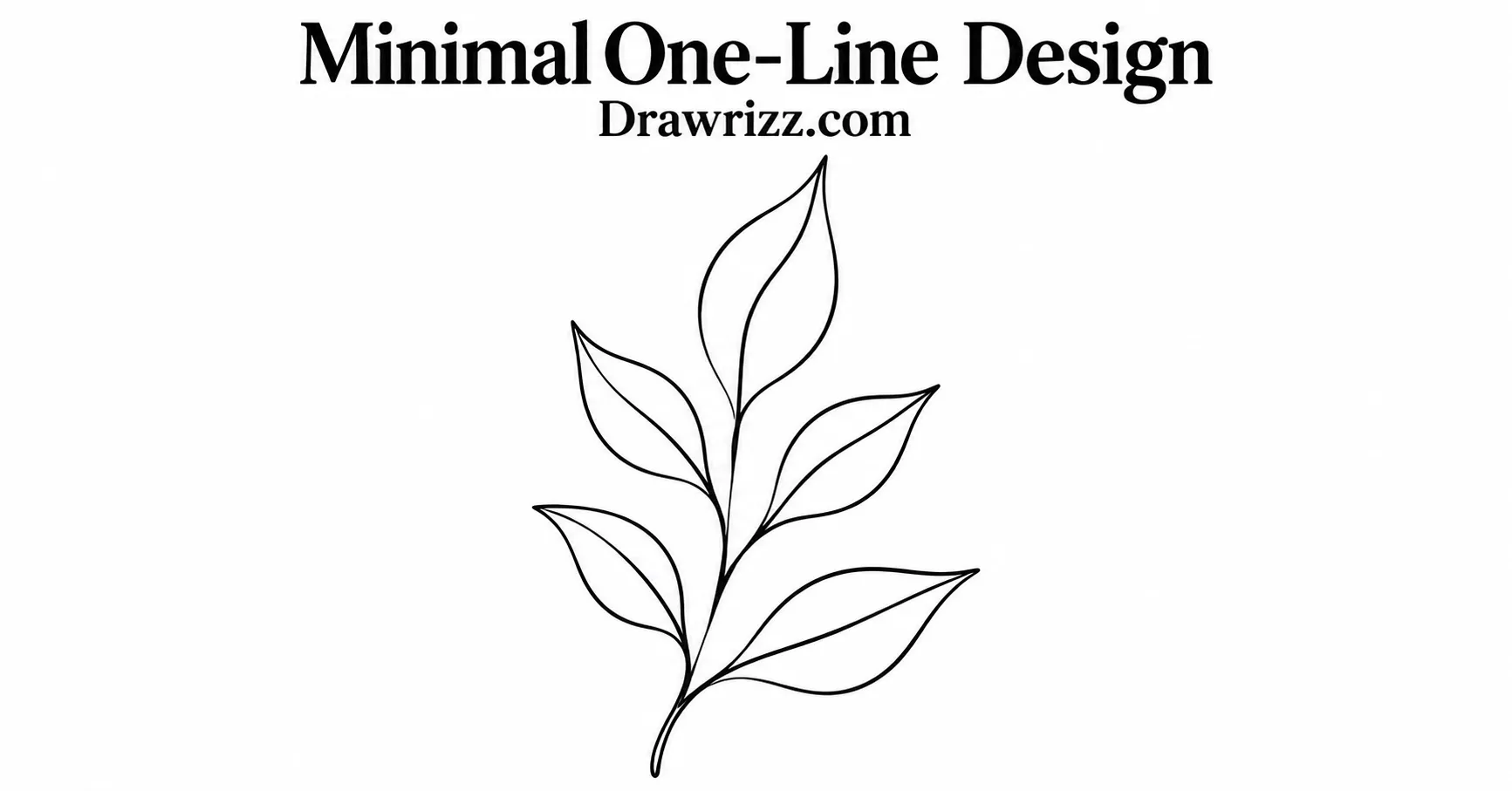
Challenge yourself to create the entire silhouette, stem, and basic inner structure using one flowing line. Do not worry about botanical accuracy; the goal is movement and visual simplicity.
14. Water Droplet Study
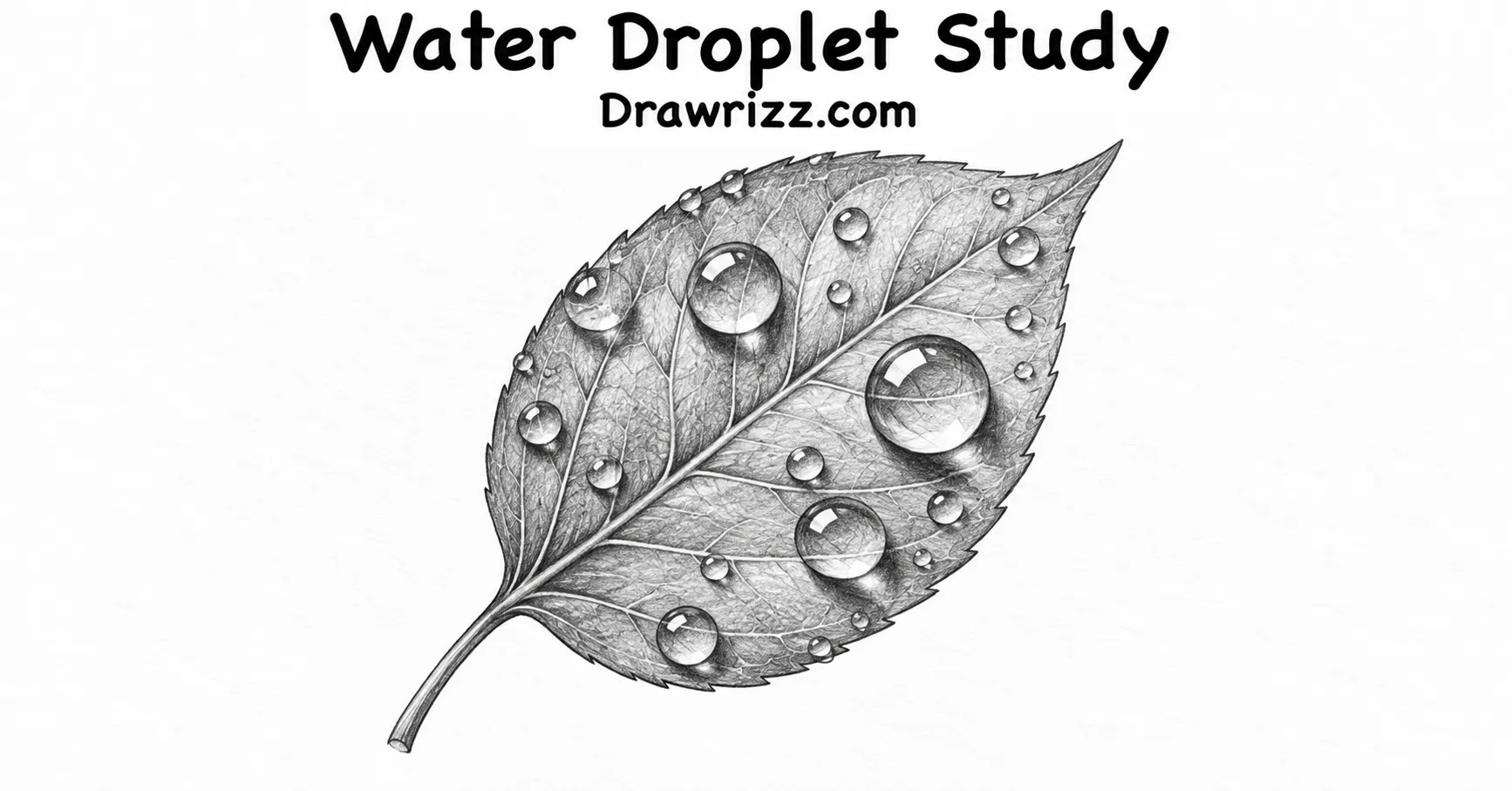
Add several round droplets across the surface and use tiny highlights with darker edges to suggest reflective water. The contrast between soft botanical texture and smooth droplets creates an interesting realism exercise.
15. Curled Dry Botanical
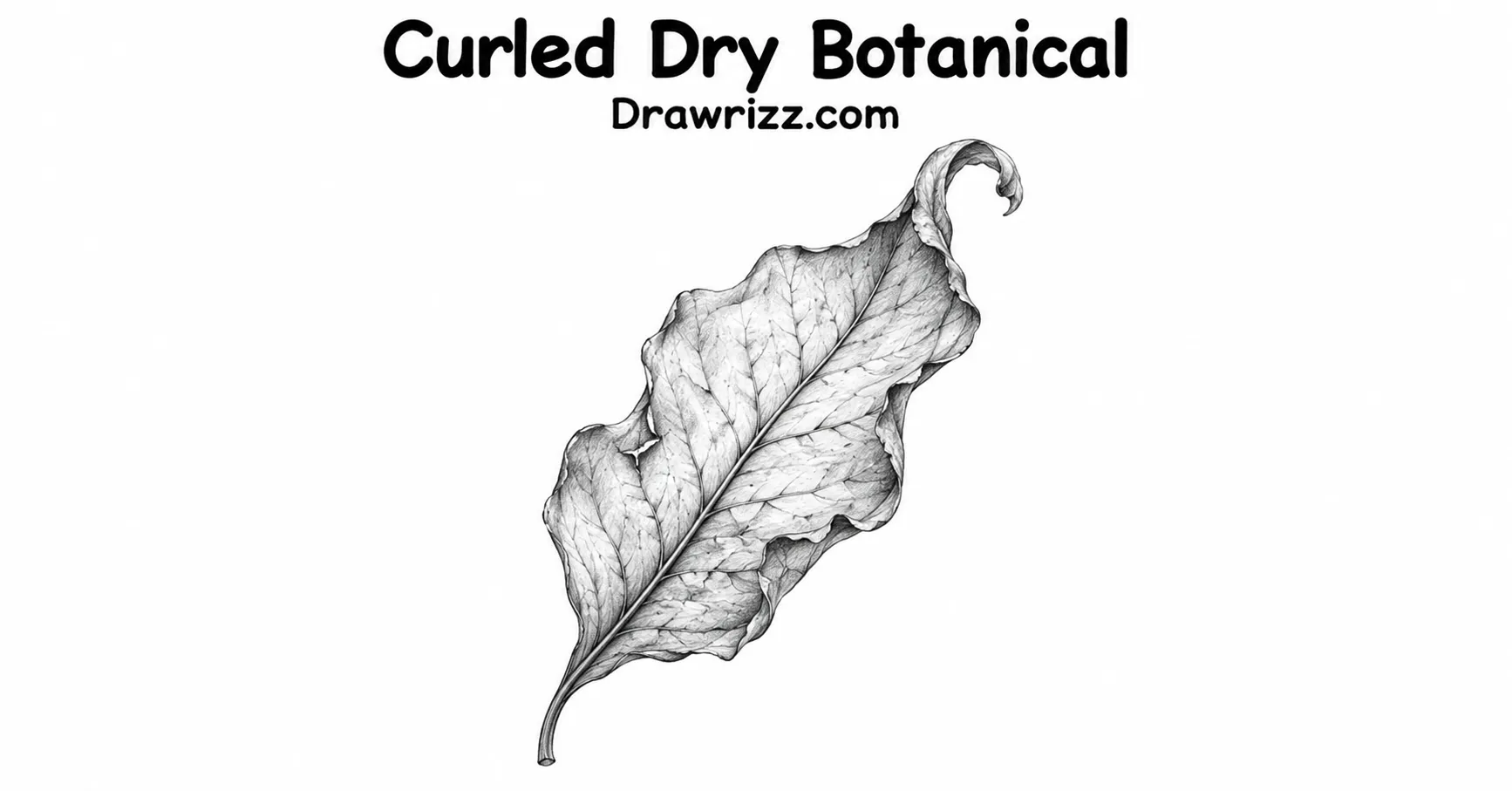
Sketch the edges folding inward and create small wrinkles around the central structure. Uneven contours and darker creases can make the subject appear dry and aged.
16. Small Branch With Foliage
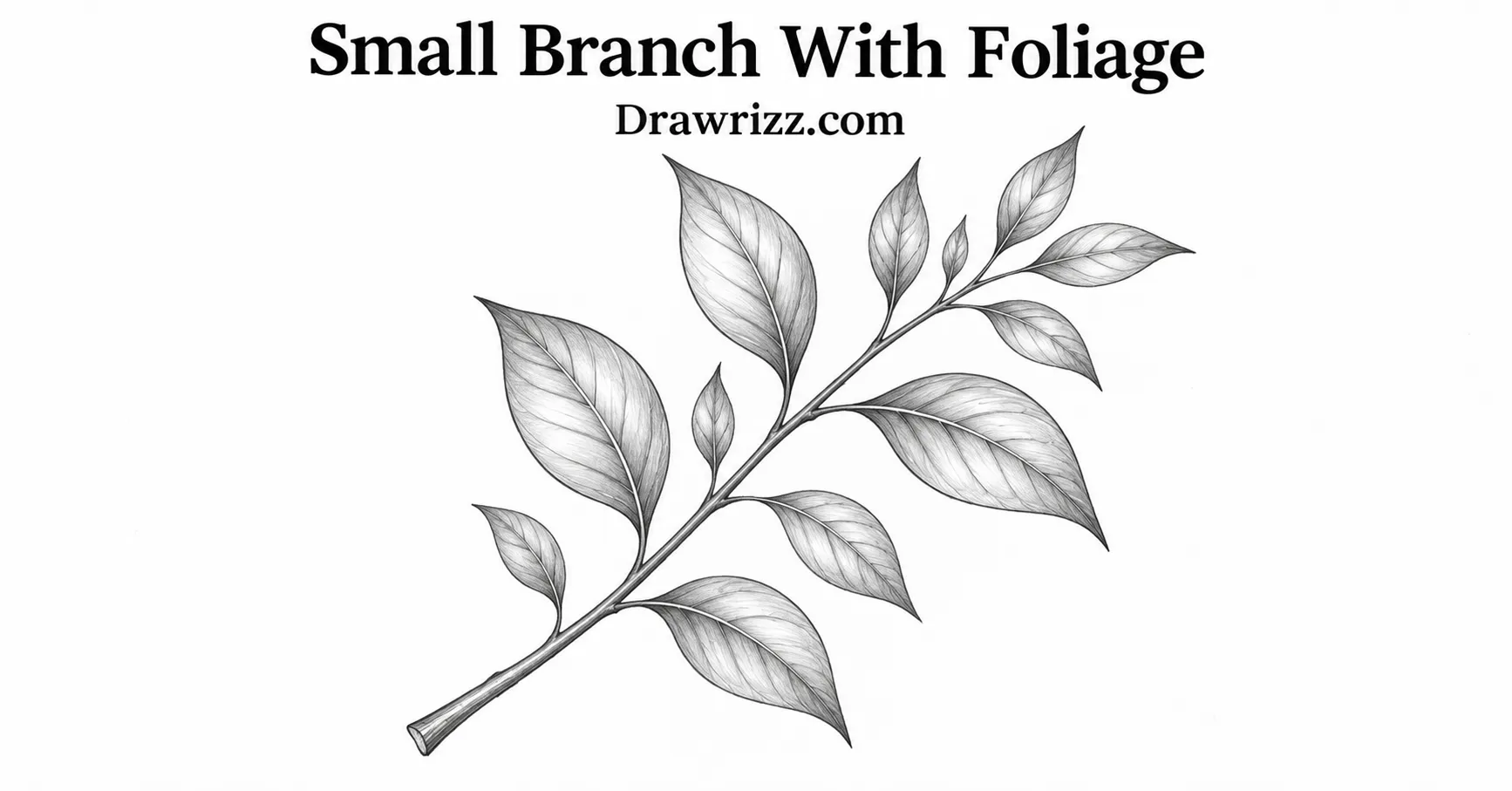
Draw a slightly curved twig and place several simple shapes along its length. Vary their direction and size to avoid making the arrangement look mechanically repeated.
17. Three-Shape Botanical Cluster
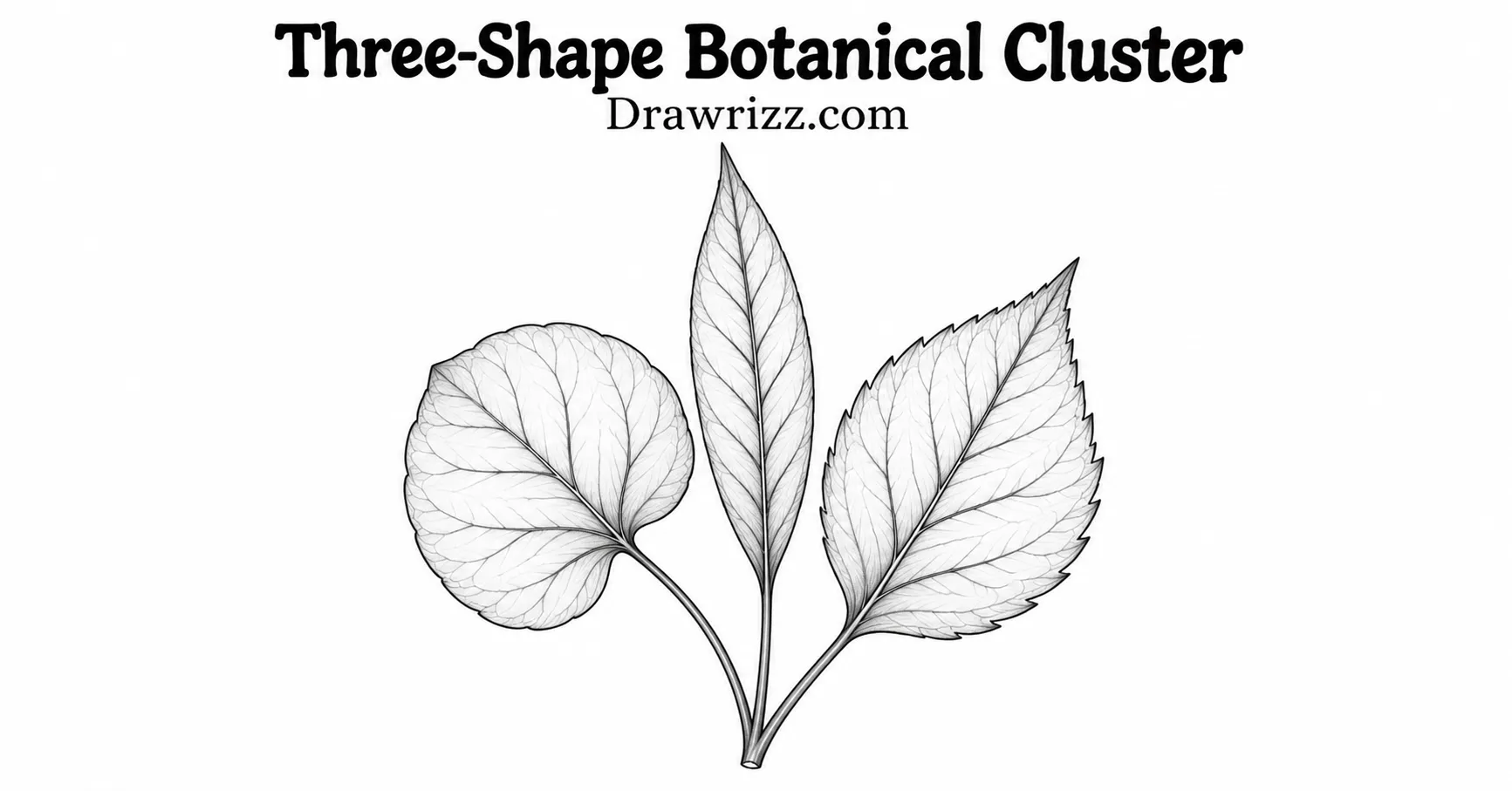
Arrange three different silhouettes together—one rounded, one narrow, and one pointed. This is a simple way to practice variety while creating a balanced mini composition.
18. Fall Cluster

Combine several seasonal shapes at different angles, allowing a few to overlap. Include curled corners and slight texture changes to create the feeling of a collection gathered from the ground.
19. Botanical Wreath

Build a light circular guideline and arrange small branches around it. Alternate the direction of the stems while leaving enough open space in the center for a clean decorative composition.
20. Decorative Pattern Fill
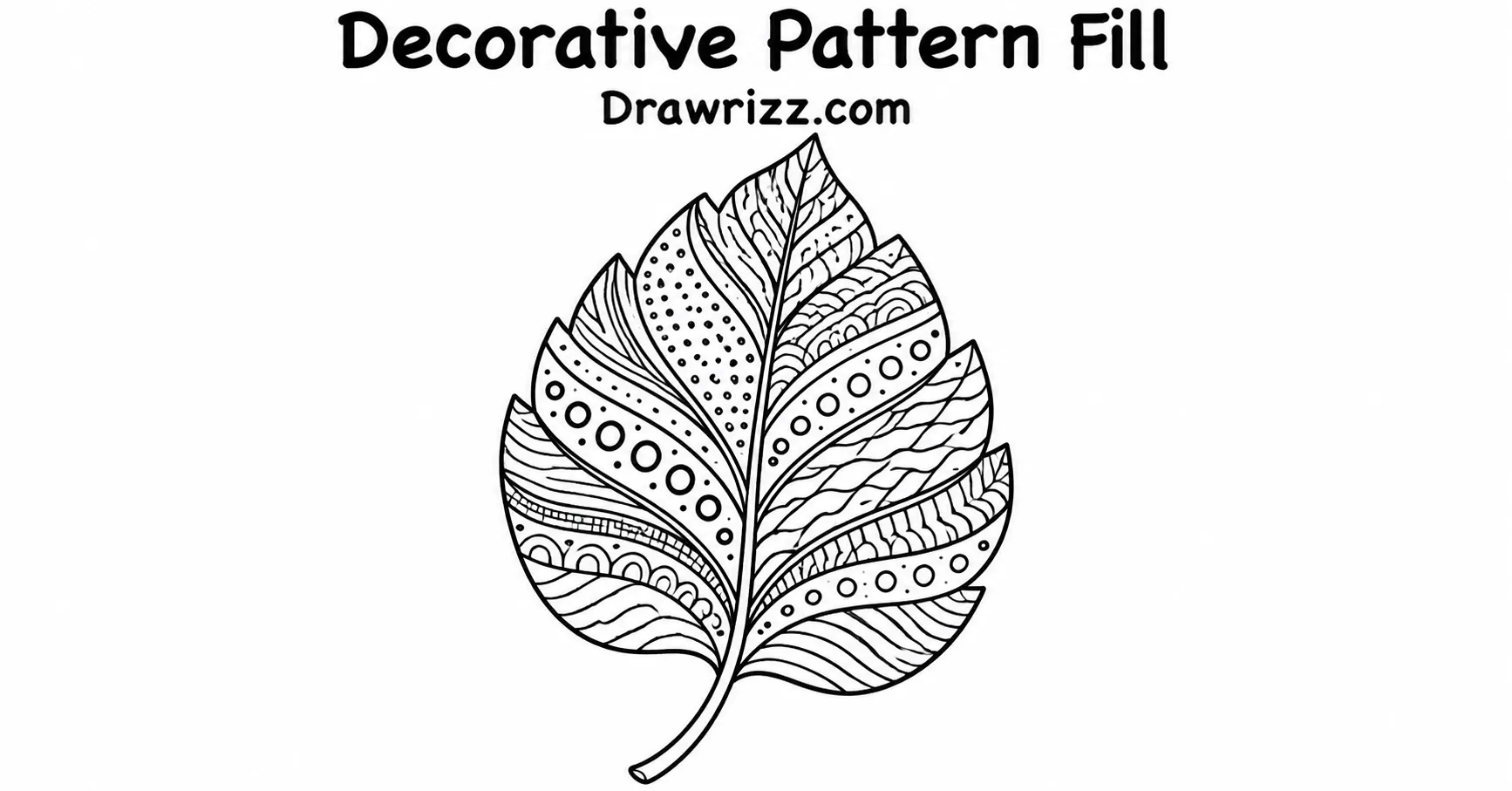
Instead of realistic veins, fill the interior with stripes, dots, waves, or small geometric marks. This transforms a natural silhouette into a relaxing pattern-art exercise.
21. Zen-Inspired Pattern
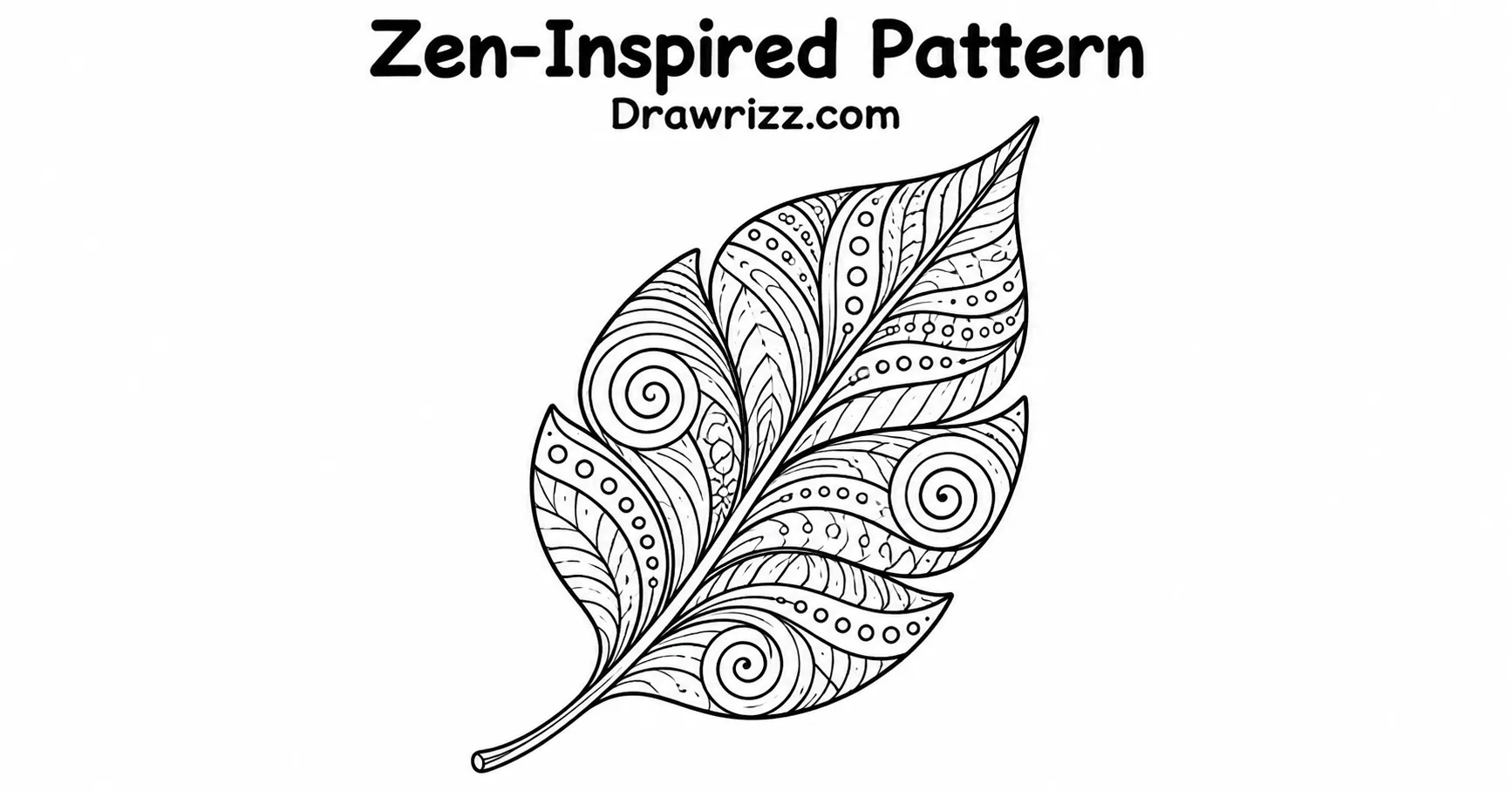
Divide the interior into several sections and give each area its own repeating motif. Fine lines, spirals, dots, and curved bands can turn a basic nature form into intricate meditative artwork.
22. Geometric Nature Design
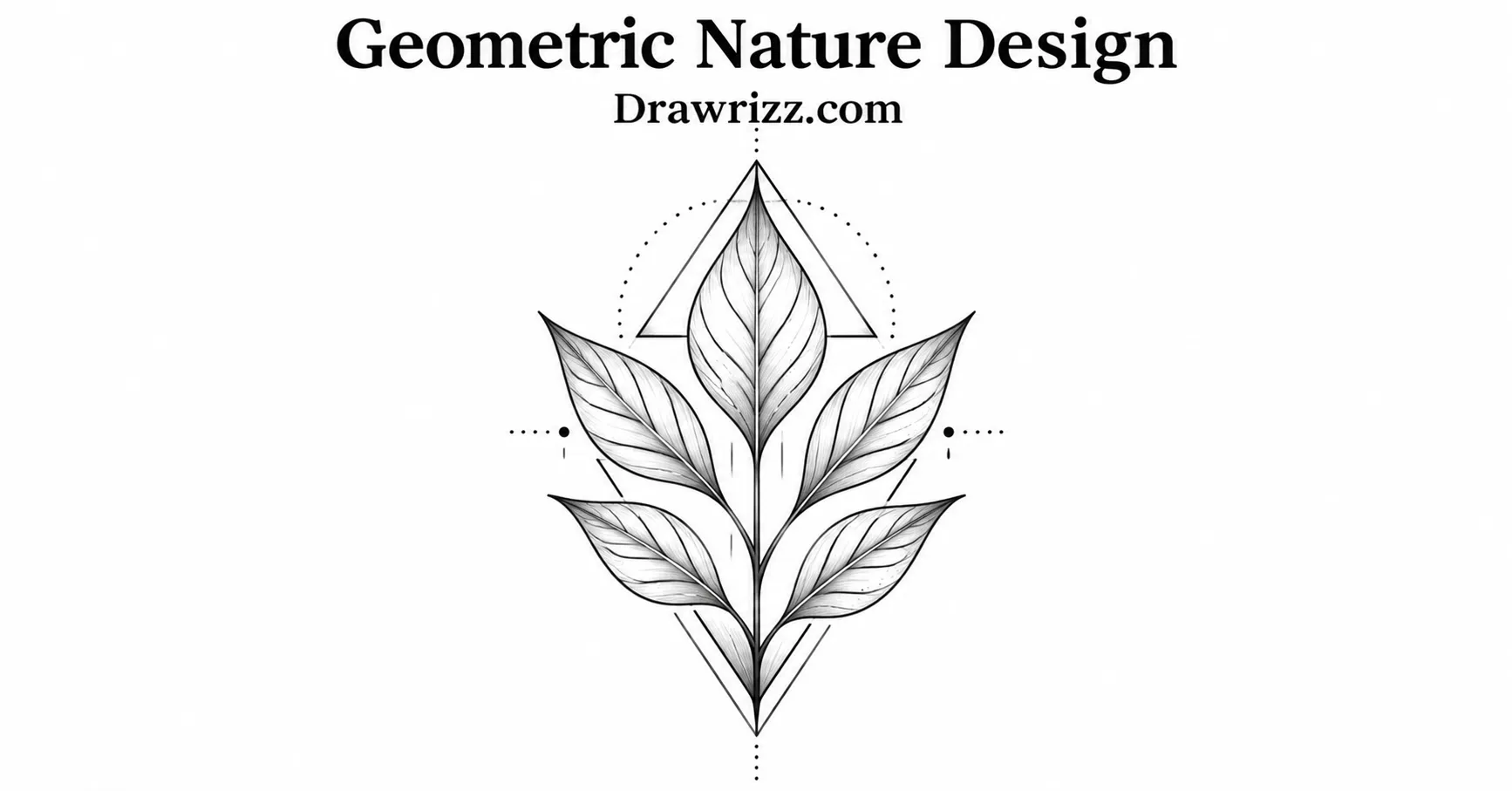
Combine an organic silhouette with straight lines and angular sections. The contrast between natural curves and geometric details gives the sketch a contemporary look.
23. Black-and-White Silhouette
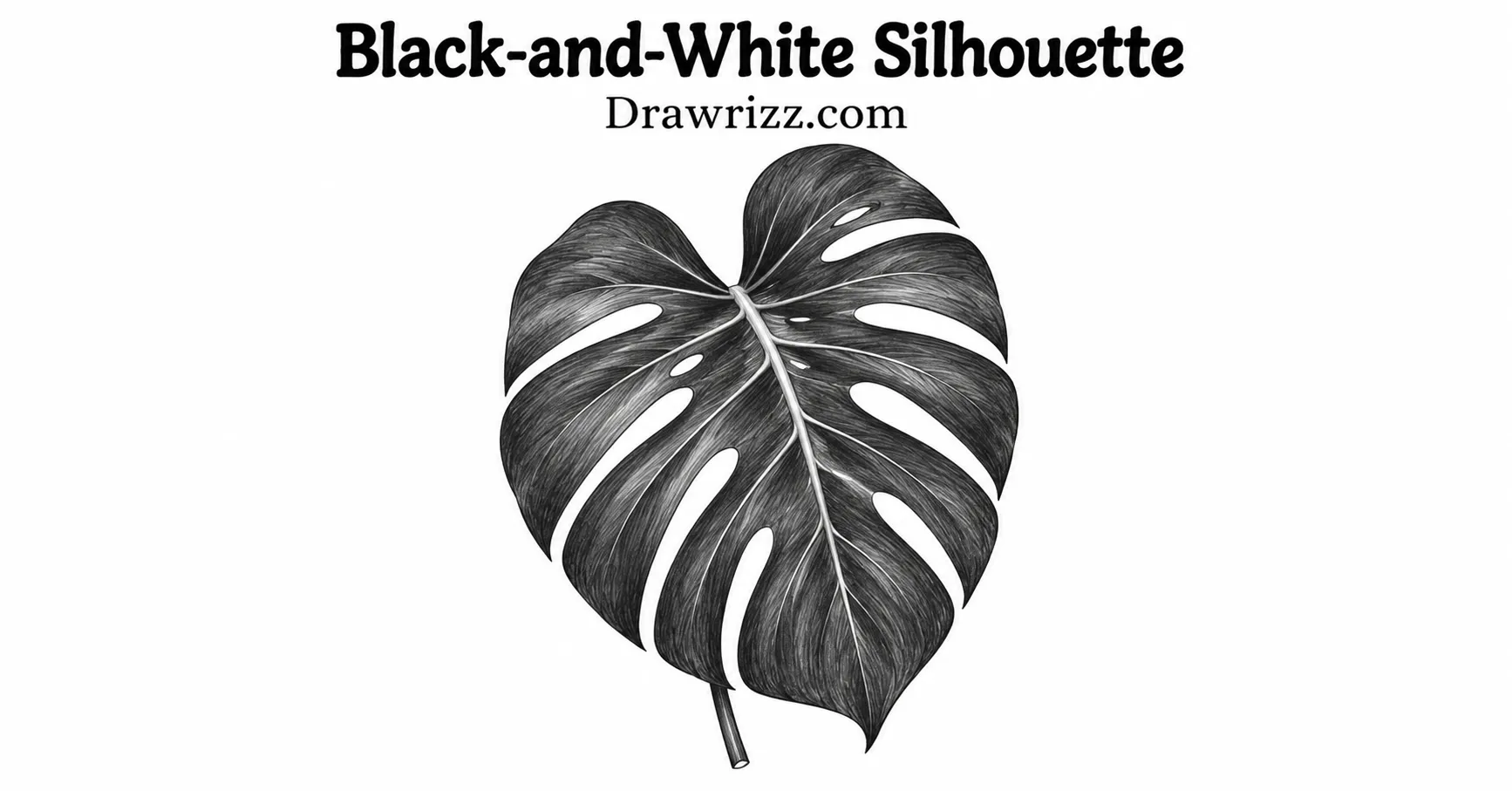
Fill the main shape with rich graphite while leaving selected vein lines lighter. This reversal of the usual outline approach creates a bold sketch with strong contrast.
24. Soft Shaded Study

Keep the outline light and gradually shade from one side toward the other. Follow the natural direction of the veins so the graphite helps describe the surface rather than appearing flat.
25. Ginkgo Fan Shape
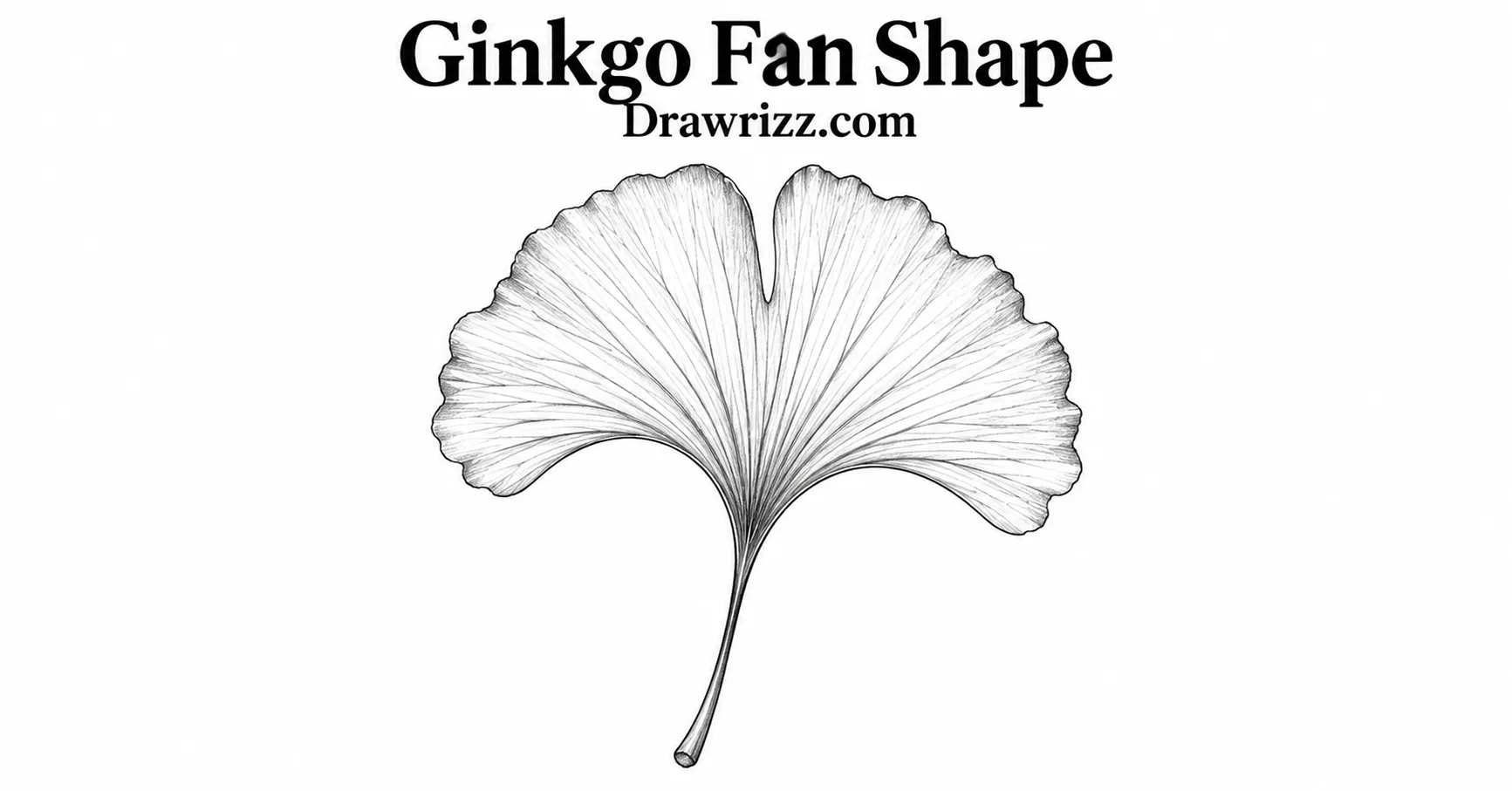
Create a slender stem that opens into a broad fan with softly rippled edges. Fine lines radiating outward from the base can emphasize its distinctive structure.
26. Ivy Vine
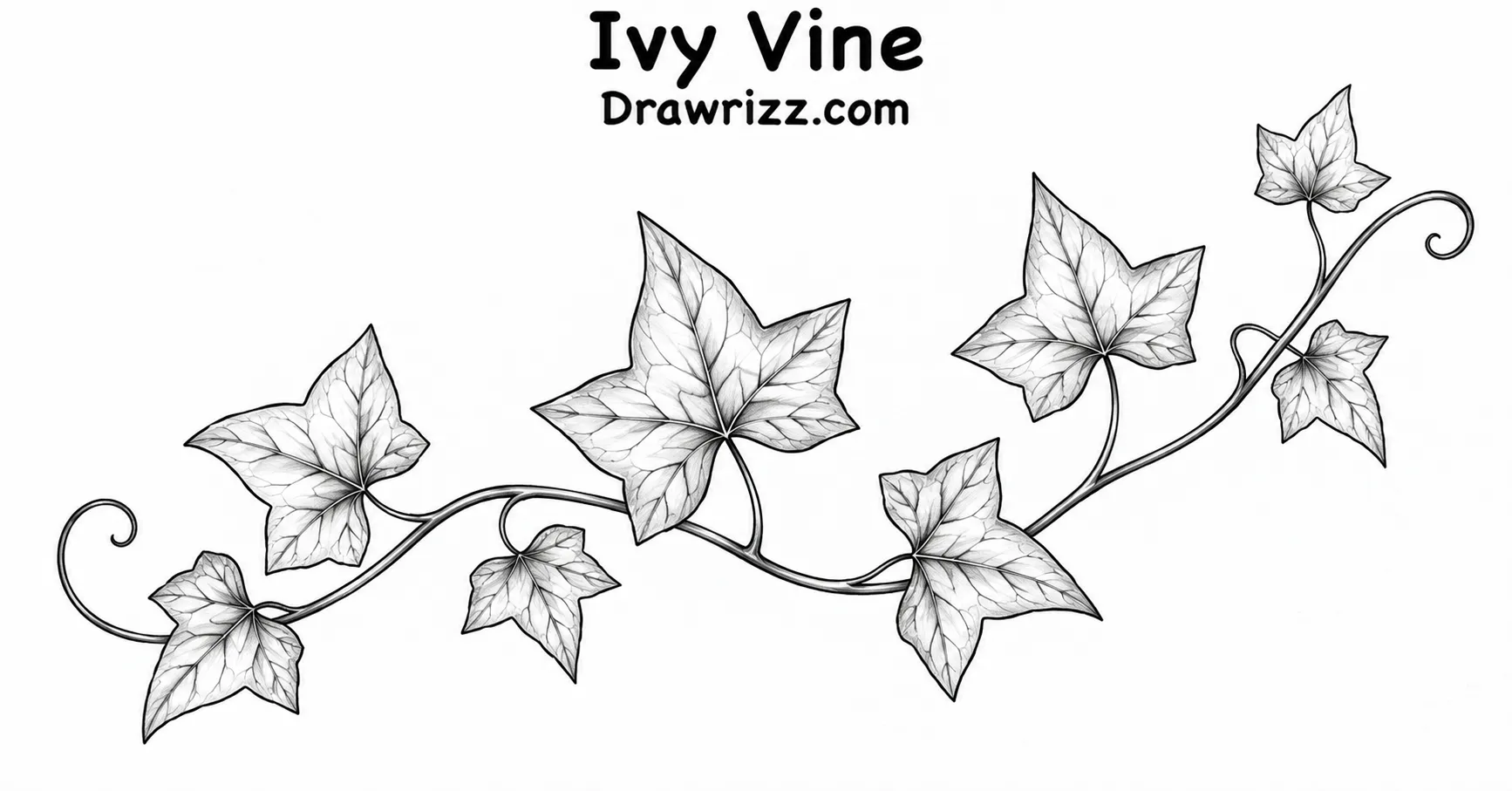
Draw a long curling vine and attach several pointed, lobed forms along its path. Let the stem change direction naturally to create a sense of movement.
27. Clover Trio
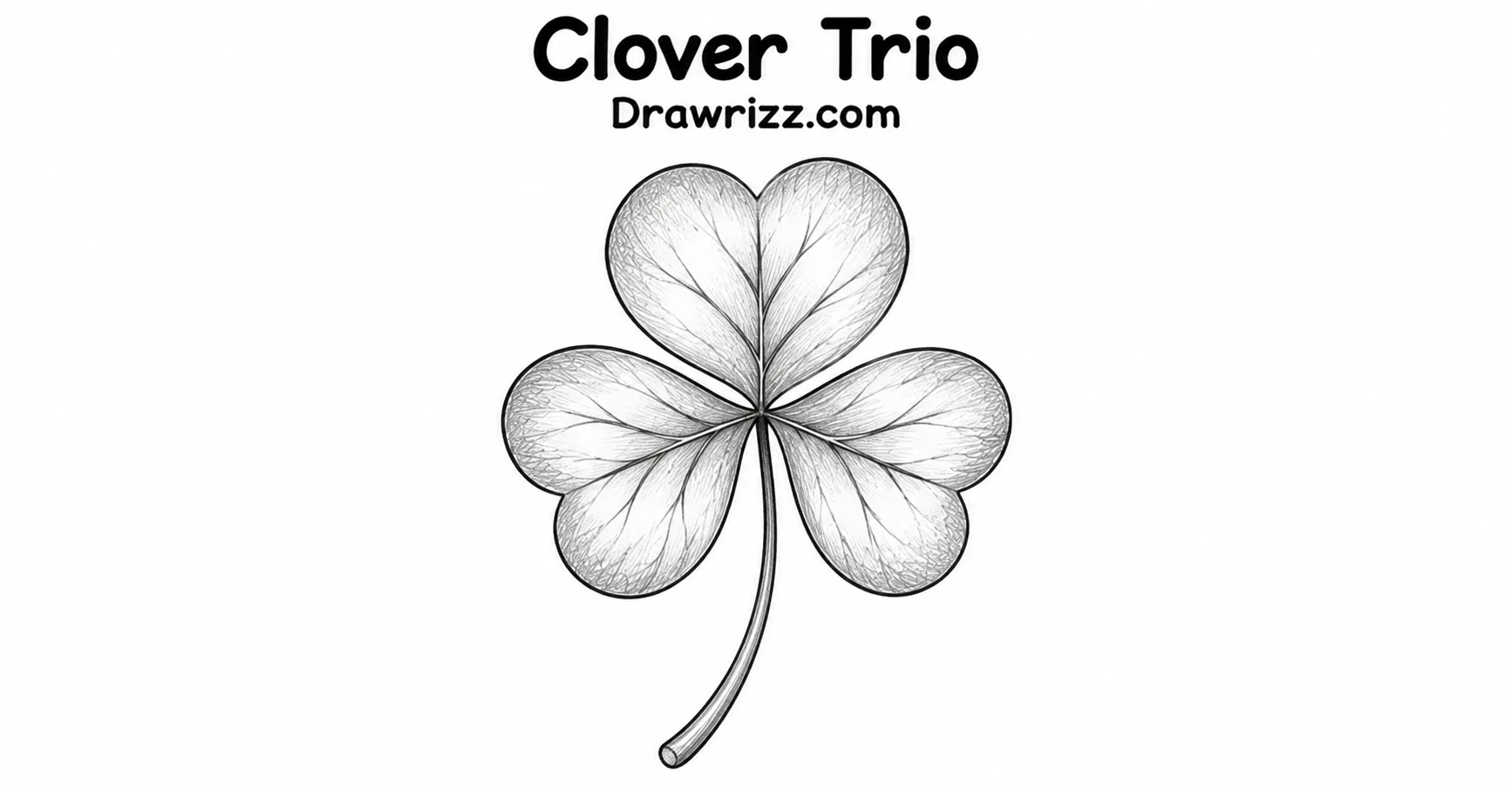
Arrange three rounded heart-like sections around a small center point. Add a thin stem and very subtle inner details for a simple nature-themed sketch.
28. Four-Part Lucky Clover
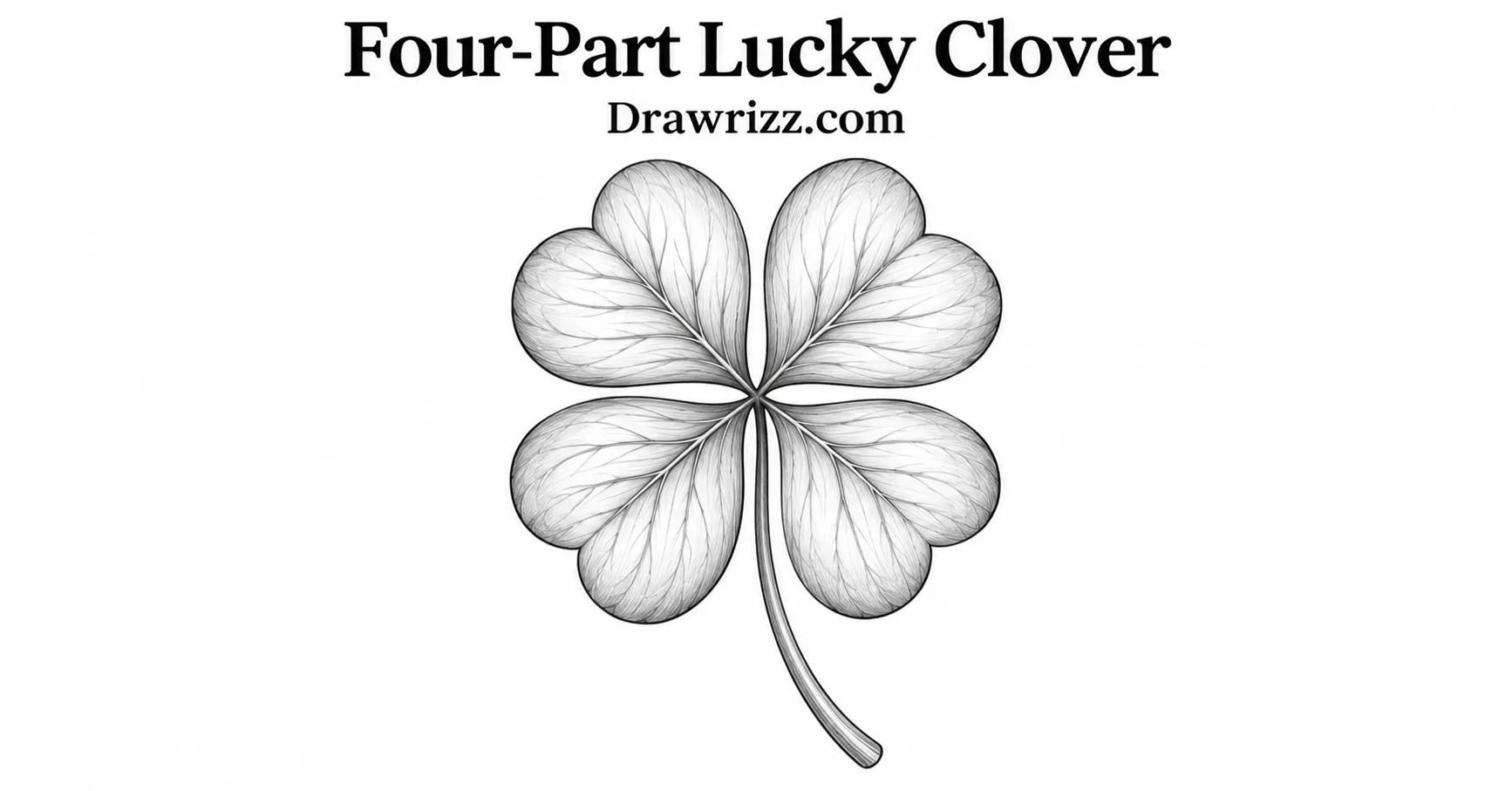
Add one more rounded section to the previous concept and slightly rotate each part around the center. Keep the shapes imperfect so the finished sketch still feels natural.
29. Tropical Palm Frond
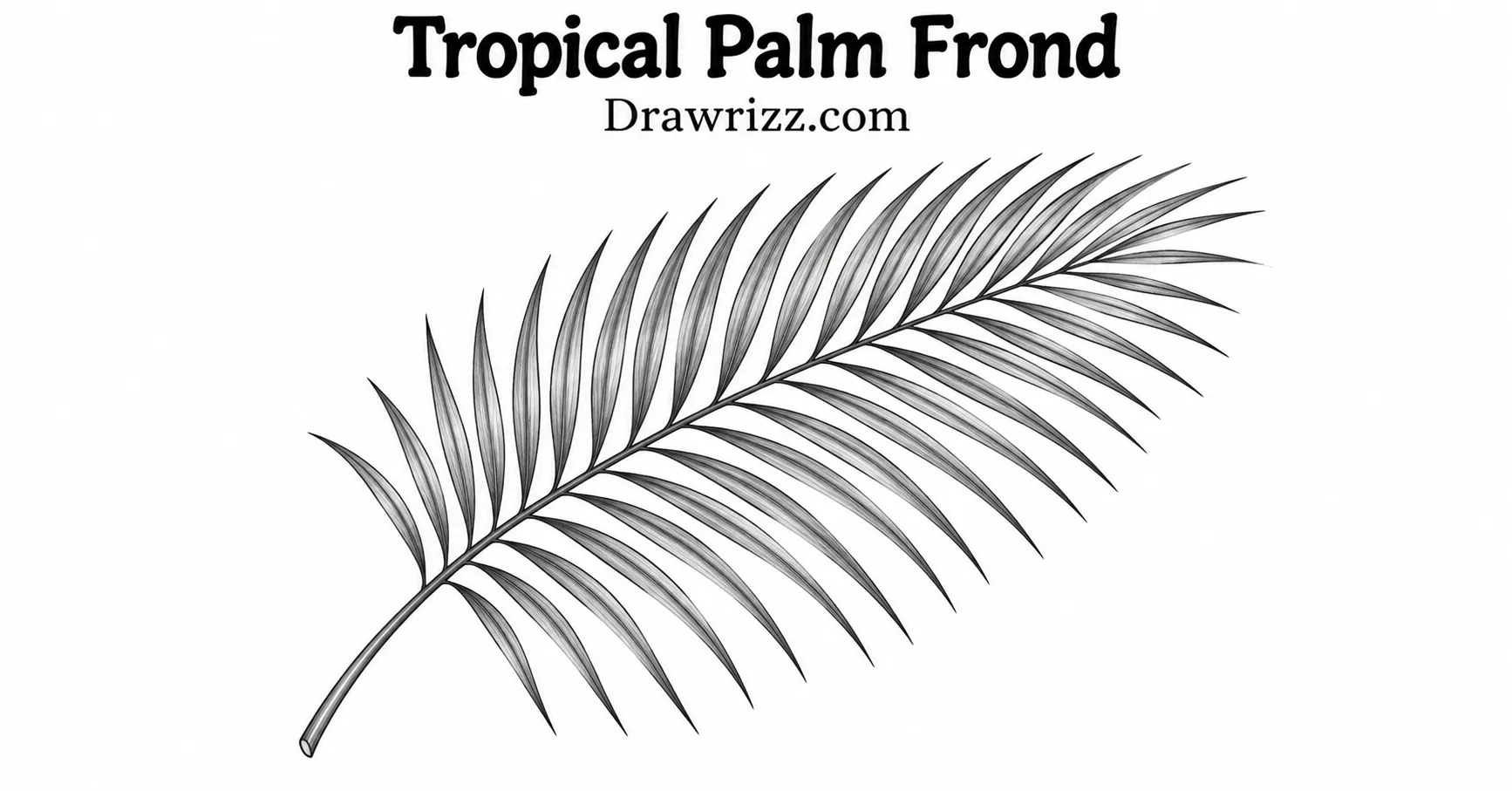
Use a long curved spine and attach narrow pointed segments along both sides. Let the individual sections bend slightly downward to create a relaxed tropical appearance.
30. Banana Plant Study
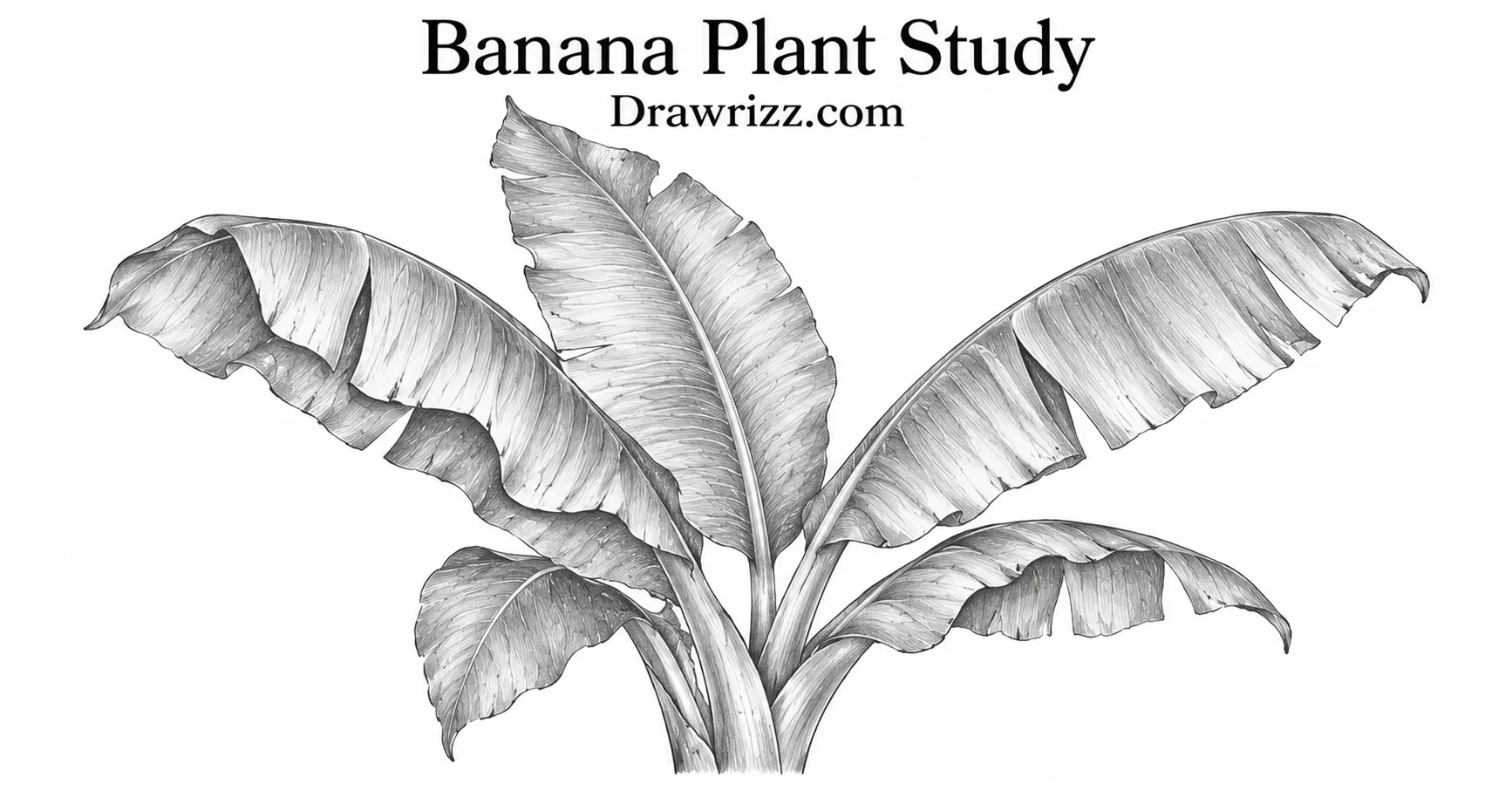
Create a large elongated form with a thick central midrib. Add a few natural tears along the outer edge and parallel vein lines to capture the dramatic appearance of tropical foliage.
31. Tiny Journal Doodles
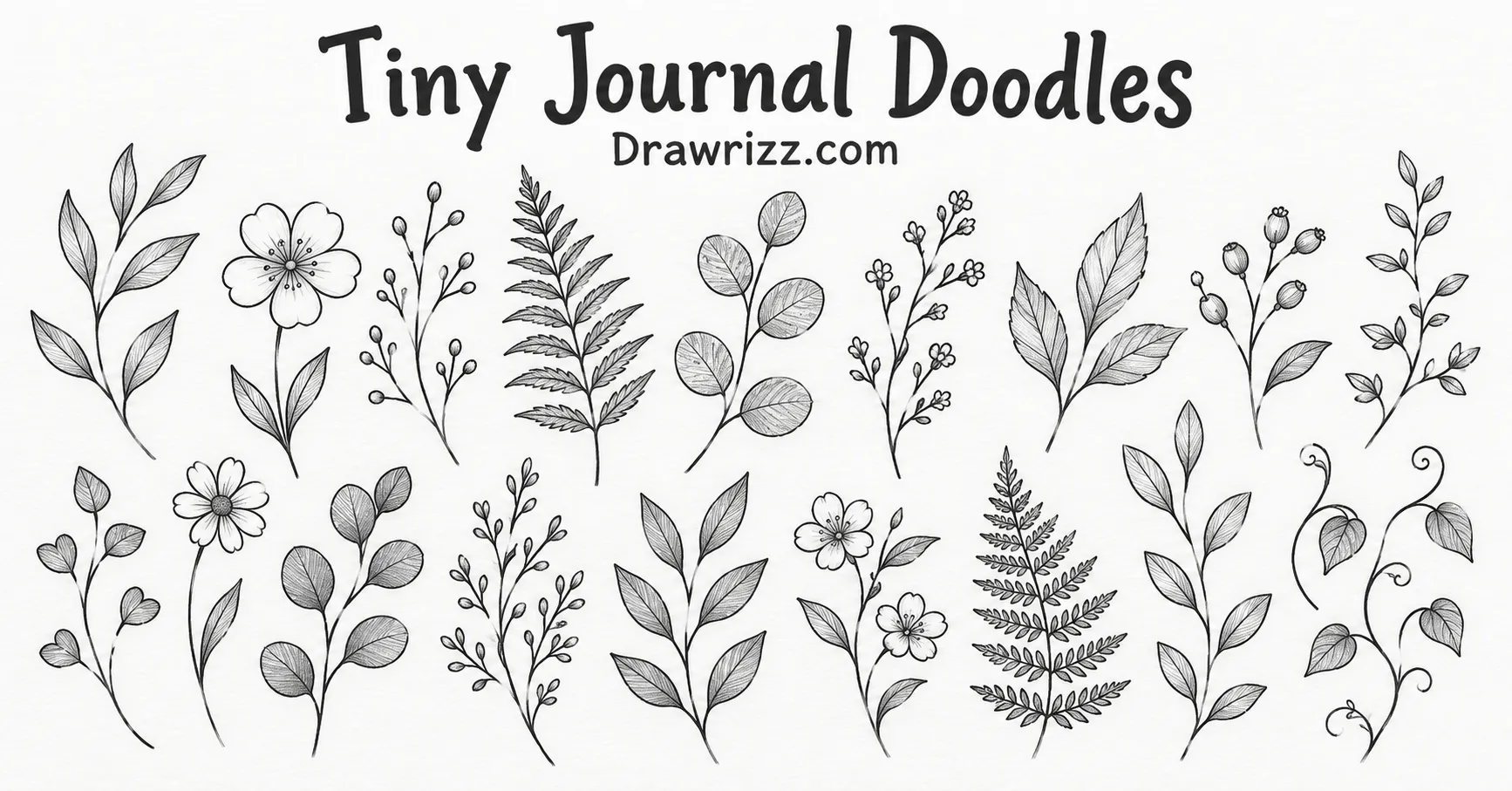
Fill a small arrangement with miniature botanical symbols in several different silhouettes. Keep them quick, clean, and simple enough to recreate inside a planner or bullet journal.
32. Botanical Border
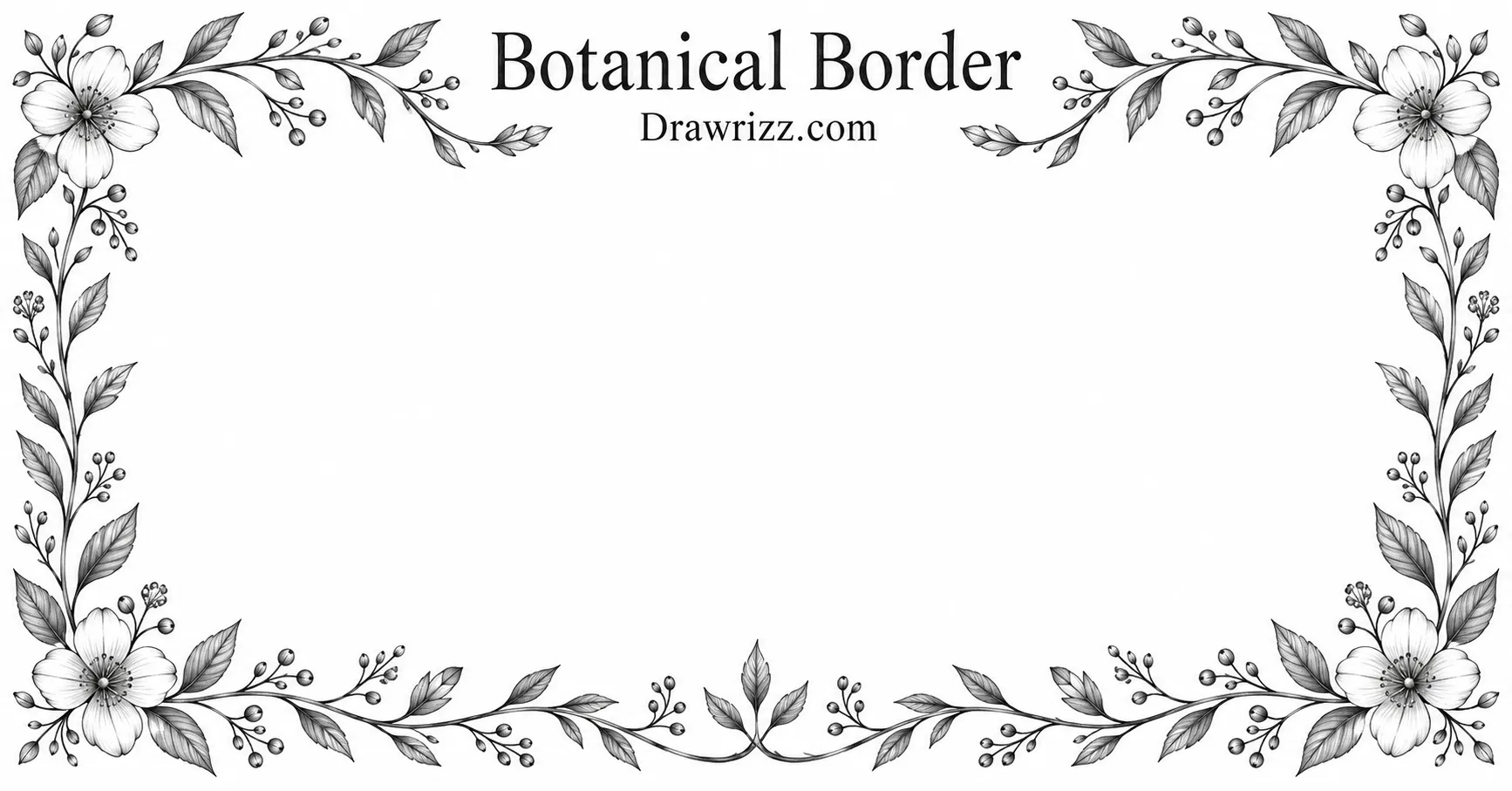
Arrange small stems and foliage along one side or around the corners of a page. Keep the center empty so the design could work around journal notes, a quote, or decorative lettering.
33. Nature Mandala
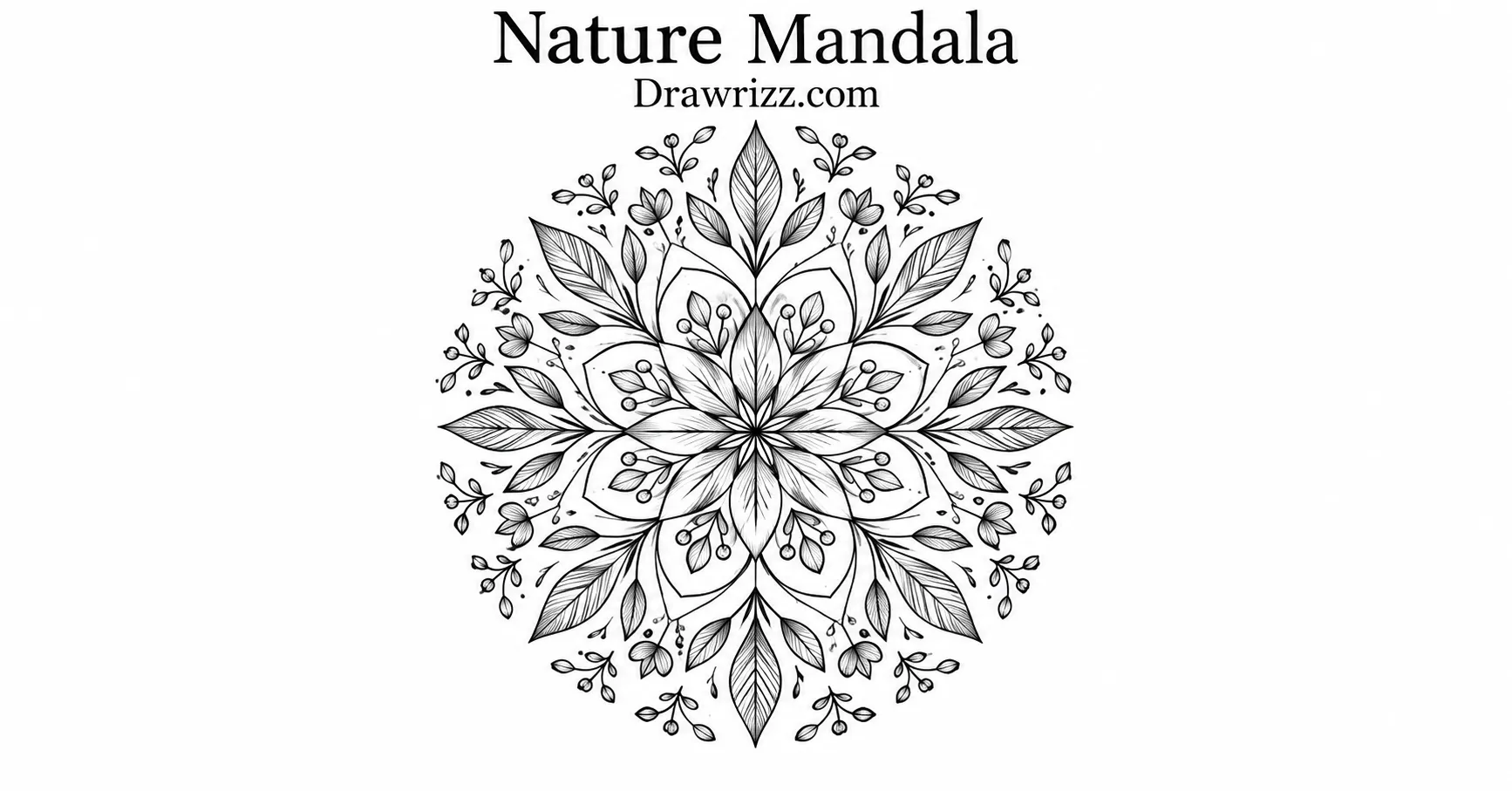
Arrange small botanical shapes radially around a central point. Repeat the forms in rings while changing their size and orientation to create an organic mandala composition.
34. Floating Botanical Composition
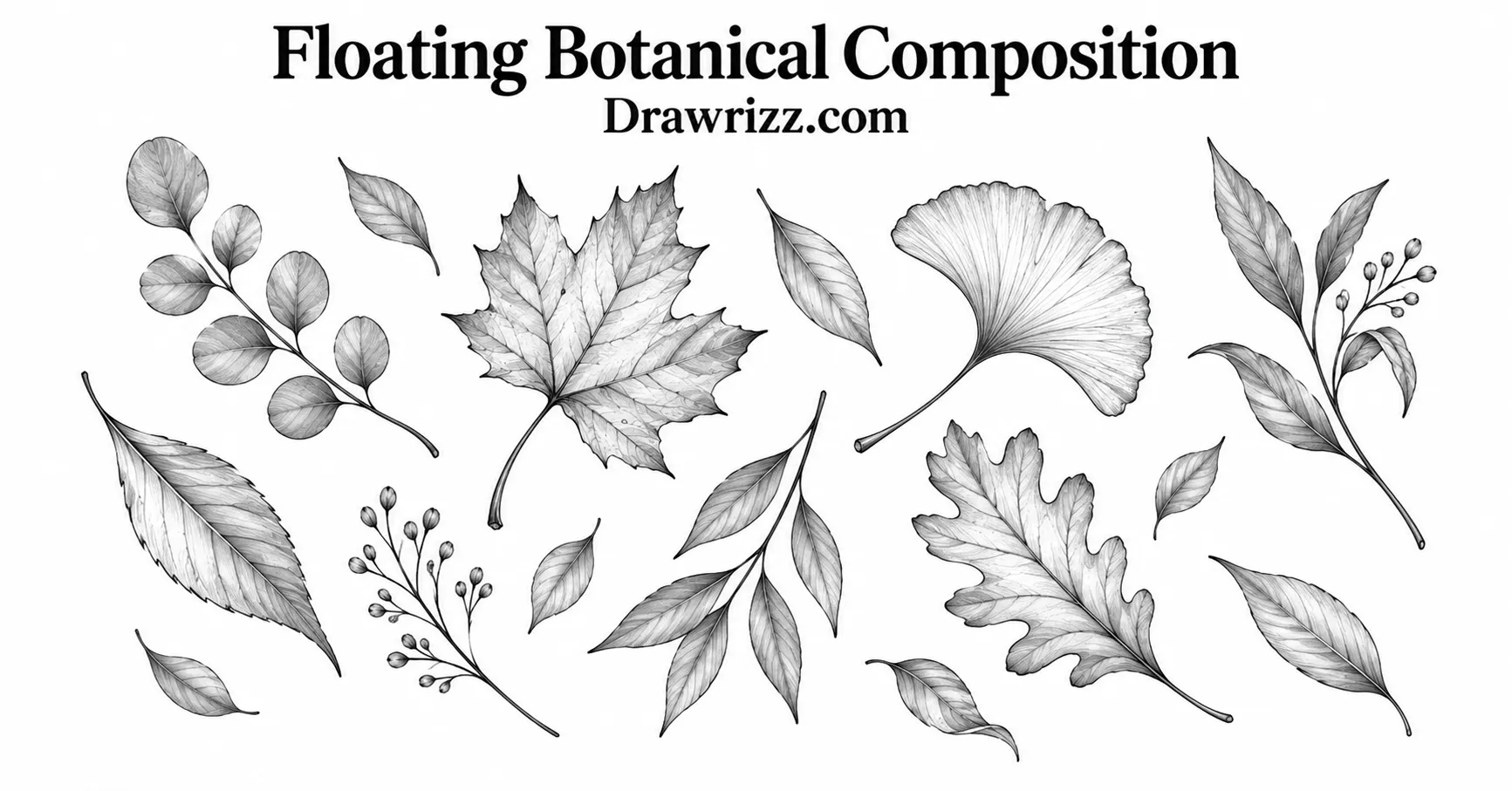
Scatter several different forms across the page as though they are gently drifting downward. Rotate each one differently and vary the size to give the composition natural movement.
35. Botanical Sketchbook Collection
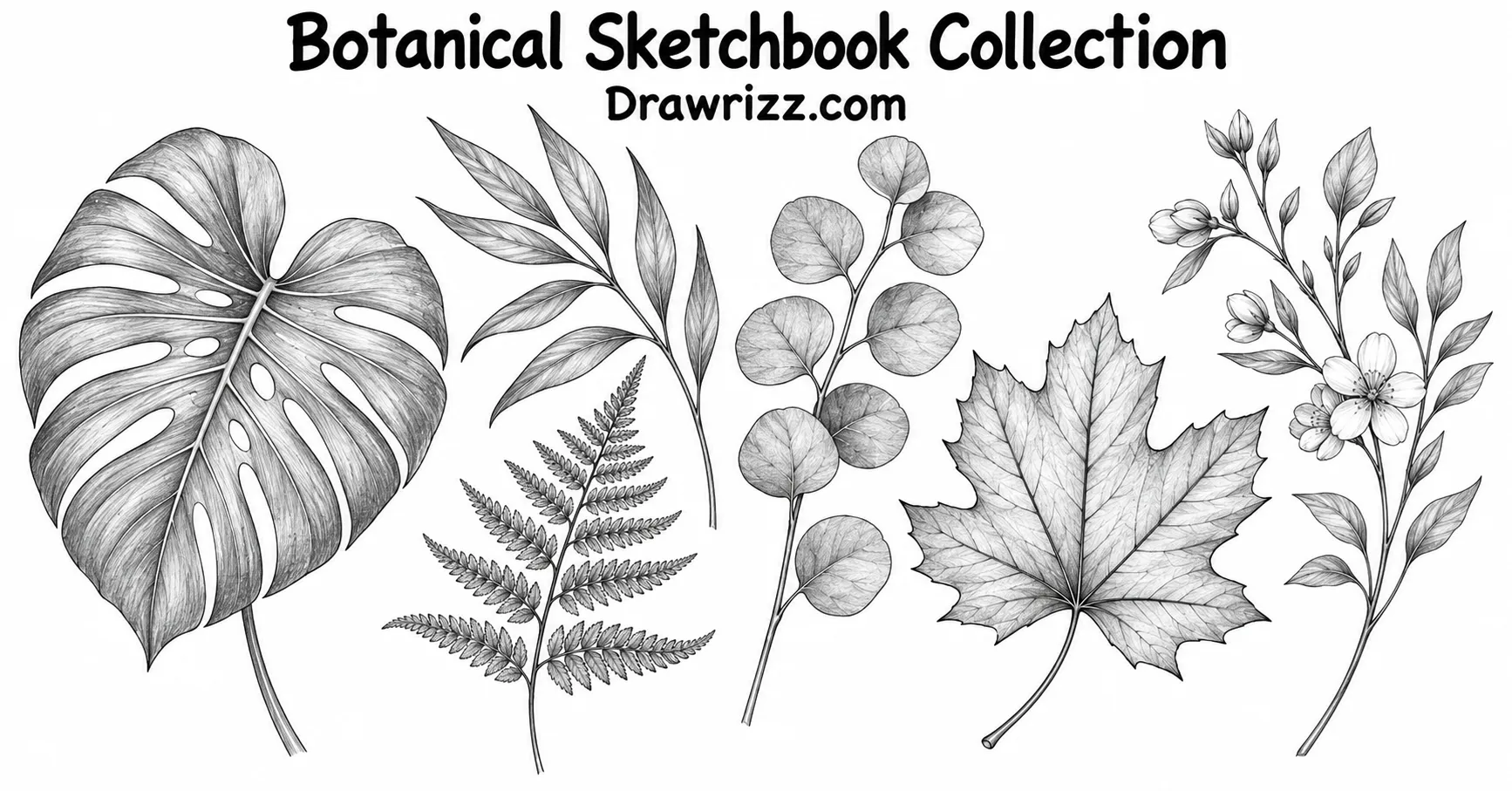
Finish with a study page featuring several contrasting forms together. Combine broad tropical shapes, narrow foliage, rounded specimens, a small fern, and a branching sprig to create a page that feels like an artist’s nature journal.
Simple Tips for Better Botanical Sketches
Natural subjects rarely need perfect symmetry. A slight bend in the stem, an uneven edge, or one side being wider than the other can make your artwork feel more convincing. Begin with light pencil pressure so you can adjust the silhouette before committing to darker lines.
Pay attention to the direction of the veins as well. They usually follow the overall structure instead of appearing as random straight marks. For realistic work, build shadows gradually and preserve lighter areas rather than covering the entire surface with heavy graphite.
You can also experiment with different styles in the same sketchbook. Try a minimal outline on one page, detailed pencil shading on another, and decorative pattern art on the next. This keeps practice varied while helping you discover which approach you enjoy most.
Final Thoughts
These Leaf Drawing Ideas show how much variety can come from a simple nature-inspired subject. You can practice clean outlines, tropical forms, autumn textures, botanical branches, decorative patterns, realistic shading, or tiny journal doodles without needing complicated materials. Pick one concept that matches your current skill level, keep your first lines light, and gradually develop your own botanical drawing style.